

Emergency & Help
24/7 Emergency & General Advisory
🚨 24/7 Medical Emergency
Non-Emergency Advisory
10:00 AM – 6:00 PM, Mon–Sat
For appointments & general queries.
24/7 Emergency & General Advisory
🚨 24/7 Medical Emergency
Non-Emergency Advisory
10:00 AM – 6:00 PM, Mon–Sat
For appointments & general queries.
Experiencing digestive upset after exercise? Learn the common causes of post-workout diarrhea and discover practical tips for prevention and management to keep you comfortable and focused on your fitness goals.
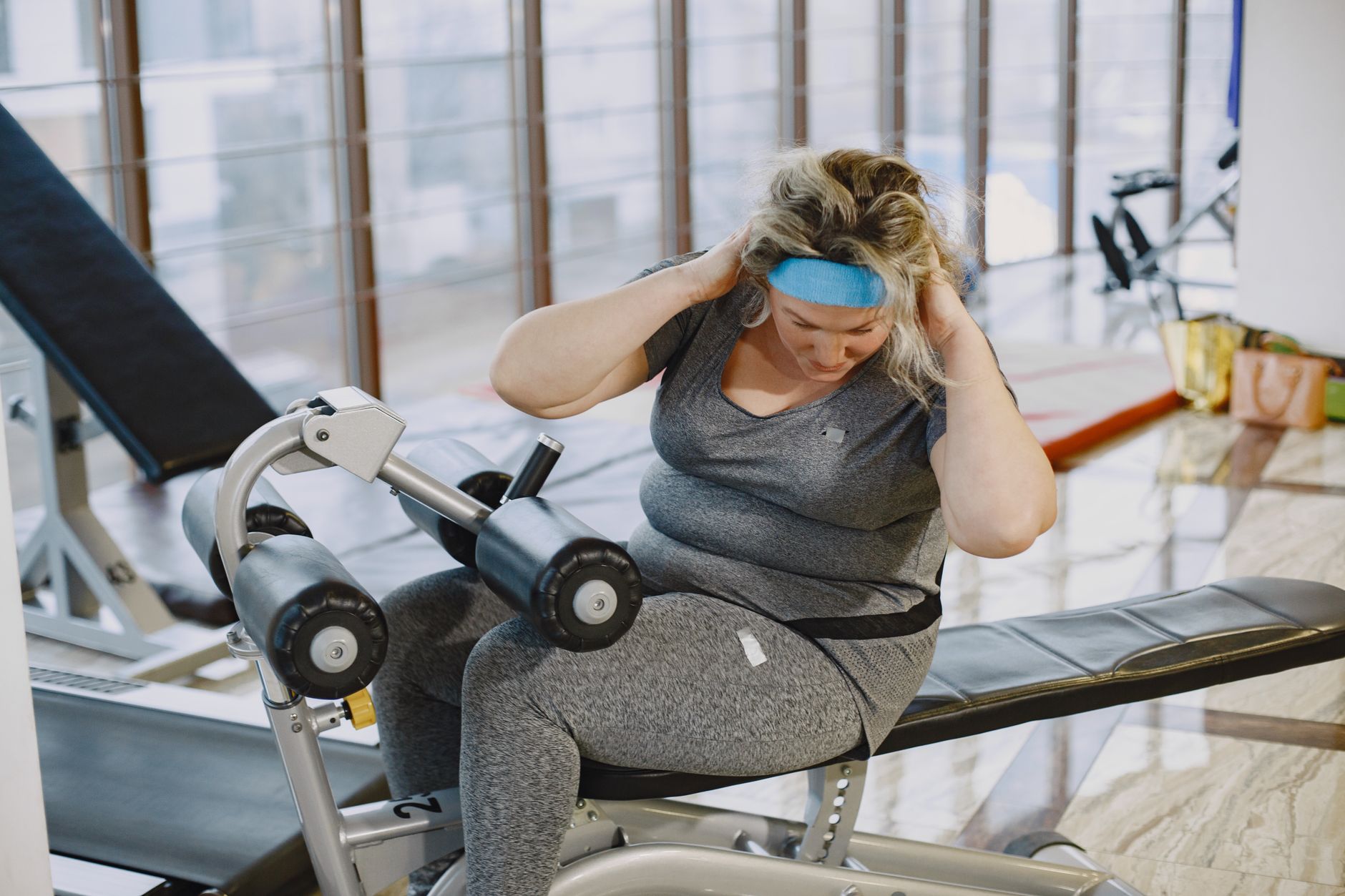
Feeling the urge to hit the restroom right after a strenuous workout? You're not alone. Many fitness enthusiasts, especially those who engage in long-distance running or intense training sessions, experience digestive upset, commonly known as exercise-induced diarrhea. While it might be embarrassing or inconvenient, understanding why it happens is the first step towards managing it effectively. This guide will walk you through the causes, symptoms, and practical strategies to prevent and treat this common workout side effect.
Diarrhea after exercise is a real phenomenon, and it's more common than you might think. It can occur during or immediately after your workout. The intensity and duration of your exercise play a significant role. People who participate in marathons, cycling for extended periods, or even engage in vigorous activities like aerobics often report experiencing this issue.
Besides the obvious symptom of loose, watery stools, you might also experience:
Several physiological factors contribute to post-workout diarrhea:
During intense exercise, your body prioritizes sending blood to your working muscles and lungs. This redirection of blood flow means less blood is available for your digestive organs. This reduction can slow down digestion and absorption, leading to issues.
Exercise can trigger the release of certain hormones, like adrenaline. These hormonal shifts can sometimes stimulate your bowels, leading to a more urgent need to defecate.
The repetitive, jarring motions involved in activities like running or jumping can physically agitate your digestive tract. Think of it like a vigorous shake-up for your intestines! This jostling can speed up the passage of food and waste, reducing the time for water absorption in your colon, resulting in looser stools.
What and when you eat before exercising significantly impacts your digestive system. Eating too close to your workout, especially foods high in fat, fiber, or spice, can be a major trigger. Your digestive system is still working hard to break down that food when you start exercising, adding to the burden.
Certain exercises that heavily engage your abdominal muscles, such as intense core workouts, can put direct pressure on your digestive organs. This pressure can sometimes lead to cramping and the urge to have a bowel movement.
Imagine Priya, a passionate runner preparing for her first half-marathon. She diligently follows her training plan. However, on her longer runs, she invariably experiences an urgent need to find a restroom halfway through. This often leaves her anxious and disrupts her pace, making her worry about her upcoming race day.
The good news is that you can take steps to minimize or even prevent this uncomfortable side effect.
Timing is everything. Avoid eating a large meal for at least 2 to 3 hours before your workout. If you need a snack, opt for something light and easily digestible about 1 to 2 hours beforehand. Good choices include a banana, a small bowl of oatmeal, or a piece of toast.
Avoid trigger foods. Steer clear of spicy, fatty, or high-fiber foods in the hours leading up to your exercise. These can be harder to digest and more likely to cause issues.
Dehydration can worsen digestive problems. Ensure you drink enough fluids throughout the day, especially before, during, and after your workout. Water is best, but electrolyte-rich drinks like coconut water or diluted fruit juices can also help replenish lost fluids and minerals.
If you're new to exercise or increasing your training load, do so gradually. This allows your digestive system time to adapt to the increased physical demands.
If you find that direct abdominal exercises trigger symptoms, try incorporating periods of rest or relaxation between sets. Also, consider performing these workouts at a different time than your main cardio sessions if possible.
Some research suggests that probiotics, which promote healthy gut bacteria, might help improve digestive regularity. Including probiotic-rich foods like yogurt, kefir, or sauerkraut in your diet, or considering a supplement, could be beneficial.
If you experience diarrhea, focus on foods that are gentle on your stomach.
This classic diet is often recommended for digestive upset:
Important: Replenish lost fluids and electrolytes. Sip on water, clear broths, or oral rehydration solutions.
While exercise-induced diarrhea is usually harmless and resolves on its own, there are times when you should seek medical advice:
These symptoms could indicate an underlying condition that requires medical attention.
Women who are pregnant may experience increased digestive issues, including diarrhea, especially as their due date approaches. Exercise can sometimes exacerbate these symptoms. If you are pregnant and experiencing diarrhea related to exercise, it's crucial to stay well-hydrated and consult your doctor about modifying your workout routine and managing your symptoms safely.
Q1: Is it normal to have diarrhea after a workout?
Yes, it's quite common, especially after intense or long-duration exercises, and usually not a cause for concern.
Q2: Can I still exercise if I have diarrhea?
If your diarrhea is mild and you feel up to it, light to moderate exercise might be okay. However, listen to your body. If you feel weak, dehydrated, or have significant cramping, it's best to rest.
Q3: How long does exercise-induced diarrhea usually last?
It typically resolves on its own within a few hours to a day after you stop exercising and rehydrate.
Q4: Are there any supplements that can help?
Probiotic supplements may help some individuals by supporting gut health, but it's best to discuss this with your doctor.
Disclaimer: This information is for general knowledge and informational purposes only, and does not constitute medical advice. It is essential to consult with a qualified healthcare professional for any health concerns or before making any decisions related to your health or treatment.
Visit Hospital
Near You

Explore safe and effective skin glow treatment in Kolkata. Learn about popular procedures, benefits, costs, and skincare tips from experts.
May 20, 2026
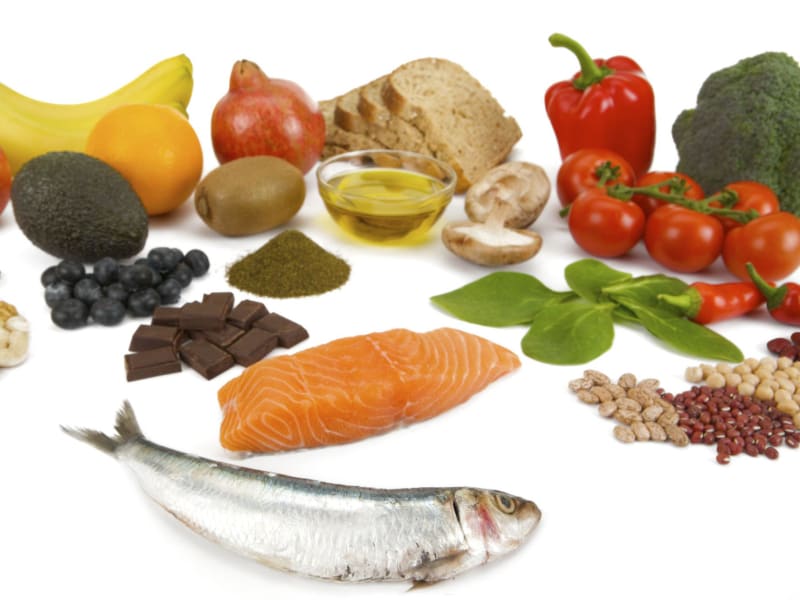
The superfood label is a marketing construct — but that doesn't mean all the foods wearing it are frauds. Some genuinely deserve the designation based on density of nutrients and breadth of evidence; others are expensive substitutes for far cheaper alternatives. Here's the honest breakdown.
April 14, 2026
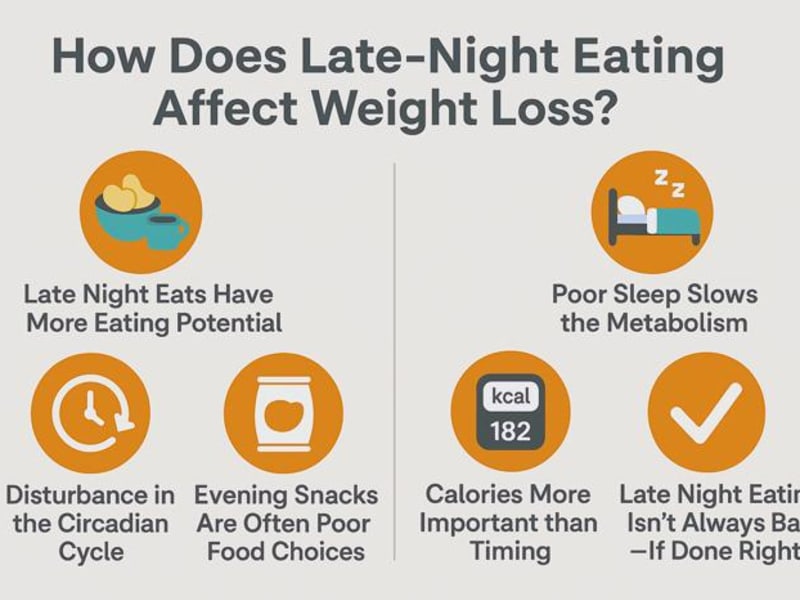
The belief that eating after 8pm automatically causes weight gain is pervasive — but the reality is more nuanced. Circadian biology, food choices, and total caloric intake all interact in ways that make the question far more interesting than a simple yes or no.
April 14, 2026