

Emergency & Help
24/7 Emergency & General Advisory
🚨 24/7 Medical Emergency
Non-Emergency Advisory
10:00 AM – 6:00 PM, Mon–Sat
For appointments & general queries.
24/7 Emergency & General Advisory
🚨 24/7 Medical Emergency
Non-Emergency Advisory
10:00 AM – 6:00 PM, Mon–Sat
For appointments & general queries.
Discover essential cooldown exercises and their importance for recovery after any workout. Learn practical stretches suitable for an Indian audience to prevent injury and enhance fitness.

After a fantastic workout, whether it's a brisk walk in the park, a rigorous cricket practice, or a calming yoga session, the urge to immediately head home or grab a snack can be strong. However, pausing for a cooldown is just as vital as the workout itself. In India, where physical activity often involves dynamic movements and diverse terrains, understanding and implementing proper cooldown techniques can significantly enhance your recovery, prevent injuries, and make your fitness journey more sustainable and enjoyable. This guide will walk you through why cooling down matters and provide practical exercises suitable for everyone, from athletes to everyday fitness enthusiasts.
Think of your body like a finely tuned machine. During exercise, your heart rate, blood pressure, and body temperature rise. A sudden stop can leave your body in a state of shock, leading to dizziness, muscle cramps, and even increased risk of injury. A cooldown acts as a gradual transition, helping your body to:
The American Heart Association recommends dedicating 5 to 10 minutes to cooling down. This period is essential for bringing your body back to its resting state safely and effectively. It’s not just about stretching; it can also include light aerobic activity to gradually decrease intensity.
A typical cooldown routine combines light aerobic activity with static stretching. Static stretching involves holding a stretch for a period, usually between 10 to 30 seconds, while breathing deeply. Deep breaths are your allies here; they help deliver oxygen to your muscles, release built-up tension, and promote a sense of calm and relaxation.
Here’s a general structure:
A Real-Life Scenario: Ravi just finished his weekly 5km run around the local park in Delhi. He’s feeling good but notices his hamstrings are tight. Instead of collapsing on the nearest bench or rushing home, he decides to spend 7 minutes doing a few simple stretches. He walks slowly for 3 minutes, then performs hamstring and calf stretches for another 4 minutes. By the time he gets home, he feels much more relaxed and less stiff than usual.
These exercises can be done seated, standing, or lying down, using just your body weight. Focus on controlled movements and listen to your body.
These are perfect after activities like running, cycling, cricket, or any workout that engages your legs.
How to do it: Sit on the floor with your legs extended straight in front of you. Keep your back straight. Gently hinge at your hips and reach towards your toes. You can place your hands on your legs or the floor beside you. Hold for 20-30 seconds. Repeat 2-3 times.
How to do it: Sit on the floor and bring the soles of your feet together, letting your knees fall out to the sides. Hold your ankles or feet. Keep your spine straight. Gently hinge at your hips and lean forward to feel a stretch in your inner thighs and groin. Hold for 20-30 seconds. Repeat 2-3 times.
How to do it: Stand tall. Bend your right knee and bring your heel towards your buttock. Hold your ankle with one or both hands. Keep your knees aligned and close together. You should feel a stretch in the front of your thigh. Hold for 20-30 seconds. Repeat on the other leg. Do 2-3 repetitions per leg.
How to do it: Stand facing a wall, about an arm's length away. Place your hands on the wall for support. Step your right foot back, keeping your leg straight and heel pressed firmly to the floor. Bend your front (left) knee. You should feel a stretch in your right calf. Hold for 20-30 seconds. Repeat on the other leg. Perform 2-3 sets per leg.
These stretches help release tension across your back, shoulders, and chest.
How to do it: Start on your hands and knees (tabletop position). Tuck your toes under and lift your hips up and back, forming an inverted V shape. Keep your spine straight and try to press your heels towards the floor (they don't need to touch). Pedal out your legs by bending one knee and then the other. Hold for 30-60 seconds, breathing deeply.
How to do it: Sit with your left leg extended. Place the sole of your right foot against your inner left thigh. Raise your arms overhead, then hinge at your hips and fold forward over your left leg. Reach for your leg, ankle, or foot. Hold for 20-30 seconds. Repeat on the other side. Perform 2-3 sets per leg.
How to do it: Stand with your feet hip-width apart. Slowly hinge at your hips and bend forward. Keep a slight bend in your knees. Let your head and neck relax. You can let your arms hang, hold opposite elbows, or clasp your hands behind your back. Hold for 30-60 seconds. For a modified stretch, place your hands on blocks or a sturdy object if you can't reach the floor.
How to do it: Sit with your right side against a wall. Lie down on your back and swing your legs up the wall, resting them against it. Adjust your hips so they are close to the wall or a few inches away. Relax your arms by your sides. This gentle inversion can be very restorative. Hold for 1 to 5 minutes.
While cooldown exercises are generally safe, it's important to listen to your body. Consult a doctor or a physiotherapist if you experience any of the following:
A healthcare professional can provide personalized advice and ensure your cooldown routine is safe and effective for your specific needs.
Aim for 5 to 10 minutes. This usually includes a few minutes of light aerobic activity followed by static stretching.
While it might be tempting, skipping the cooldown increases your risk of injury and muscle soreness. Even a few minutes of gentle stretching can make a difference.
A cooldown is the entire process of gradually reducing exercise intensity, which often includes light cardio and static stretching. Stretching is a component of a cooldown, focusing on improving flexibility and muscle recovery.
Dynamic stretching is generally recommended before a workout to prepare your muscles, while static stretching is best done after a workout as part of your cooldown.
Ease the pressure immediately. Stretching should create a mild pull, not sharp pain. If pain persists, consult a healthcare professional.
Visit Hospital
Near You

Explore safe and effective skin glow treatment in Kolkata. Learn about popular procedures, benefits, costs, and skincare tips from experts.
May 20, 2026

The superfood label is a marketing construct — but that doesn't mean all the foods wearing it are frauds. Some genuinely deserve the designation based on density of nutrients and breadth of evidence; others are expensive substitutes for far cheaper alternatives. Here's the honest breakdown.
April 14, 2026
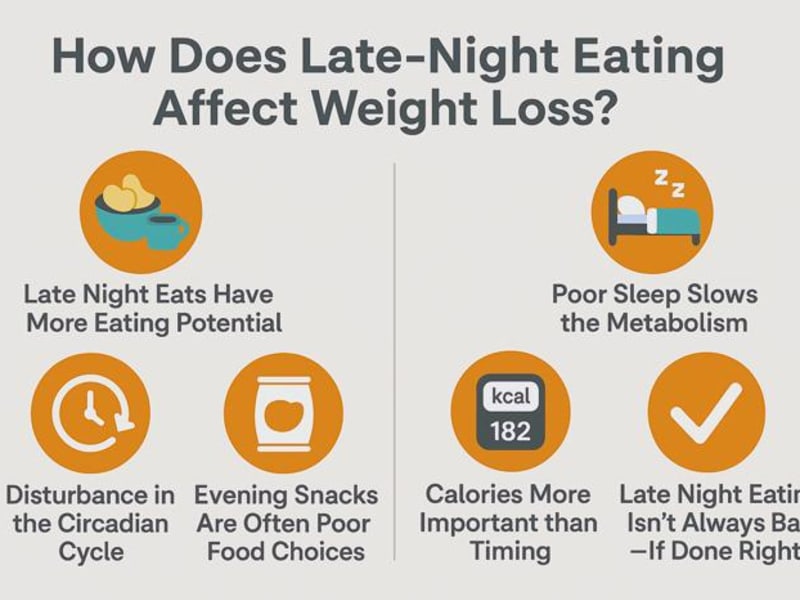
The belief that eating after 8pm automatically causes weight gain is pervasive — but the reality is more nuanced. Circadian biology, food choices, and total caloric intake all interact in ways that make the question far more interesting than a simple yes or no.
April 14, 2026