

Emergency & Help
24/7 Emergency & General Advisory
🚨 24/7 Medical Emergency
Non-Emergency Advisory
10:00 AM – 6:00 PM, Mon–Sat
For appointments & general queries.
24/7 Emergency & General Advisory
🚨 24/7 Medical Emergency
Non-Emergency Advisory
10:00 AM – 6:00 PM, Mon–Sat
For appointments & general queries.
Discover how to achieve your fitness goals with effective workouts under 20 minutes. Perfect for busy schedules, these routines boost metabolism, build strength, and improve health.

In today's fast-paced world, finding time for a lengthy workout can feel like a luxury. But what if we told you that you don't need hours in the gym to achieve your fitness goals? The good news is that short, intense workouts can be incredibly effective, whether you aim for weight loss, muscle toning, or simply want to get your heart pumping. This guide is packed with practical advice and inspiration to help you fit effective exercise into even the busiest schedules, focusing on workouts that take 20 minutes or less.
We understand that life in India often means juggling multiple responsibilities – work, family, social commitments, and more. A common scenario is a young professional, Priya, who starts her day at 6 AM to prepare lunch for her kids and then rushes to her office. By the time she gets home, she's exhausted, and the thought of a one-hour gym session seems impossible. This is where the magic of short workouts shines. A 15-minute burst of activity can make a significant difference to her energy levels and overall health.
The evidence is growing: short, high-intensity workouts can deliver substantial health benefits. They are fantastic for:
The beauty of short workouts is their versatility. You can tailor them to your goals and preferences:
HIIT involves short bursts of intense exercise followed by brief recovery periods. It's incredibly effective for fat burning and improving cardiovascular fitness.
You don't need fancy equipment to build strength. Your own body is a powerful tool!
Short, sharp cardio sessions can get your heart rate up quickly.
Don't forget to include stretching and mobility work. It's vital for preventing injuries and improving range of motion.
Perfect for when you're really pressed for time:
Consistency is key. Here’s how to make these short workouts a regular part of your life:
While short workouts are generally safe, it's always wise to consult your doctor before starting any new exercise program, especially if you have:
Your doctor can help you determine the safest and most effective exercises for your individual needs.
Yes, you can! While longer workouts might burn more calories in a single session, the consistency of short, intense workouts, combined with a healthy diet, can lead to significant weight loss over time. HIIT workouts, in particular, are very effective for fat burning.
You don't need any! Bodyweight exercises like squats, lunges, push-ups, planks, and cardio movements like jumping jacks and high knees require no equipment and are incredibly effective for a full-body workout.
Aim for consistency. Doing a short workout 5-6 days a week is often more beneficial than one long workout once a week. Listen to your body and include rest days as needed.
Many short workouts can be modified for seniors. Focus on low-impact exercises, ensure proper form, and always consult your doctor first. Workouts designed specifically for seniors often focus on balance, flexibility, and gentle strength building.
Most people do not notice early warning signs right away. That is common. A simple symptom diary, basic routine checks, and timely follow-up visits can prevent small problems from becoming serious.
If you are already on treatment, stay consistent with medicines and lifestyle advice. If your symptoms change, do not guess. Check with a qualified doctor and update your plan early.
Write down symptoms, triggers, and timing for a few days.
Carry old prescriptions and test reports to your consultation.
Ask clearly about side effects, red-flag signs, and follow-up dates.
Seek urgent care for severe pain, breathing trouble, bleeding, fainting, or sudden worsening.
Visit Hospital
Near You

Explore safe and effective skin glow treatment in Kolkata. Learn about popular procedures, benefits, costs, and skincare tips from experts.
May 20, 2026
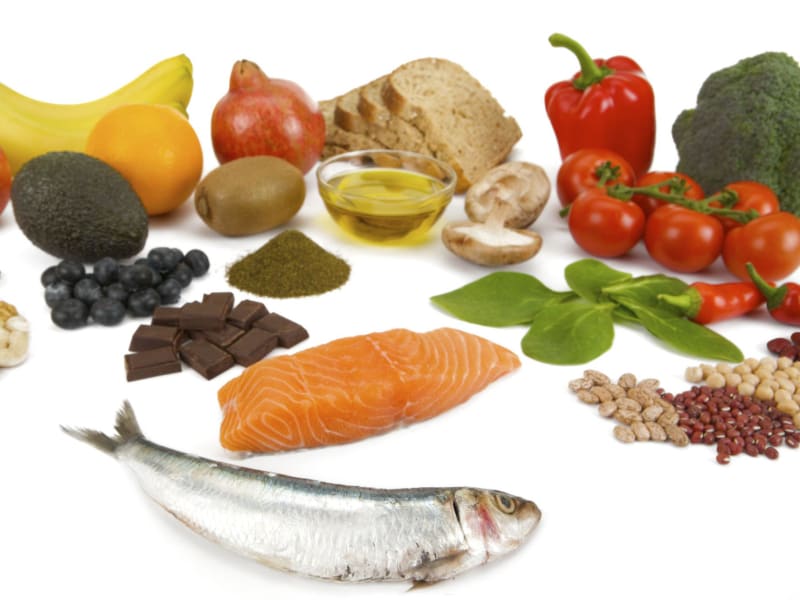
The superfood label is a marketing construct — but that doesn't mean all the foods wearing it are frauds. Some genuinely deserve the designation based on density of nutrients and breadth of evidence; others are expensive substitutes for far cheaper alternatives. Here's the honest breakdown.
April 14, 2026
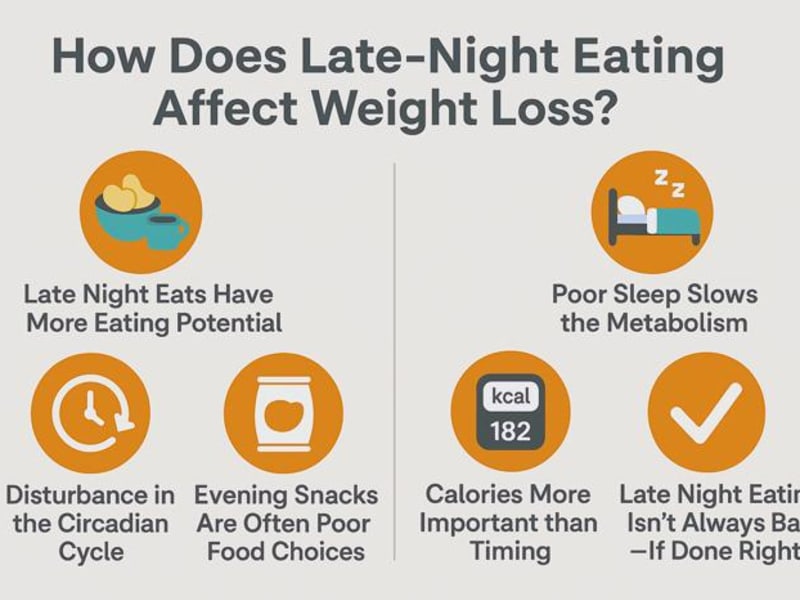
The belief that eating after 8pm automatically causes weight gain is pervasive — but the reality is more nuanced. Circadian biology, food choices, and total caloric intake all interact in ways that make the question far more interesting than a simple yes or no.
April 14, 2026