

Emergency & Help
24/7 Emergency & General Advisory
🚨 24/7 Medical Emergency
Non-Emergency Advisory
10:00 AM – 6:00 PM, Mon–Sat
For appointments & general queries.
24/7 Emergency & General Advisory
🚨 24/7 Medical Emergency
Non-Emergency Advisory
10:00 AM – 6:00 PM, Mon–Sat
For appointments & general queries.
Learn how to breathe effectively while running to improve your performance, reduce discomfort, and enjoy your runs more. Discover techniques like diaphragmatic breathing and rhythmic patterns.

Running is a fantastic way to boost your fitness, clear your mind, and enjoy the outdoors. However, many runners, especially beginners, find themselves struggling with their breath. That feeling of gasping for air, side stitches, and overall fatigue can quickly turn an enjoyable run into a difficult ordeal. The good news is that learning to breathe effectively while running is a skill you can develop. It’s not just about taking more breaths; it’s about taking *better* breaths. By understanding and applying a few simple techniques, you can significantly improve your running performance, reduce discomfort, and make your runs more sustainable and enjoyable. Why Proper Breathing Matters for Runners When you run, your body’s demand for oxygen skyrockets. Your muscles work harder, generating more energy, and this process requires a substantial supply of oxygen. Simultaneously, your body produces more carbon dioxide as a waste product, which needs to be efficiently expelled. Strenuous activities like running put a higher load on your respiratory system. If your breathing isn't efficient, you might experience symptoms like shortness of breath, a racing heart, chest tightness, or those dreaded side stitches. Learning to breathe correctly helps your body meet its oxygen needs, remove carbon dioxide effectively, and maintain a more comfortable pace. It’s about working *with* your body, not against it. Consider this common scenario: You start your run feeling good, but after just a few minutes, you’re panting heavily, unable to hold a conversation. You feel like you have to stop. This is a classic sign that your breathing isn't supporting your effort. Many runners think they just need to push harder, but often, the solution lies in adjusting how they breathe. A simple shift in technique can make a world of difference, allowing you to run longer and feel stronger. Understanding Your Breathing Options: Nose vs. Mouth One of the first questions many runners have is whether to breathe through their nose, mouth, or a combination of both. The answer often depends on the intensity of your run and your personal comfort. Nasal Breathing: Inhaling through your nose filters, warms, and humidifies the air before it reaches your lungs. This can be beneficial during slower, more relaxed runs or warm-ups, as it can help conserve energy and promote a calmer breathing pattern. However, for many, the nasal passages can’t supply enough oxygen during high-intensity efforts. Mouth Breathing: Exhaling through your mouth helps expel carbon dioxide more quickly. Inhaling through your mouth allows for a larger volume of air to enter your lungs rapidly. This is generally more efficient during vigorous runs or when you're pushing your pace. Mouth breathing can also help relax tension in your jaw and facial muscles, contributing to overall relaxation during a challenging run. Combination Breathing: Many runners find a mix works best. You might inhale through your nose and exhale through your mouth, or alternate between nasal and mouth breathing depending on your effort level. Experiment to see what feels most natural and effective for you. Practical Tip: If you're on a casual jog and can comfortably hold a conversation, try focusing on nasal breathing or a gentle inhale/exhale. If you're running intervals or trying to pick up the pace and find yourself struggling, don't hesitate to open your mouth to get more air in and out. Mastering Diaphragmatic Breathing (Belly Breathing) Diaphragmatic breathing, often called belly breathing, is fundamental to efficient respiration. Instead of shallow chest breaths, which use only a small portion of your lungs and can lead to tension, belly breathing engages your diaphragm – a large muscle at the base of your lungs. This allows for deeper inhalations, drawing more oxygen into your lungs and expelling carbon dioxide more effectively. It also helps prevent side stitches and promotes relaxation. How to Practice Belly Breathing: Find a Comfortable Position: You can practice this lying down on your back with your knees bent, or sitting upright. Place Your Hands: Put one hand on your chest and the other on your belly, just below your rib cage. Inhale Deeply: Breathe in slowly through your nose, focusing on letting your belly expand outwards. Your hand on your belly should rise, while the hand on your chest should remain relatively still. Imagine filling your abdomen with air. Exhale Slowly: Breathe out gently through your mouth or nose, allowing your belly to fall inwards. Make your exhale slightly longer than your inhale. Practice Regularly: Aim for a few 5-minute sessions daily. Incorporate this into your warm-up or cool-down, or even practice it during your daily life. During your run: Consciously try to engage your belly with each inhale. You might feel a subtle expansion and contraction in your abdominal area as you run. It takes practice, so don't get discouraged if it feels unnatural at first. Rhythmic Breathing Patterns for Runners Synchronizing your breath with your footsteps can create a powerful rhythm that enhances efficiency and reduces the feeling of breathlessness. This technique helps distribute the impact of your stride, potentially reducing the risk of injury and making your breathing feel more controlled. The 3:2 Pattern: This is a popular pattern for moderate-paced running. You inhale for three foot strikes and exhale for two foot strikes. For example: inhale-inhale-inhale (left-right-left) , then exhale-exhale (right-left) . This pattern naturally encourages deeper exhales, which helps clear carbon dioxide. The 2:1 Pattern: For faster-paced running or sprinting, you might use a 2:1 pattern. This means inhaling for two foot strikes and exhaling for one. For instance: inhale-inhale (left-right) , then exhale (left) . This allows for quicker, more powerful breaths when your body needs more oxygen rapidly. Finding Your Rhythm: Experiment with these patterns during your runs. Start with the 3:2 pattern at a comfortable pace. Listen to your body and adjust as needed. Some runners prefer a 2:2 pattern, or even a 1:1 pattern for very intense efforts. The goal is to find a pattern that feels sustainable and allows you to breathe deeply without feeling strained. Scenario: Imagine you're running a 5k race and hitting your stride. You've been using a 3:2 pattern, but as you approach a slight incline, you feel your breath getting shorter. You might consciously switch to a 2:1 pattern for a few moments to power through the hill, then return to 3:2 as you level out. Incorporating Breathing Techniques into Your Runs It's best to introduce new breathing techniques gradually. Trying to implement everything at once can be overwhelming. Here’s a sensible approach: Start Slow: Dedicate a few runs, or even parts of runs, to focusing on just one technique. For example, spend your first few runs consciously practicing diaphragmatic breathing. Pace Yourself: When you first try a new breathing pattern, like the 3:2 rhythm, slow down your running pace. This allows you to focus on the coordination between your breath and your steps without the added stress of a high intensity. Consistency is Key: Once you feel comfortable with a technique, gradually increase your pace or incorporate it into longer runs. Allow yourself at least a week to get accustomed to a new method before adding another. Warm-up and Cool-down: Use your warm-up to practice diaphragmatic breathing. Use your cool-down to focus on deep, relaxed exhales. When to Seek Professional Advice While these techniques can greatly improve your running experience, there are times when persistent breathing issues warrant a doctor's attention. Persistent Shortness of Breath: If you experience significant shortness of breath even at rest or during light activity, consult a doctor. Wheezing or Chest Tightness: These symptoms can indicate underlying respiratory conditions like asthma, which require medical diagnosis and management. Severe Side Stitches: While common, if side stitches are unusually painful or persistent, it's worth discussing with a healthcare professional. Dizziness or Lightheadedness: These can be signs of inadequate oxygen supply or other medical issues. Consult your doctor if you have any pre-existing respiratory or cardiovascular conditions before starting a new exercise program or trying advanced breathing techniques. FAQ: Your Breathing Questions Answered Q1: Can breathing exercises really make me a faster runner? A1: Yes, by improving oxygen efficiency and reducing the feeling of breathlessness, proper breathing techniques can help you sustain a faster pace for longer. They allow your body to work more efficiently, meaning you can exert more effort without feeling as strained. Q2: I get side stitches often. How can breathing help? A2: Side stitches are often linked to shallow breathing or irregular breathing patterns. Diaphragmatic (belly) breathing encourages deeper breaths, which can help prevent the diaphragm from spasming. Rhythmic breathing also helps to stabilize your core and reduce jarring movements that can contribute to stitches. Q3: Is it okay to breathe through my mouth if I'm running hard? A3: Absolutely. During high-intensity efforts, your body needs oxygen quickly. Mouth breathing allows for a greater volume of air intake and faster expulsion of carbon dioxide, making it more efficient when you're pushing your limits. Q4: How long does it take to get used to new breathing techniques? A4: It varies from person
In summary, timely diagnosis, evidence-based treatment, and prevention-focused care improve long-term health outcomes.
Visit Hospital
Near You

Explore safe and effective skin glow treatment in Kolkata. Learn about popular procedures, benefits, costs, and skincare tips from experts.
May 20, 2026

The superfood label is a marketing construct — but that doesn't mean all the foods wearing it are frauds. Some genuinely deserve the designation based on density of nutrients and breadth of evidence; others are expensive substitutes for far cheaper alternatives. Here's the honest breakdown.
April 14, 2026
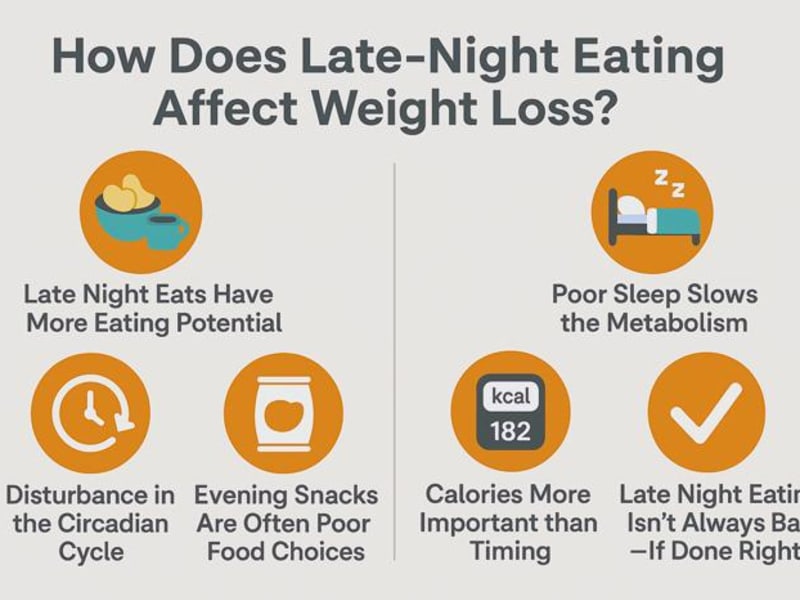
The belief that eating after 8pm automatically causes weight gain is pervasive — but the reality is more nuanced. Circadian biology, food choices, and total caloric intake all interact in ways that make the question far more interesting than a simple yes or no.
April 14, 2026