

Emergency & Help
24/7 Emergency & General Advisory
🚨 24/7 Medical Emergency
Non-Emergency Advisory
10:00 AM – 6:00 PM, Mon–Sat
For appointments & general queries.
24/7 Emergency & General Advisory
🚨 24/7 Medical Emergency
Non-Emergency Advisory
10:00 AM – 6:00 PM, Mon–Sat
For appointments & general queries.
Learn about the importance of pelvic floor muscles and how to perform effective exercises (Kegels) for better bladder control, sexual health, and overall well-being. Suitable for all ages.
The pelvic floor is a group of muscles that form a sling at the base of your pelvis. These muscles support your bladder, bowel, uterus (in women), and vagina (in women). A strong pelvic floor is essential for maintaining bladder and bowel control, supporting sexual function, and aiding in childbirth and recovery. In India, as awareness about holistic health grows, understanding and strengthening these vital muscles is becoming increasingly important for people of all ages and genders. This guide will delve into what pelvic floor exercises are, why they are beneficial, how to perform them correctly, and when to seek professional advice.
Imagine a hammock made of muscles and tissues stretching from your pubic bone at the front to your tailbone at the back. This is your pelvic floor. It plays a crucial role in several bodily functions:
Weak pelvic floor muscles can lead to a range of issues, including:
Regular pelvic floor exercises, often referred to as Kegel exercises, can help prevent and manage these conditions. They are beneficial for:
The first step is to correctly identify the muscles. Here’s how:
Once you've identified the muscles, you can start exercising:
You can perform these exercises in various positions: lying down, sitting, or standing. Consistency is key. Aim to do 3 sets of 10-15 repetitions daily.
While pelvic floor exercises are generally safe, it's advisable to consult a healthcare professional if you:
A doctor, physiotherapist, or a specialist in pelvic floor rehabilitation can assess your condition, provide personalized guidance, and recommend other treatment options if necessary. In India, many hospitals and clinics now offer specialized physiotherapy services for pelvic health.
Incorporating pelvic floor exercises into your daily routine is a proactive step towards maintaining long-term pelvic health. It's never too early or too late to start. For women, starting these exercises even before pregnancy can be beneficial. For men, especially those over 50 or who have undergone prostate surgery, these exercises can significantly improve quality of life.
Remember: A strong pelvic floor contributes to overall core stability, better posture, and improved bodily functions. Make these simple exercises a part of your wellness journey for a healthier, more confident you.
This section adds practical context and preventive advice to help readers make informed healthcare decisions. It is important to verify symptoms early, consult qualified doctors, and avoid self-medication for persistent health issues.
Maintaining healthy routines, following prescribed treatment plans, and attending regular checkups can improve outcomes. If symptoms worsen or red-flag signs appear, immediate medical evaluation is recommended.
Track symptoms and duration.
Follow diagnosis and treatment from a licensed practitioner.
Review medication side effects with your doctor.
Seek urgent care for severe warning signs.
Visit Hospital
Near You

Explore safe and effective skin glow treatment in Kolkata. Learn about popular procedures, benefits, costs, and skincare tips from experts.
May 20, 2026

The superfood label is a marketing construct — but that doesn't mean all the foods wearing it are frauds. Some genuinely deserve the designation based on density of nutrients and breadth of evidence; others are expensive substitutes for far cheaper alternatives. Here's the honest breakdown.
April 14, 2026
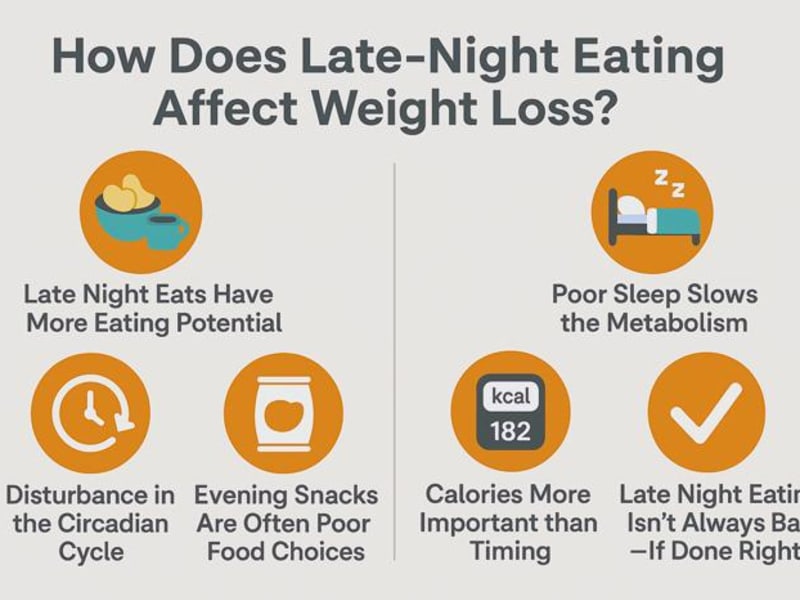
The belief that eating after 8pm automatically causes weight gain is pervasive — but the reality is more nuanced. Circadian biology, food choices, and total caloric intake all interact in ways that make the question far more interesting than a simple yes or no.
April 14, 2026