

Emergency & Help
24/7 Emergency & General Advisory
🚨 24/7 Medical Emergency
Non-Emergency Advisory
10:00 AM – 6:00 PM, Mon–Sat
For appointments & general queries.
24/7 Emergency & General Advisory
🚨 24/7 Medical Emergency
Non-Emergency Advisory
10:00 AM – 6:00 PM, Mon–Sat
For appointments & general queries.
Discover why stretching feels so good and learn about its numerous health benefits, from improved flexibility and stress relief to injury prevention. Includes simple stretches you can do at home.

Have you ever finished a long period of sitting, perhaps at your desk or after a journey, and felt that irresistible urge to stretch? That satisfying feeling as your muscles lengthen and release tension is something most of us experience. It’s not just a random sensation; there are clear biological reasons why stretching feels so good. This innate desire to stretch is even observed in animals, a behavior known as pandiculation, helping them relieve muscle tension. In this article, we’ll explore the science behind this pleasant feeling, delve into the numerous advantages of regular stretching, and guide you through some simple stretches you can incorporate into your daily routine.
Our bodies are wired to seek pleasure and avoid pain. Stretching falls into the category of activities that feel good, and our body's natural reward system encourages us to do it. This motivation is key to maintaining our muscles in a healthy state. Let’s break down the specific reasons:
When you stretch a muscle, your body responds by sending more blood to that specific area. The blood vessels widen, allowing a greater volume of blood to flow. Your heart also pumps more vigorously to support this increased circulation. This surge in blood flow means your muscles receive more oxygen and efficiently clear out metabolic waste products that can build up and cause discomfort or stiffness.
Research indicates that static stretching, where you hold a stretch for a period, activates your parasympathetic nervous system. This system is often called the “rest and digest” system. By engaging it, your body shifts from a state of alertness to one of calmness and relaxation. This is a direct contributor to the soothing sensation you feel after a good stretch.
Stretching can also trigger the release of endorphins. These are natural chemicals produced by your brain that act as powerful pain relievers and mood elevators. Endorphins bind to receptors in your brain, producing a feeling of euphoria and well-being, similar to the “runner’s high” some people experience after intense exercise. They are a vital part of your body's natural reward mechanism, reinforcing activities that are beneficial.
Beyond the immediate pleasant feeling, incorporating stretching into your life offers a wealth of health advantages:
As we age, or especially if we lead sedentary lives, our flexibility naturally declines. Regular stretching helps counteract this by improving the elasticity of your muscles and connective tissues. This leads to a greater range of motion in your joints, making everyday movements easier and more comfortable.
Stretching provides immediate improvements in blood circulation by relaxing blood vessels. While research is ongoing, studies suggest that consistent stretching may contribute to long-term cardiovascular health benefits, such as better blood vessel function and potentially lower blood pressure.
The activation of the parasympathetic nervous system during stretching directly combats the effects of stress. By promoting a state of relaxation, stretching can help alleviate feelings of anxiety and promote a sense of overall mental well-being. Imagine coming home after a stressful day at work, doing a few gentle stretches, and feeling your shoulders drop and your breathing deepen – that’s the power of stretching for stress relief.
For athletes and active individuals, improved flexibility and range of motion can significantly enhance performance. Whether it's a sprinter needing to fully extend their hips for maximum speed or a dancer requiring greater flexibility, stretching plays a key role in achieving optimal physical capabilities.
Flexible and well-conditioned muscles are less prone to strains and tears. By preparing your muscles for activity through stretching, you reduce the risk of injuries during exercise or even during daily tasks.
Before you begin stretching, it’s important to warm up your muscles. Avoid stretching cold muscles, as this can increase the risk of injury. A light warm-up of 5 minutes of walking or easy jogging can get your blood flowing and prepare your muscles.
Gently roll your head forward towards your chest. Then, slowly tilt your head to the right, feeling a stretch along the left side of your neck. Hold for 10 seconds. Repeat on the other side. Be very gentle with neck stretches.
Sit on the floor with one leg extended and the other bent, with the sole of your foot against your inner thigh. Lean forward from your hips towards the extended foot, keeping your back straight. Hold for 30 to 60 seconds. Repeat on the other side.
Stand near a wall for balance. Grab your right ankle with your right hand and gently pull your heel towards your glutes, feeling a stretch in the front of your thigh. Keep your knees close together. Hold for 30 to 60 seconds. Repeat on the other leg.
Stand facing a wall, about arm's length away. Place your hands on the wall. Step one foot back, keeping that leg straight and your heel on the floor. Bend your front knee and lean into the wall until you feel a stretch in your calf. Hold for 30 to 60 seconds. Repeat on the other leg.
Stand in a doorway. Place your forearms on the doorframe, with your elbows slightly below shoulder height. Step forward gently until you feel a stretch across your chest. Hold for 20 to 30 seconds.
While stretching is generally safe and beneficial, there are times when you should seek professional medical advice. If you experience sharp, sudden pain during a stretch, or if a persistent ache doesn't improve with gentle stretching and rest, it’s wise to consult a doctor or a physiotherapist. They can help identify the cause of the pain and recommend appropriate treatment or modifications.
Scenario: Priya, a software engineer, often feels stiffness in her neck and shoulders after long hours at her computer. She started doing simple neck and shoulder stretches during her breaks, and found that not only did the stiffness reduce, but she also felt more relaxed and focused for the rest of the day. She makes sure to warm up with a quick walk before her evening yoga session to prevent any strain.
Yes, for most people, stretching every day is beneficial and safe, provided you listen to your body and avoid overstretching or stretching cold muscles. Consistency is key to reaping the benefits.
Gentle stretching can indeed help alleviate some types of back pain by improving flexibility, reducing muscle tension, and increasing blood flow to the affected areas. However, it's important to know the cause of your back pain; consult a doctor or physiotherapist for specific exercises tailored to your condition.
Static stretching involves holding a stretch for a period (e.g., 30 seconds). It’s best done after a workout or as a standalone flexibility session. Dynamic stretching involves moving your body through a range of motion (e.g., arm circles, leg swings). It’s ideal as part of a warm-up before exercise to prepare muscles for activity.
For most activities, dynamic stretching is recommended as part of your warm-up before exercise. Static stretching is best performed after your workout when your muscles are warm and more pliable. Stretching cold muscles before exercise can increase injury risk.
Visit Hospital
Near You

Explore safe and effective skin glow treatment in Kolkata. Learn about popular procedures, benefits, costs, and skincare tips from experts.
May 20, 2026

The superfood label is a marketing construct — but that doesn't mean all the foods wearing it are frauds. Some genuinely deserve the designation based on density of nutrients and breadth of evidence; others are expensive substitutes for far cheaper alternatives. Here's the honest breakdown.
April 14, 2026
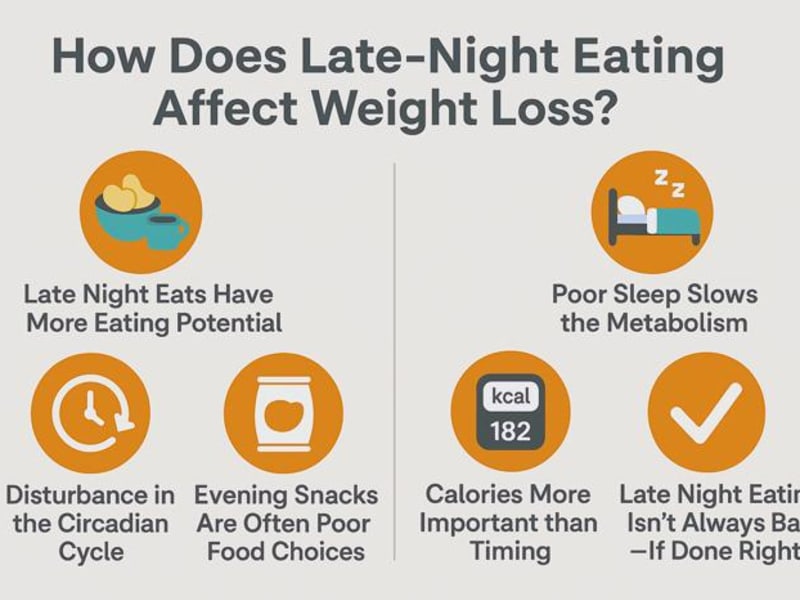
The belief that eating after 8pm automatically causes weight gain is pervasive — but the reality is more nuanced. Circadian biology, food choices, and total caloric intake all interact in ways that make the question far more interesting than a simple yes or no.
April 14, 2026