

Emergency & Help
24/7 Emergency & General Advisory
🚨 24/7 Medical Emergency
Non-Emergency Advisory
10:00 AM – 6:00 PM, Mon–Sat
For appointments & general queries.
24/7 Emergency & General Advisory
🚨 24/7 Medical Emergency
Non-Emergency Advisory
10:00 AM – 6:00 PM, Mon–Sat
For appointments & general queries.
Discover practical strategies to understand and reduce upper belly fat. Learn about diet, exercise, and lifestyle changes tailored for an Indian audience. Understand why spot reduction is a myth and focus on a holistic approach for sustainable results.

Many of us notice stubborn fat around our midsection, and for some, the upper belly area can be particularly challenging. It’s a common concern, and you’re not alone if you’re looking for ways to address it. While the idea of ‘spot reduction’ – losing fat from just one area – is a myth, a holistic approach combining diet, exercise, and lifestyle changes can make a difference. This guide will help you understand what contributes to upper belly fat and how you can effectively work towards reducing it, keeping in mind practical steps for readers in India.
Your body stores fat based on a combination of factors including genetics, age, hormones, and lifestyle. For some individuals, the upper abdomen is simply a place where fat accumulates and is the last to be shed during weight loss. Other contributing factors can include:
It’s important to understand that you cannot choose where your body loses fat. Doing hundreds of crunches won't magically melt away fat only from your upper belly. Fat loss occurs systematically throughout the body when you create a consistent calorie deficit. While core exercises strengthen and tone abdominal muscles, they don't directly burn the fat layer covering them. Think of it this way: the muscles are under the fat; you need to reduce the fat layer to see the toned muscles underneath.
The fundamental principle of losing any body fat, including from the upper belly, is to consume fewer calories than your body burns. This is known as a calorie deficit.
How it works:
Practical Steps for Indians:
What you eat plays a significant role not just in overall weight loss but also in reducing bloating and water retention that can make your belly appear larger.
Scenario: Priya often feels her stomach is bloated after lunch, especially if she’s eaten a large portion of rice with a rich curry. She realizes she often adds an extra spoonful of salt to her meals without thinking. She decides to consciously reduce her rice portion, swap her afternoon fried snack for a handful of almonds, and cut down on added salt. Over a few weeks, she notices less bloating and feels her clothes fit better.
A balanced exercise routine is key. It should include both cardiovascular activities for burning calories and strength training to build muscle, which boosts metabolism.
Cardio is excellent for burning calories and improving heart health. Aim for at least 150 minutes of moderate-intensity or 75 minutes of vigorous-intensity cardio per week.
Building muscle mass increases your resting metabolic rate, meaning you burn more calories even when you're not exercising. Focus on compound movements that work multiple muscle groups.
These exercises can help strengthen and tone your abdominal muscles, contributing to a firmer appearance once fat is reduced.
Remember to perform these exercises with proper form to avoid injury. If you’re new to exercise, start slowly and gradually increase intensity and duration.
Beyond diet and exercise, certain lifestyle habits significantly impact abdominal fat.
While upper belly fat is often a cosmetic concern, significant or sudden changes in weight distribution, especially accompanied by other symptoms, could indicate an underlying health issue. Consult your doctor if you experience:
A doctor can help rule out medical conditions and provide personalized advice based on your health status.
A1: No, you cannot target fat loss from a specific area like the upper belly through spot reduction. Core exercises strengthen your abdominal muscles, but overall fat loss requires a calorie deficit achieved through diet and full-body exercise.
A2: The timeline varies greatly depending on individual factors like genetics, starting weight, diet, and exercise consistency. A healthy and sustainable rate of weight loss is about 1-2 pounds per week. It may take several weeks or months to see noticeable changes in the upper belly area.
A3: No single food causes upper belly fat. However, a diet high in processed foods, sugar, unhealthy fats, and excessive sodium can contribute to overall weight gain and fat storage in the abdomen. Focusing on a balanced, whole-foods diet is key.
A4: Drinking sufficient water is essential for overall health and can support weight loss efforts by helping you feel full, boosting metabolism slightly, and preventing water retention. It's a crucial part of a healthy diet but not a magic bullet for belly fat on its own.
Visit Hospital
Near You

Explore safe and effective skin glow treatment in Kolkata. Learn about popular procedures, benefits, costs, and skincare tips from experts.
May 20, 2026
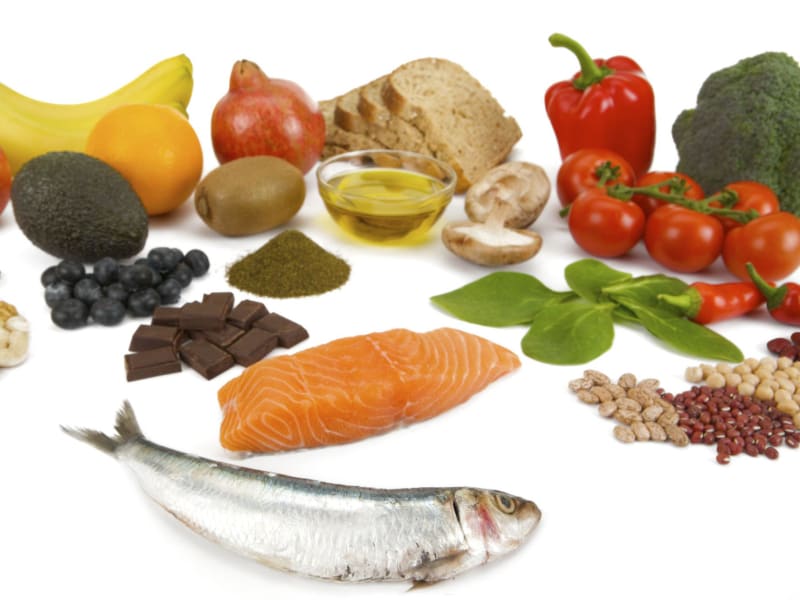
The superfood label is a marketing construct — but that doesn't mean all the foods wearing it are frauds. Some genuinely deserve the designation based on density of nutrients and breadth of evidence; others are expensive substitutes for far cheaper alternatives. Here's the honest breakdown.
April 14, 2026
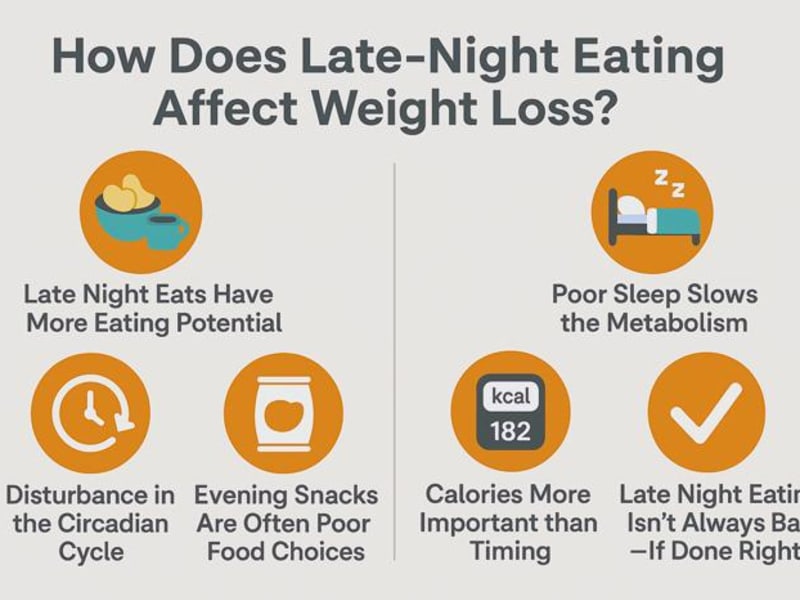
The belief that eating after 8pm automatically causes weight gain is pervasive — but the reality is more nuanced. Circadian biology, food choices, and total caloric intake all interact in ways that make the question far more interesting than a simple yes or no.
April 14, 2026