

Emergency & Help
24/7 Emergency & General Advisory
🚨 24/7 Medical Emergency
Non-Emergency Advisory
10:00 AM – 6:00 PM, Mon–Sat
For appointments & general queries.
24/7 Emergency & General Advisory
🚨 24/7 Medical Emergency
Non-Emergency Advisory
10:00 AM – 6:00 PM, Mon–Sat
For appointments & general queries.
Discover the fun and effective benefits of weighted hula hooping! Learn how it boosts fitness, burns calories, strengthens your core, and more.

Remember those colourful plastic hula hoops from your childhood? They’ve made a comeback, but with a twist! Weighted hula hoops are a modern take on a classic toy, designed not just for fun but as a serious fitness tool for adults. Unlike their lighter counterparts, weighted hoops are generally larger, heavier, and often made with softer, more comfortable materials. This added weight and size make them more stable during use, allowing for a more challenging and effective workout.
The Department of Health and Human Services recommends at least 150 minutes of moderate-intensity aerobic exercise or 75 minutes of vigorous aerobic exercise each week. Integrating a weighted hula hoop into your routine can be a delightful and efficient way to meet these guidelines. It offers a full-body workout that engages your core, burns calories, and can even help reduce fat around your waist and hips. Imagine a workout that feels more like play than a chore – that’s the magic of weighted hula hooping!
Hula hooping is a fantastic form of aerobic exercise, comparable to activities like salsa dancing or brisk walking. Regular aerobic activity is known to significantly lower the risk of cardiovascular disease, improve cholesterol levels by reducing LDL (the “bad” cholesterol), and enhance overall heart health. By keeping the hoop moving, you elevate your heart rate, strengthening your cardiovascular system over time.
A 30-minute session of hula hooping can burn a significant number of calories. For instance, women might burn around 165 calories, while men could burn approximately 200 calories. This calorie expenditure is similar to other moderate-intensity activities like ballroom dancing or mowing the lawn. For those looking to manage their weight, consistent hula hooping can be a valuable addition to their fitness plan, contributing to a calorie deficit when combined with a healthy diet.
Studies have shown promising results regarding weighted hula hooping's effectiveness in reducing fat and inches from the waist and hips. One study found that participants lost an average of 3.4 cm (1.3 inches) from their waistline and 1.4 cm (0.6 inches) from their hips after a 6-week program. Another study comparing weighted hula hooping with walking found that the hula hooping group experienced a significant reduction in abdominal fat and waist circumference.
Keeping a weighted hula hoop spinning around your midsection requires constant engagement of your abdominal and back muscles. This continuous effort acts as a form of resistance training for your core, helping to build strength and stability in the muscles around your trunk. Over time, this can lead to improved posture and a more toned midsection. A 2019 study even noted a significant increase in trunk muscle mass among participants who used weighted hula hoops compared to those who walked.
Hula hooping is not just about moving your hips; it requires a degree of balance and coordination to maintain the rhythm and keep the hoop in motion. As you practice, you'll find your proprioception—your body's awareness of its position in space—improves, leading to better overall balance and coordination. This can translate to improved performance in other physical activities and a reduced risk of falls, especially as we age.
The fun and engaging nature of hula hooping can have a positive impact on your mood. The rhythmic movement and the sense of accomplishment when you master a new move can be incredibly rewarding. Research has even suggested that participants in hula hooping programs report stronger intentions for future exercise, indicating that it can be a motivating activity that encourages a more active lifestyle.
Compared to high-impact exercises like running or jumping, weighted hula hooping is relatively low-impact, making it a gentler option for your joints. This makes it accessible to a wider range of people, including those who may have joint issues or are looking for a less strenuous form of cardio. The intensity can also be easily adapted by adjusting the speed of your movements or the duration of your workout.
Selecting the correct weighted hula hoop is key to an effective and enjoyable workout. Experts recommend starting with a hoop that, when standing on the ground beside you, reaches somewhere between your waist and mid-chest. The weight of the hoop should be manageable. You want a weight that challenges you but doesn't compromise your form or cause pain. Starting too heavy can lead to frustration and potential injury. Most beginners find hoops weighing between 1 to 3 pounds to be a good starting point. You can find a variety of weighted hula hoops online or at sporting goods stores.
Begin by standing with your feet hip-width apart or slightly wider, with one foot slightly in front of the other for better balance. Hold the hoop around your waist, then push it forward and backward or side to side, depending on your preferred movement. The key is to use your hips and core to create a continuous motion, not just your arms. Start with small, controlled movements and gradually increase the range of motion as you get comfortable. Don't get discouraged if the hoop falls; it happens to everyone when they start!
A good starting point for beginners is to aim for 10-15 minutes of hula hooping per session, 3-4 times a week. Gradually increase the duration as your stamina improves. You can incorporate different movements, such as forward and backward hip action, side-to-side hip action, or even try rotating the hoop around your arms or legs as you advance.
Priya, a 35-year-old office worker, found it hard to stick to a fitness routine due to her busy schedule. She wanted a fun way to burn calories and tone her midsection without going to the gym. After trying a weighted hula hoop, she discovered she could easily fit in 15-minute sessions while watching her favourite TV shows. Within a few weeks, she noticed her core felt stronger and her clothes fit better.
While weighted hula hooping is generally safe, it's always a good idea to consult your doctor before starting any new exercise program, especially if you have pre-existing health conditions such as back problems, heart issues, or are pregnant. Pay attention to your body. If you experience any sharp pain, dizziness, or persistent discomfort, stop the exercise and seek medical advice.
A weighted hula hoop is an excellent addition to a fitness routine, but it shouldn't be your sole form of exercise. A balanced fitness plan includes a mix of aerobic activity, strength training, and flexibility exercises. Hula hooping excels at aerobic conditioning and core strength, but you’ll still benefit from other activities that work different muscle groups.
For beginners, starting with 10-15 minutes a day, 3-4 times a week, is a good goal. As you get fitter, you can gradually increase the duration and frequency. Consistency is more important than intensity when you're starting out.
When using a properly weighted hoop and maintaining good form, weighted hula hooping should not harm your internal organs. The pressure is distributed around your waist. However, if you use a hoop that is too heavy or use excessive force, you might experience bruising or discomfort. Always start with a lighter weight and focus on technique.
Yes, weighted hula hooping can contribute to losing belly fat as part of a comprehensive weight loss strategy that includes a healthy diet and regular exercise. It effectively burns calories and targets the abdominal muscles, helping to reduce overall body fat, including in the belly area.
Visit Hospital
Near You

Explore safe and effective skin glow treatment in Kolkata. Learn about popular procedures, benefits, costs, and skincare tips from experts.
May 20, 2026

The superfood label is a marketing construct — but that doesn't mean all the foods wearing it are frauds. Some genuinely deserve the designation based on density of nutrients and breadth of evidence; others are expensive substitutes for far cheaper alternatives. Here's the honest breakdown.
April 14, 2026
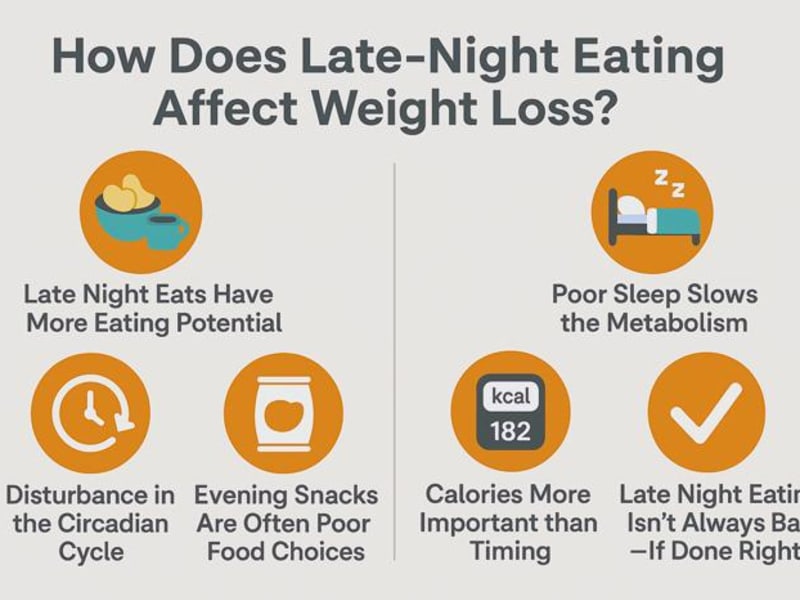
The belief that eating after 8pm automatically causes weight gain is pervasive — but the reality is more nuanced. Circadian biology, food choices, and total caloric intake all interact in ways that make the question far more interesting than a simple yes or no.
April 14, 2026