Maintaining Optimal Eye Health: A Comprehensive Guide
Our eyes are windows to the world, allowing us to experience the beauty and complexity around us. Yet, in our fast-paced lives, we often take our vision for granted until an issue arises. Maintaining optimal eye health is crucial for overall well-being and quality of life. This comprehensive guide will delve into various aspects of eye care, from understanding common conditions to adopting lifestyle habits that safeguard your sight for years to come.
Good vision isn't just about seeing clearly; it's about preventing debilitating diseases and ensuring that your eyes can function effectively throughout your lifetime. Neglecting eye health can lead to a range of problems, from mild discomfort to severe vision loss. The good news is that many eye conditions are preventable or treatable with early detection and proper care.
Understanding Common Eye Conditions
Several conditions can affect your eyes, some of which are more prevalent than others. Being aware of these can help you recognize symptoms early and seek timely treatment.
- Refractive Errors: These are the most common eye problems, including myopia (nearsightedness), hyperopia (farsightedness), astigmatism, and presbyopia. They occur when the eye cannot focus light precisely on the retina, resulting in blurred vision. Corrective lenses (glasses or contact lenses) or refractive surgery (like LASIK) can usually correct these.
- Cataracts: A common age-related condition where the eye's natural lens becomes cloudy, leading to blurred vision, glare sensitivity, and difficulty seeing at night. Surgery to replace the clouded lens with an artificial one is highly effective.
- Glaucoma: Often called the 'silent thief of sight,' glaucoma damages the optic nerve, usually due to increased pressure inside the eye. It can lead to irreversible vision loss if not detected and treated early. Regular eye exams are vital for early diagnosis.
- Diabetic Retinopathy: A complication of diabetes that damages the blood vessels in the retina. It can lead to vision loss and even blindness if untreated. Strict blood sugar control is crucial for prevention.
- Age-related Macular Degeneration (AMD): A leading cause of vision loss among older adults, AMD affects the macula, the part of the retina responsible for sharp, central vision. There are 'dry' and 'wet' forms, with various treatments available depending on the type and severity.
- Dry Eye Syndrome: Occurs when the eyes don't produce enough quality tears to lubricate themselves, leading to discomfort, burning, stinging, and sometimes blurred vision.
Preventative Measures and Healthy Habits for Your Eyes
Proactive care is the cornerstone of lifelong eye health. Incorporating certain habits into your daily routine can significantly reduce your risk of developing serious eye conditions.
1. Schedule Regular Comprehensive Eye Exams
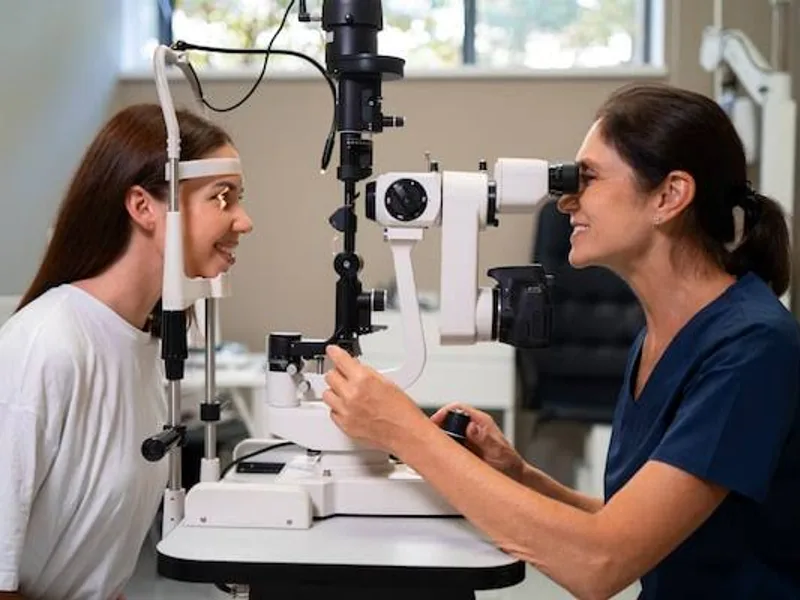
This is perhaps the single most important step. A comprehensive eye exam goes beyond checking your vision; it allows an ophthalmologist or optometrist to look for signs of disease, even before you notice symptoms. The frequency of exams depends on your age, risk factors, and overall health, but generally, adults should have one every 1-2 years.
2. Protect Your Eyes from UV Radiation
Just like your skin, your eyes need protection from the sun's harmful ultraviolet (UV) rays. Prolonged exposure can increase the risk of cataracts, macular degeneration, and other eye problems. Always wear sunglasses that block 99-100% of both UVA and UVB rays when outdoors, even on cloudy days.
3. Maintain a Healthy Diet
What you eat impacts your eye health. A diet rich in fruits, vegetables, and omega-3 fatty acids can help protect your eyes. Key nutrients for eye health include:
- Lutein and Zeaxanthin: Found in leafy green vegetables (spinach, kale), broccoli, and eggs, these antioxidants protect the macula from sun damage.
- Vitamin C: Citrus fruits, bell peppers, and strawberries are excellent sources. Vitamin C supports healthy blood vessels in the eyes.
- Vitamin E: Nuts, seeds, and sweet potatoes contain Vitamin E, another powerful antioxidant.
- Zinc: Found in beans, nuts, and red meat, zinc helps bring Vitamin A from the liver to the retina to produce melanin, a protective pigment in the eyes.
- Omega-3 Fatty Acids: Fatty fish like salmon, tuna, and mackerel support tear film production and reduce inflammation, beneficial for dry eye syndrome.
4. Manage Systemic Health Conditions
Conditions like diabetes, high blood pressure, and high cholesterol can have a profound impact on your eyes. Effectively managing these chronic diseases through diet, exercise, and medication as prescribed by your doctor is vital for preventing related eye complications like diabetic retinopathy or hypertensive retinopathy.
5. Quit Smoking
Smoking significantly increases the risk of developing cataracts, macular degeneration, and optic nerve damage. Quitting smoking is one of the best things you can do for your overall health, including your eyes.
6. Practice Digital Eye Strain Prevention (The 20-20-20 Rule)
In our digital age, prolonged screen time is common. This can lead to digital eye strain, characterized by dry eyes, headaches, blurred vision, and neck pain. To combat this, follow the 20-20-20 rule: Every 20 minutes, look at something 20 feet away for at least 20 seconds. Also, ensure your screen is at arm's length, adjust brightness, and blink frequently.
7. Wear Protective Eyewear
If you work in a profession or engage in hobbies that pose a risk of eye injury (e.g., construction, woodworking, sports), always wear appropriate safety glasses or goggles. Eye injuries can be severe and lead to permanent vision loss.
When to Seek Professional Help
While prevention is key, it's also important to know when to consult an eye care professional. Don't delay seeking help if you experience:
- Sudden vision changes or loss
- Flashes of light or new floaters
- Eye pain or severe redness
- Double vision
- Discharge from the eye
- Changes in peripheral vision
Early intervention can often prevent irreversible damage and preserve your sight.
Your eyes are invaluable, and taking proactive steps to protect them is an investment in your future. By adopting healthy lifestyle habits, understanding common risks, and prioritizing regular eye exams, you can enjoy clear vision and maintain optimal eye health throughout your life.
Frequently Asked Questions About Eye Health
Q1: How often should I get an eye exam?
A1: Generally, adults should have a comprehensive eye exam every 1-2 years. If you have risk factors such as a family history of eye disease, diabetes, or are over 40, your doctor may recommend more frequent check-ups.
Q2: Can diet really improve my vision?
A2: While diet cannot correct refractive errors, a nutritious diet rich in antioxidants (like lutein, zeaxanthin, vitamins C and E) and omega-3 fatty acids can significantly support overall eye health, reduce the risk of age-related macular degeneration (AMD), and help prevent cataracts and dry eyes.
Q3: What are the best sunglasses for eye protection?
A3: Look for sunglasses that block 99-100% of both UVA and UVB rays. This is often indicated as