

Emergency & Help
24/7 Emergency & General Advisory
🚨 24/7 Medical Emergency
Non-Emergency Advisory
10:00 AM – 6:00 PM, Mon–Sat
For appointments & general queries.
24/7 Emergency & General Advisory
🚨 24/7 Medical Emergency
Non-Emergency Advisory
10:00 AM – 6:00 PM, Mon–Sat
For appointments & general queries.
Discover 10 effective home remedies using natural ingredients readily available in India to achieve naturally glowing and healthy skin. Learn about coconut oil, aloe vera, hydration, diet, and more.
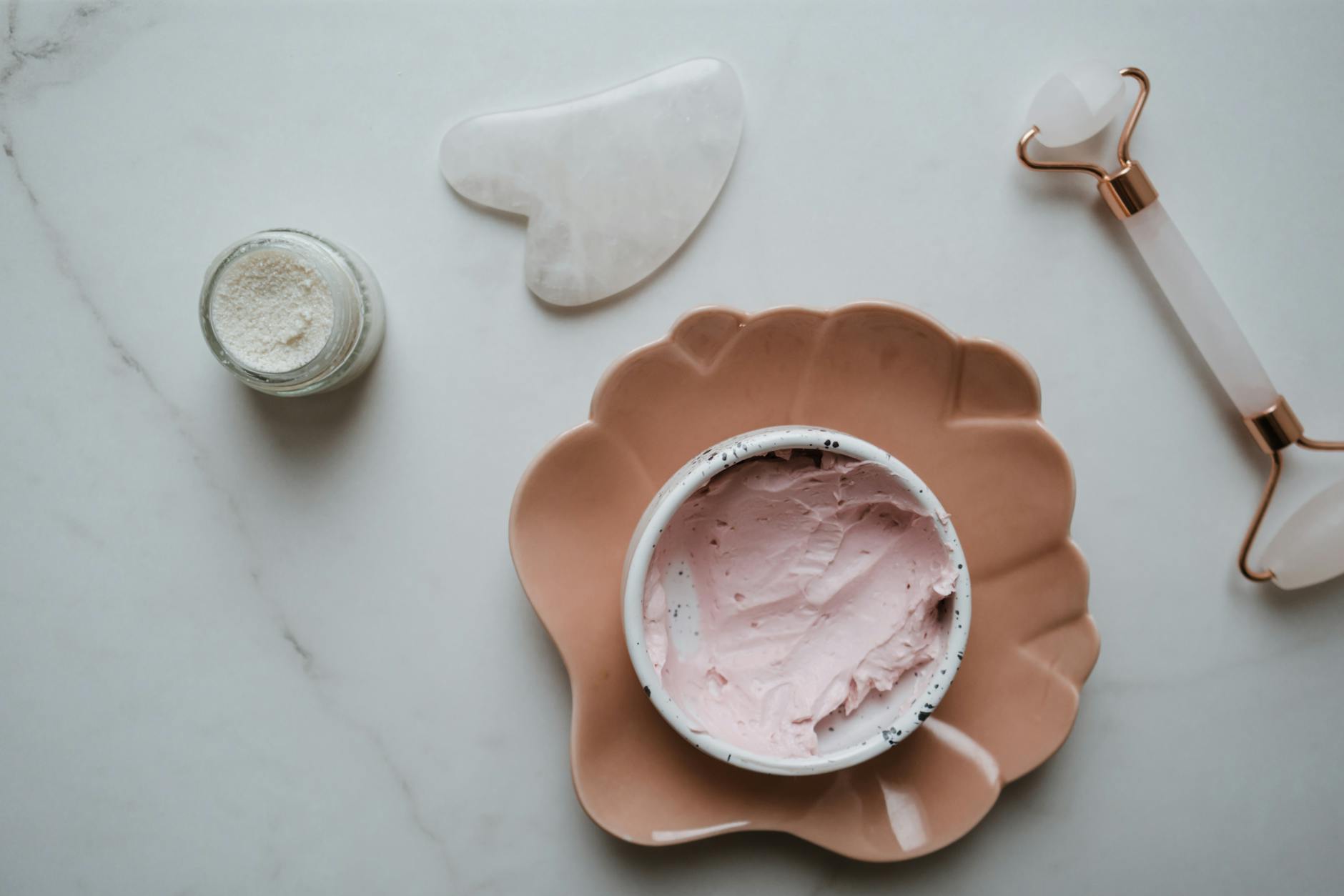
Unlock Your Skin's Natural Radiance: Simple Home Remedies for a Healthy Glow In India, where diverse climates and lifestyles can impact skin health, achieving a natural, healthy glow is a common aspiration. Many seek radiant skin, often associating it with vitality and well-being. While commercial products abound, nature offers a treasure trove of ingredients readily available in our kitchens and homes that can significantly enhance your skin's appearance. This guide explores 10 effective home remedies, tailored for the Indian context, to help you achieve that coveted dewy look, focusing on safety, practicality, and natural efficacy. Understanding Glowing Skin Glowing skin is essentially healthy skin. It reflects light evenly, indicating good hydration, proper cell turnover, and a healthy skin barrier. Dull or dry skin, conversely, can make one feel less confident. Factors like pollution, stress, diet, and improper skincare routines can contribute to a lacklustre complexion. The remedies discussed here aim to address these issues from the root, promoting skin health from within and without. 1. Virgin Coconut Oil: Nature's Moisturizer Virgin coconut oil is a staple in many Indian households, not just for cooking but also for beauty. Its anti-inflammatory and antioxidant properties make it an excellent natural moisturizer. It can help promote dewy-looking skin by nourishing it from beneath the surface layer. For application, gently massage a small amount onto your face, let it absorb for a few minutes, and then rinse with your regular cleanser. However, if you have oily or acne-prone skin, or are allergic to coconut, it's best to use it cautiously or avoid it on your face, as it can sometimes clog pores for certain skin types. 2. Aloe Vera: The Soothing Healer Aloe vera is renowned for its healing properties. The gel extracted from its leaves can help stimulate new cell growth, aiding in skin repair and rejuvenation. Applying aloe vera gel after cleansing your face daily can impart a healthy glow. Important: Before widespread use, perform a patch test by applying a small amount to your forearm. Wait 24 hours to check for any allergic reactions. If no irritation occurs, it should be safe for facial use. 3. Proper Moisturization: Locking in Hydration Moisturizing is crucial, especially after washing your face. For radiant skin, use products that effectively lock in moisture. Avoid harsh exfoliation when your skin feels dry, as this can damage the skin barrier. A pro tip is to moisturize your skin while it's still slightly damp from showering or rinsing your face. This helps trap extra moisture, providing a smoother, more hydrated feel rather than just a surface-level smoothness. 4. Sun Protection: Your Daily Shield Protecting your skin from the sun's harmful UV rays is non-negotiable. Apply a broad-spectrum sunscreen with an SPF of 15 or higher every morning, even on cloudy days. This not only helps prevent skin cancer but also guards against premature aging, often referred to as photoaging. Consistent sun protection is key to maintaining an even skin tone and preventing sunspots. 5. Mindful Cleansing Routine Over-washing your face can strip it of essential moisture and natural oils, prompting your pores to produce more oil to compensate, leading to imbalances. Conversely, not cleansing properly can lead to clogged pores and dullness. The sweet spot for cleansing is typically twice a day: once in the morning, once before bed, and after sweating. Choose a gentle cleanser suitable for your skin type. 6. Hydration from Within: Drink Plenty of Water Your skin, like all organs, needs water to function optimally. While the direct link between drinking water and 'glowing' skin is still debated, numerous studies suggest a strong correlation between adequate water intake and healthier skin. Staying hydrated helps maintain skin elasticity and can contribute to a plumper, more radiant appearance. Aim for at least 8-10 glasses of water daily, adjusting based on your activity level and climate. 7. Probiotics: Gut Health for Skin Health Emerging research indicates a significant link between gut health and skin health. Probiotics, beneficial bacteria found in fermented foods like curd (dahi) and certain supplements, may improve skin health and contribute to a visibly glowing complexion. Incorporating probiotic-rich foods into your diet can be a holistic approach to achieving radiant skin. 8. Healthy Diet: Fueling Your Skin A diet rich in fruits and vegetables is packed with essential vitamins and antioxidants that combat oxidative stress, a major contributor to skin aging. Including healthy fats, such as those found in nuts, seeds, and fish oils, and limiting processed foods laden with preservatives, can have a direct positive impact on your skin's appearance. Think of your diet as feeding your skin from the inside out. 9. Avoid Smoking Cigarette smoke is laden with chemical toxins that can coat your face and penetrate your skin. This exposure increases oxidative stress in skin cells, accelerating the aging process and leading to premature wrinkles and a dull complexion. Quitting smoking is one of the best decisions you can make for your overall health and your skin's vitality. 10. Limit Exposure to Hot Water While steam can open pores and help in toxin removal, prolonged exposure to very hot water can damage your skin's natural barrier and strip away essential oils. This leaves the skin looking tired and dull. Opt for lukewarm water when washing your face or showering to preserve your skin's natural moisture and integrity. When to Consult a Doctor While these home remedies can be very effective
In summary, timely diagnosis, evidence-based treatment, and prevention-focused care improve long-term health outcomes.
Visit Hospital
Near You
Locate top renal specialists in Khagaria for expert diagnosis and treatment of kidney diseases. Ensure optimal kidney health.
May 19, 2026
Discover how to find the best surgeon in Munger. Learn key factors to consider for safe and effective surgical treatment.
May 18, 2026
Access reliable home doctor visits in Pune. Get expert medical care, diagnosis, and treatment without leaving your home.
April 26, 2026