

Emergency & Help
24/7 Emergency & General Advisory
🚨 24/7 Medical Emergency
Non-Emergency Advisory
10:00 AM – 6:00 PM, Mon–Sat
For appointments & general queries.
24/7 Emergency & General Advisory
🚨 24/7 Medical Emergency
Non-Emergency Advisory
10:00 AM – 6:00 PM, Mon–Sat
For appointments & general queries.
A practical guide to anal hygiene, covering daily cleaning, safe douching practices, and when to seek medical advice. Learn what to do and what to avoid for optimal anal health.
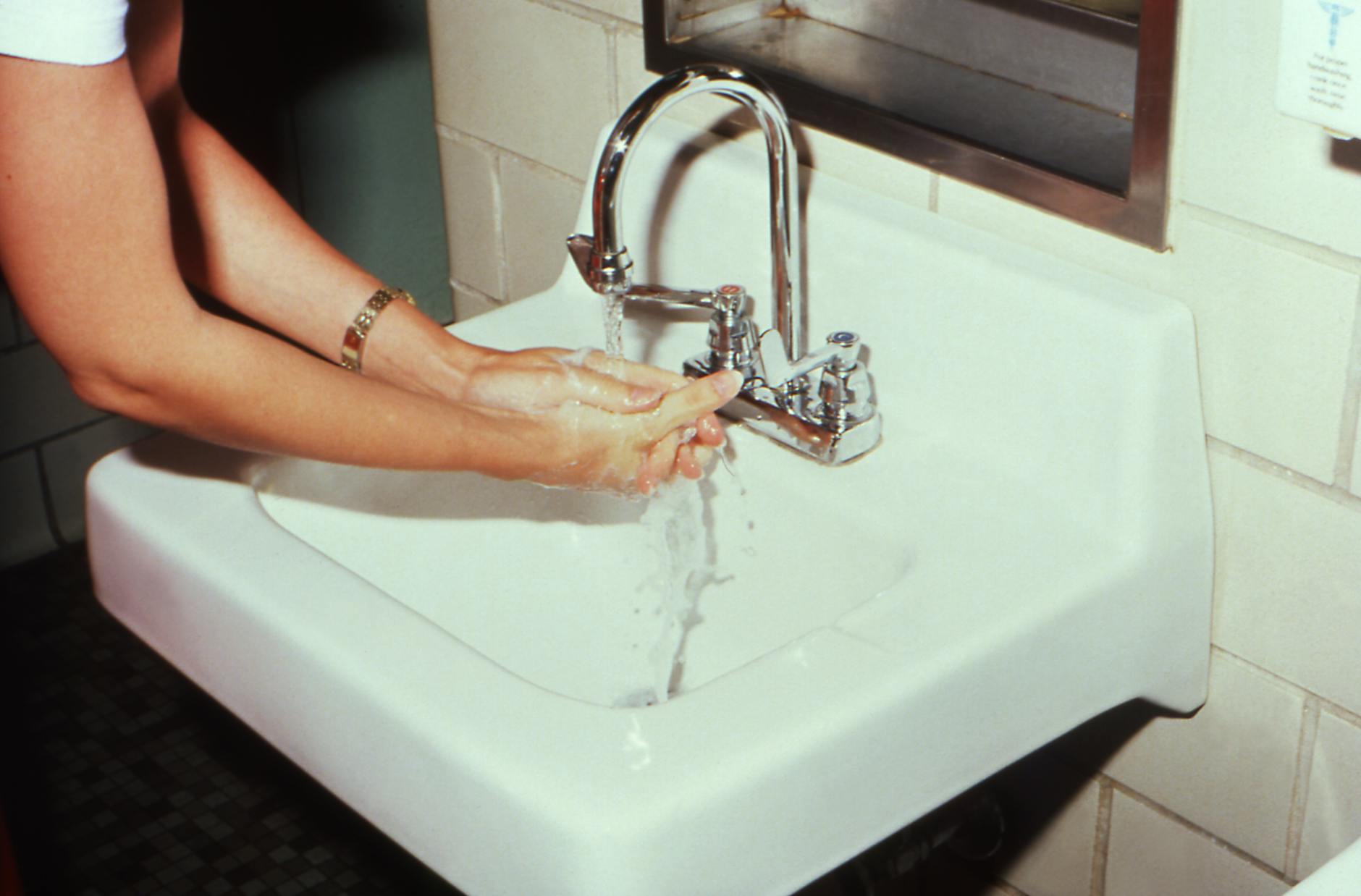
Let's talk about something many of us don't discuss openly: anal hygiene. Keeping the anal area clean is essential for comfort, preventing infections, and overall well-being. While regular wiping after a bowel movement is standard, sometimes a deeper clean might be considered, especially in specific situations. This guide will walk you through the best practices for anal hygiene, what to do, and crucially, what to absolutely avoid. We'll explore gentle cleaning methods, the role of diet, and when it's time to seek professional advice.
For most people, daily anal hygiene is straightforward. It involves ensuring the area is clean and dry after each bowel movement. Here’s how to get it right:
While daily hygiene is usually sufficient, some individuals might consider a more thorough internal cleaning, often referred to as anal douching or enema use. This is typically done for personal preference, to feel exceptionally clean, or in preparation for certain activities, such as receptive anal sex. However, it's crucial to understand that medical experts generally do not recommend routine anal douching due to potential risks.
An enema involves introducing fluid into the rectum to stimulate a bowel movement or to clean the lower bowel. Anal douching is a similar process, often done with the intent of cleaning the rectal canal more thoroughly.
When performed improperly or too frequently, anal douching can pose significant risks:
If, after understanding the risks, you decide to proceed with anal douching, follow these guidelines meticulously to minimise harm:
Normal saline solution is the safest choice. It helps maintain the natural balance of your body. Avoid plain tap water. You can purchase pre-made saline solutions or make your own by mixing purified water with a specific ratio of salt (consult reliable sources for the correct ratio, but typically it's around 1 teaspoon of non-iodized salt per quart of water). Ensure the fluid is lukewarm, not hot or cold. Test the temperature on your inner wrist – it should feel neither warm nor cool.
Always use a water-based lubricant. Apply it generously to the tip of your enema device or nozzle. Lubrication is essential for comfortable and safe insertion.
You can use a pre-filled enema kit (like Fleet enemas, but ensure it's just saline or water) or a reusable bulb syringe. Some people choose to use a gloved, lubricated finger to gently open the anal sphincter before inserting the device. Never force anything.
Find a comfortable position. Many find it easiest to stand with one leg raised on the toilet seat. Gently and slowly insert the lubricated nozzle into the rectum. Do not force it. Breathe deeply and relax your muscles.
Slowly squeeze the bulb or allow the fluid from the enema bag to flow into the rectum. Start with a small amount of fluid. The goal is to hold the fluid inside for 10 to 15 minutes if possible. This allows the fluid to reach higher up and help loosen stool. If you experience significant discomfort or cramping, release the fluid into the toilet immediately.
After the holding period, go to the toilet to empty your bowels. The fluid and loosened stool should pass. You may need to repeat the process if you feel it's necessary, but do so gently and without excessive force.
Protecting your anal health means knowing what *not* to do. Here are some absolute no-nos:
While good hygiene practices can prevent many issues, certain symptoms warrant a visit to your doctor. Don't hesitate to seek medical advice if you experience any of the following:
Your doctor can provide an accurate diagnosis and recommend the most appropriate treatment or management plan for your specific concerns. They can also offer personalised advice on anal hygiene based on your health status.
A1: No, anal douching is not a requirement for anal sex. It is a personal choice. Many people engage in anal sex without douching. If you choose to douche, do so safely following the guidelines provided.
A2: When used occasionally and correctly with appropriate solutions, enemas are generally safe. However, frequent or improper use can lead to electrolyte imbalances, disruption of the gut microbiome, and irritation or injury to the rectal lining.
A3: For most people, cleaning the external anal area after each bowel movement with soft toilet paper or a bidet, and regular bathing with mild soap and water, is sufficient. Internal cleaning like douching is not a daily practice and should be done sparingly, if at all.
A4: Signs of an anal infection can include increased redness, swelling, pain, itching, a foul-smelling discharge, or fever. If you suspect an infection, consult a doctor promptly.
A5: Hemorrhoids can be influenced by factors like straining during bowel movements, constipation, and prolonged sitting. While not directly caused by poor hygiene, maintaining soft stools through diet and hydration, and practicing gentle wiping, can help prevent irritation and discomfort associated with hemorrhoids.
Visit Hospital
Near You
Locate top renal specialists in Khagaria for expert diagnosis and treatment of kidney diseases. Ensure optimal kidney health.
May 19, 2026
Discover how to find the best surgeon in Munger. Learn key factors to consider for safe and effective surgical treatment.
May 18, 2026
Access reliable home doctor visits in Pune. Get expert medical care, diagnosis, and treatment without leaving your home.
April 26, 2026