

Emergency & Help
24/7 Emergency & General Advisory
🚨 24/7 Medical Emergency
Non-Emergency Advisory
10:00 AM – 6:00 PM, Mon–Sat
For appointments & general queries.
24/7 Emergency & General Advisory
🚨 24/7 Medical Emergency
Non-Emergency Advisory
10:00 AM – 6:00 PM, Mon–Sat
For appointments & general queries.
Learn about 6 common skincare ingredients like PFAS, phthalates, and parabens that may pose risks to your health and discover safer alternatives for stress-free, healthier skin.
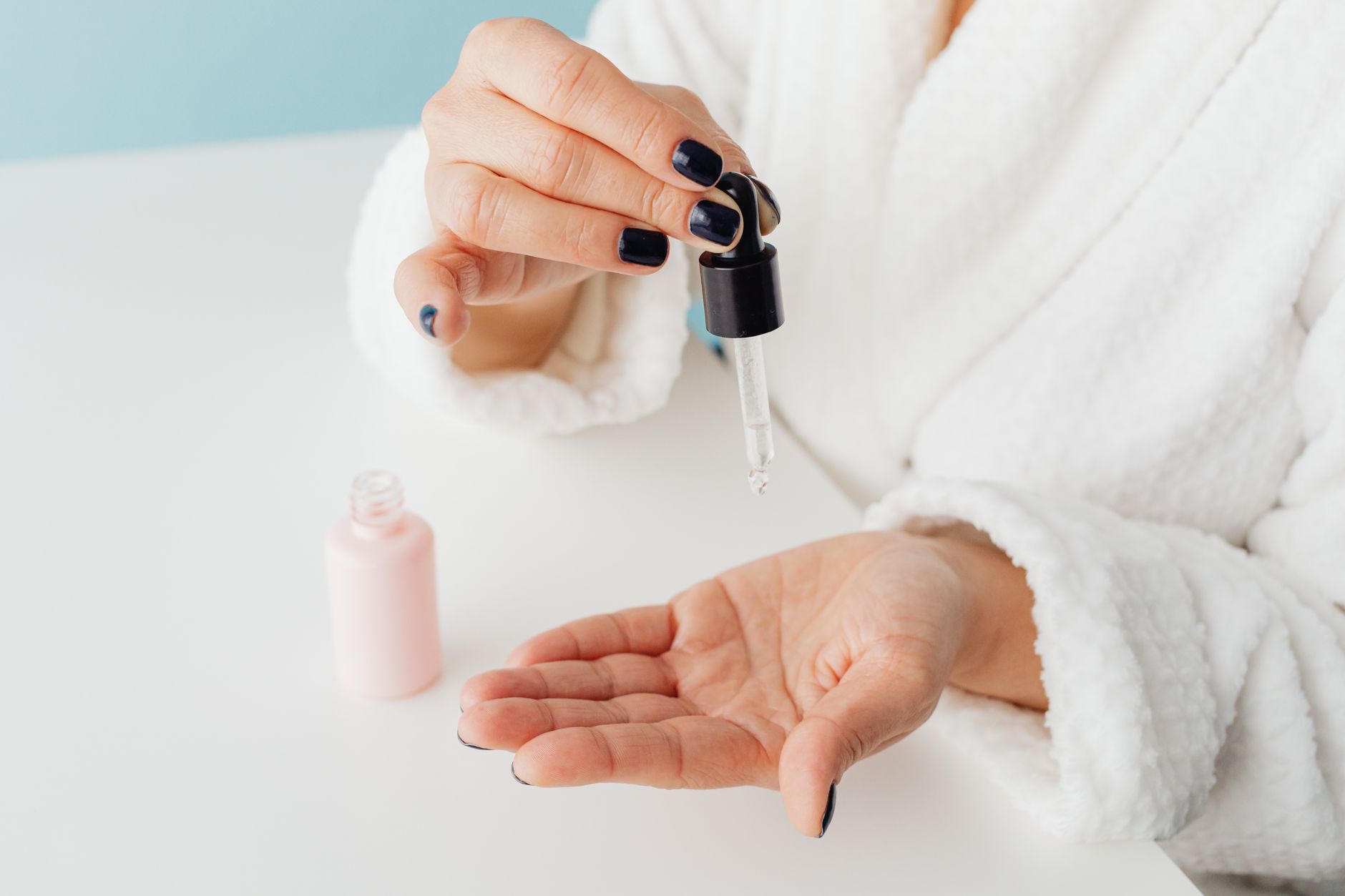
Our skin, the body's largest organ, acts as a vital barrier, protecting us from the environment. However, its high absorption rate means that what we apply topically can indeed enter our bloodstream and potentially impact our overall health. Just as we carefully consider the foods we consume, it's crucial to be mindful of the ingredients in our skincare and beauty products. While the food we eat is regulated by bodies like the Food and Drug Administration (FDA) and the U.S. Department of Agriculture, the regulation of skincare and beauty products is less stringent, leaving consumers to navigate ingredient lists and make informed choices.
Understanding the science behind certain ingredients can empower you to make decisions that promote long-term health, extending beyond superficial skin benefits. This guide delves into specific ingredients that dermatologists suggest avoiding and offers insights into safer alternatives, aiming to help you achieve truly stress-free skincare.
The skin's ability to absorb substances means that certain skincare ingredients, particularly synthetic fragrances or highly concentrated chemicals, can lead to adverse effects. These can range from mild skin sensitivity and irritation to more severe allergic reactions. Furthermore, some ingredients have been linked to more significant health concerns, including potential impacts on fertility, hormonal balance, and even an increased risk of certain cancers. It's important to note that individual reactions to ingredients can vary significantly. What might cause a reaction in one person may have no effect on another. Therefore, while this list highlights commonly flagged ingredients, personal sensitivity should always be considered.
Often found in makeup and skincare products, PFAS are a group of chemicals known for their persistence. A 2021 report found that over 100 popular makeup products contained PFAS, which do not break down and can accumulate in the body over time. Some PFAS, like perfluorooctanoic acid (PFOA), have been linked to an increased risk of cancer, according to the American Cancer Society. While not always explicitly listed, they can be found in products that offer long-lasting or waterproof effects.
Phthalates are a group of chemicals commonly used to make plastics more flexible and are also found in fragrances, hair sprays, and nail polishes. A 2018 review suggested that phthalates present in personal care products could negatively affect male fertility. Due to their potential endocrine-disrupting properties, it's advisable to choose products labeled 'phthalate-free'.
Formaldehyde is a known carcinogen and is sometimes used in keratin hair treatments and found in preservatives in some cosmetics. A 2021 study indicated that exposure to formaldehyde could lead to heart malformations in a developing fetus. In response to these concerns, California became the first state to ban 24 chemicals, including formaldehyde and methylene glycol, in 2020. Look for products that are 'formaldehyde-free' and be cautious of ingredients like quaternium-15, DMDM hydantoin, imidazolidinyl urea, and diazolidinyl urea, which can release formaldehyde over time.
PEGs are petroleum-derived ingredients used in cosmetics as solvents, thickeners, and softeners. While generally considered safe, a small 2021 case study highlighted six instances of acute sensitivity to PEGs, although researchers noted such allergies are rare. PEGs can also be contaminated with 1,4-dioxane, a potential carcinogen. Opt for products that use plant-derived alternatives where possible.
Parabens are commonly used as preservatives in cosmetics and personal care products to prevent bacterial growth. Concerns have been raised about their potential to disrupt hormone function. A 2017 study on gerbil prostates suggested that methylparaben could interfere with estrogenic and androgenic receptors, potentially affecting the prostate. However, other research from the same year suggested parabens posed little health risk, and the FDA stated in 2022 that it lacked sufficient evidence to warn about the health effects of parabens. The American Academy of Dermatology (AAD) also reported low risks of allergic reactions in 2019. Despite the mixed research, many consumers prefer to avoid them. Look for 'paraben-free' products.
Aluminum compounds are often used in antiperspirants and some cosmetics. A 2015 study suggested that aluminum could potentially increase the migration of breast cancer cells, prompting calls for more research. Conversely, in 2013, the Cosmetic Ingredient Review deemed alumina and aluminum hydroxide safe for cosmetic use, noting minimal absorption through the skin. Given the ongoing research and consumer concerns, many opt to use aluminum-free deodorants and antiperspirants.
Instead of reaching for products with the ingredients listed above, consider opting for formulations that prioritize natural, gentle, and well-researched components. Look for:
While making informed choices about your skincare products is crucial, persistent skin issues or severe reactions warrant professional medical advice. Consult a dermatologist if you experience any of the following:
The scientific community has mixed findings regarding the safety of parabens. While some studies suggest potential hormonal disruption, regulatory bodies like the FDA have not found sufficient evidence to deem them harmful for human health at typical usage levels. However, many consumers choose to avoid them as a precautionary measure.
PFAS are often not listed directly on ingredient labels. They may be indicated by terms like 'fluoro,' 'perfluoro,' or 'polyfluoro.' Products marketed as 'long-wearing,' 'waterproof,' or 'transfer-resistant' may also contain PFAS.
Given that formaldehyde is a known carcinogen and can be released by certain preservatives, it's generally advisable to avoid products containing these ingredients, especially if you are pregnant or have sensitive skin.
Clean beauty products typically avoid controversial ingredients and prioritize transparency. Using them can help reduce exposure to potentially harmful chemicals, minimize the risk of skin irritation and allergic reactions, and support overall health.
While rare, allergic reactions to PEGs can occur, as indicated by a small case study. If you suspect a PEG allergy, it's best to avoid products containing them and consult a dermatologist.
Choosing skincare products is a personal decision, but understanding the potential impact of certain ingredients on your skin and overall health is paramount. By being aware of ingredients like PFAS, phthalates, formaldehyde, PEGs, parabens, and aluminum compounds, and opting for safer, more natural alternatives, you can cultivate a skincare routine that promotes both radiant skin and long-term well-being. Always listen to your skin and consult healthcare professionals when in doubt.
Visit Hospital
Near You
Locate top renal specialists in Khagaria for expert diagnosis and treatment of kidney diseases. Ensure optimal kidney health.
May 19, 2026
Discover how to find the best surgeon in Munger. Learn key factors to consider for safe and effective surgical treatment.
May 18, 2026
Access reliable home doctor visits in Pune. Get expert medical care, diagnosis, and treatment without leaving your home.
April 26, 2026