

Emergency & Help
24/7 Emergency & General Advisory
🚨 24/7 Medical Emergency
Non-Emergency Advisory
10:00 AM – 6:00 PM, Mon–Sat
For appointments & general queries.
24/7 Emergency & General Advisory
🚨 24/7 Medical Emergency
Non-Emergency Advisory
10:00 AM – 6:00 PM, Mon–Sat
For appointments & general queries.
Bar soap or body wash? Discover the pros and cons of each cleansing method, understand your skin's needs, and make an informed choice for a healthier shower routine.
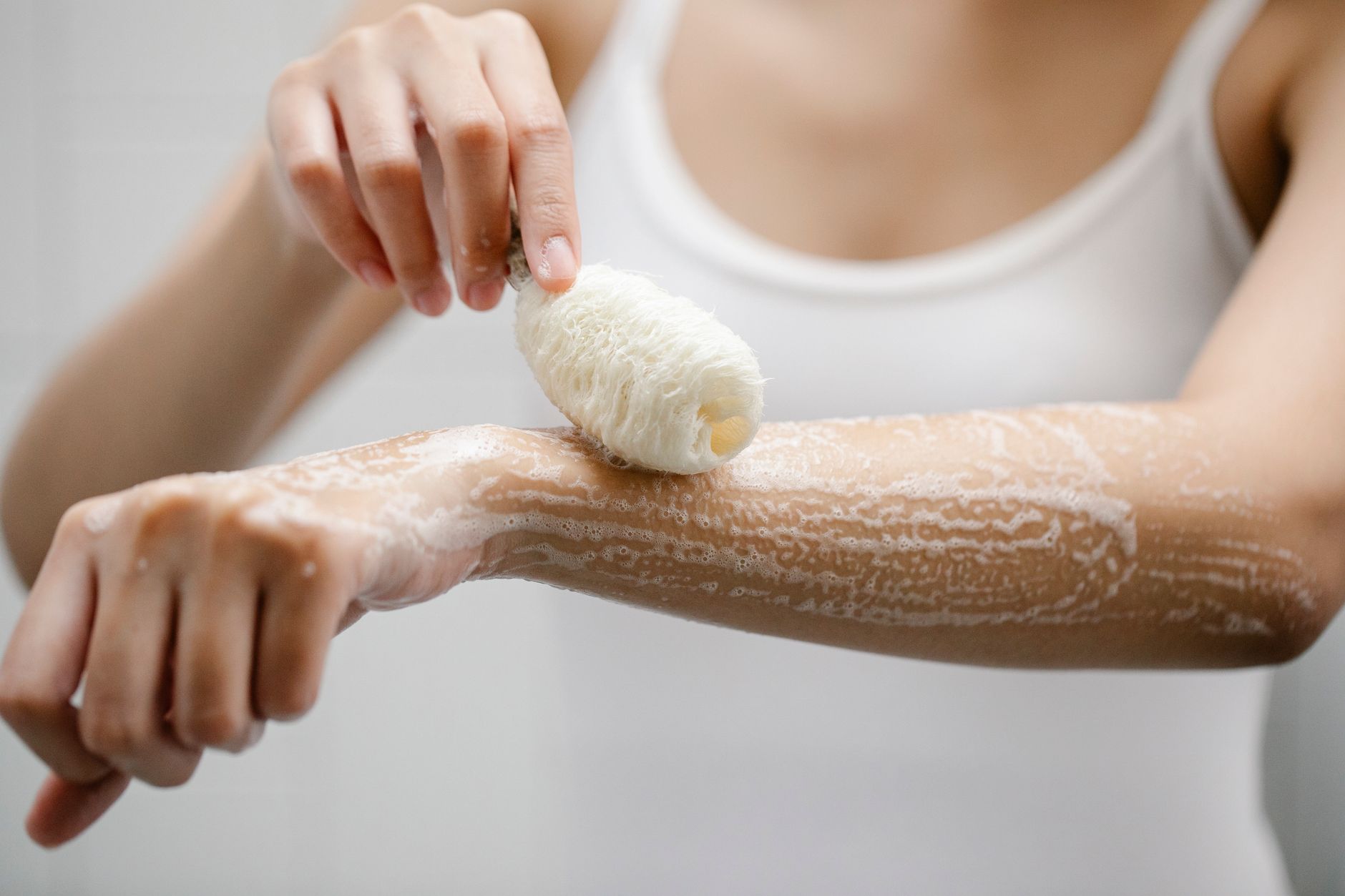
We all have our shower routines, and for many of us, that includes a favorite soap. Perhaps you’ve always reached for that smooth, scented bar soap, or maybe you can’t imagine a shower without a loofah and a bottle of body wash. But have you ever stopped to wonder which is actually better for your skin? The war between bar soap and body wash has been going on for ages, and each contender has its own set of advantages and disadvantages. Let’s dive in and figure out if it’s time to make a switch in your cleansing routine.
At their core, both bar soap and body wash aim to do one thing: remove dirt and grime from your skin’s surface. The magic happens through their ingredients and how they work to lift away impurities. Your skin naturally produces oils, and when sweat and dirt mix with these oils, they can settle on your skin and potentially harbor bacteria. Both types of cleansers work to break down this oily layer and lift away unwanted elements.
However, the real differences emerge in their formulations and the additional benefits they might offer. Body washes, in particular, often contain a blend of ingredients specifically designed to address common skin concerns. Think about dryness, pesky clogged pores, or skin that feels perpetually flaky after a wash. Body washes often include moisturizing agents that help replenish the moisture that cleansing can sometimes strip away.
What about shower gel? You can think of shower gel as a thinner, less hydrating version of body wash. It tends to rinse off more easily and doesn't linger on the skin in the same way, focusing more on cleansing without the added moisturizing punch of a body wash.
Bar soap has been around for centuries, and its basic function is straightforward. It works by dissolving the dirt and oil on your skin. When you lather bar soap, it creates suds that help lift away impurities. While effective, some bar soaps can be quite alkaline, which might strip the skin of its natural oils, potentially leading to dryness or irritation for some individuals. However, many modern bar soaps are formulated to be milder and more moisturizing.
Body wash is a liquid cleanser that typically contains a blend of surfactants (cleansing agents), emollients, and humectants. Surfactants help create lather and lift dirt, while emollients and humectants work to hydrate and soften the skin. This makes body wash a popular choice for those who experience dry or sensitive skin. Many body washes are also formulated with specific ingredients to target conditions like acne, eczema, or rosacea.
Shower gels are similar to body washes but are generally thinner in consistency and contain fewer moisturizing ingredients. They are excellent for a quick, refreshing cleanse and often have a lighter, more gel-like texture. If your primary goal is simply to rinse away sweat and surface dirt without adding significant moisture, a shower gel might be your go-to.
There are definitely situations where opting for a body wash or shower gel makes more sense for your skin’s needs.
Let’s consider a common scenario: Priya notices her skin becomes uncomfortably dry and itchy every winter, especially after her daily shower. Her usual bar soap seems to be making it worse. Her friend suggests she try a moisturizing body wash formulated for dry skin. After switching, Priya is delighted to find her skin feels much more comfortable and less irritated throughout the day.
Despite the advancements in body washes, bar soap still holds its ground in certain areas.
Regardless of whether you choose bar soap or body wash, being aware of certain ingredients is beneficial.
The
Overall, early action and medically verified advice remain the safest approach.
Visit Hospital
Near You
Locate top renal specialists in Khagaria for expert diagnosis and treatment of kidney diseases. Ensure optimal kidney health.
May 19, 2026
Discover how to find the best surgeon in Munger. Learn key factors to consider for safe and effective surgical treatment.
May 18, 2026
Access reliable home doctor visits in Pune. Get expert medical care, diagnosis, and treatment without leaving your home.
April 26, 2026