

Emergency & Help
24/7 Emergency & General Advisory
🚨 24/7 Medical Emergency
Non-Emergency Advisory
10:00 AM – 6:00 PM, Mon–Sat
For appointments & general queries.
24/7 Emergency & General Advisory
🚨 24/7 Medical Emergency
Non-Emergency Advisory
10:00 AM – 6:00 PM, Mon–Sat
For appointments & general queries.
Explore the popular trend of using beer for hair care. Discover the potential benefits, how to try it, and what science says about its effectiveness for shine and strength.
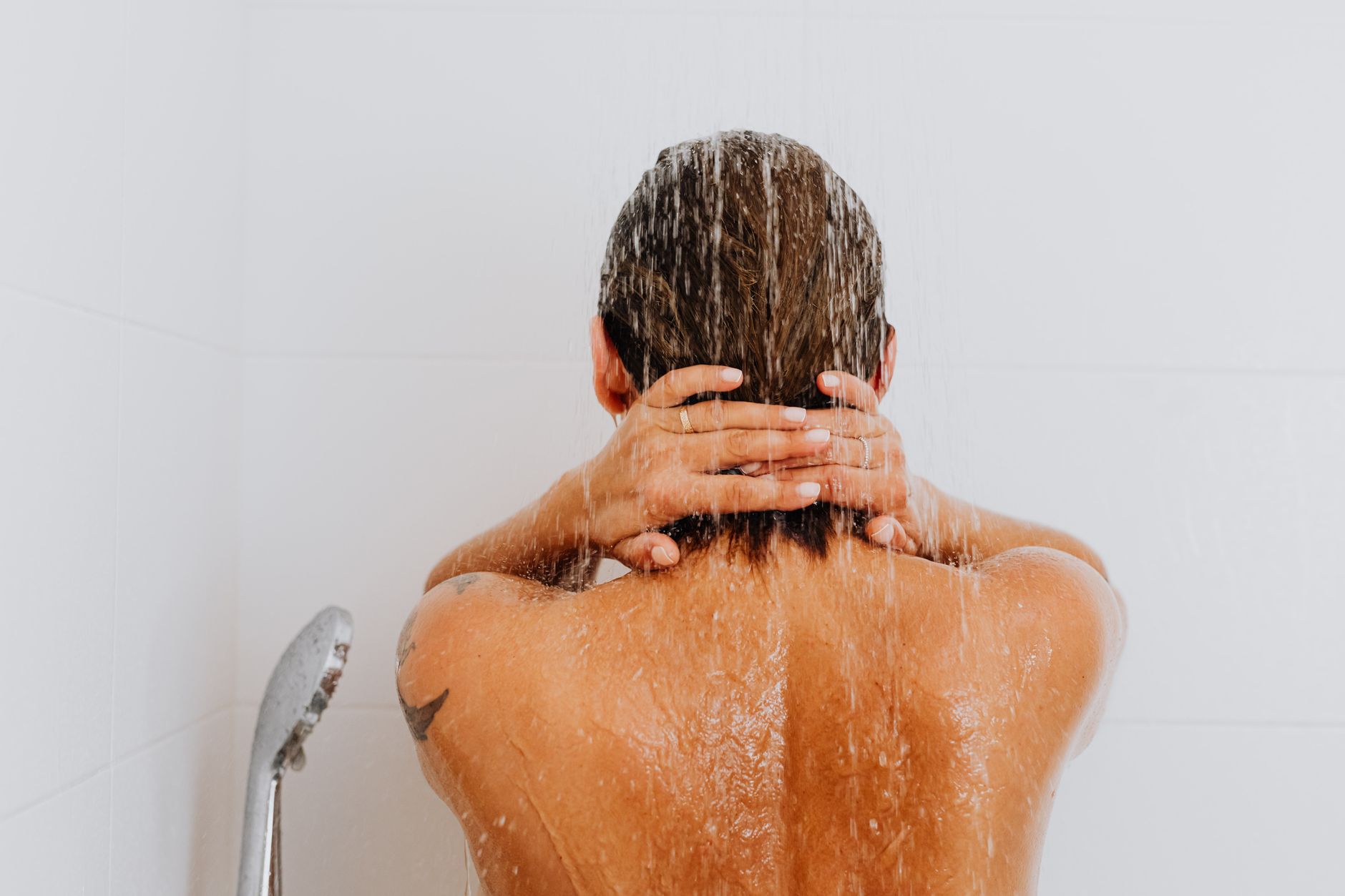
The idea of pouring a cold one on your hair might sound unusual, but in recent years, many people have started using beer as a hair rinse or treatment. From microbreweries popping up everywhere to social media buzzing with DIY beauty hacks, beer has made its way from the pub to the bathroom sink. But does this popular beverage really offer benefits for your hair, or is it just another fleeting trend? Let's dive into what science says and what people are trying.
While you might enjoy a good pint, the thought of using it on your locks might raise an eyebrow. Some believe that the ingredients in beer, like malt and hops, can strengthen and nourish hair follicles, leading to shinier, healthier-looking hair. Others even suggest it could promote hair growth. But before you reach for that bottle, it's important to understand what's really going on.
Beer is made from a few simple ingredients: water, a starch source like malted barley, brewer's yeast for fermentation, and flavorings like hops. It also contains trace amounts of essential nutrients that are important for overall health, and by extension, hair health. Let's look at some of these:
Iron plays a vital role in producing hemoglobin, the protein in red blood cells responsible for carrying oxygen throughout your body, including to your hair follicles. When your iron levels are low, your body can't produce enough hemoglobin, which can impact hair cell growth and repair. In fact, a study from 2009 linked iron deficiency to telogen effluvium, a condition causing temporary hair loss. So, while beer contains iron, it's more about ensuring adequate intake through diet than topical application.
Selenium is a mineral that's essential for many bodily functions. A study in 2007 suggested that a deficiency in selenium could lead to hair loss, specifically alopecia areata, an autoimmune condition. Interestingly, selenium is also found in many dandruff shampoos. Research from 2006 indicated that selenium could be beneficial in reducing dandruff, a common scalp issue.
If you're experiencing hair loss, it's worth considering your zinc levels. Research from 2019 suggests that alopecia can be a sign of zinc deficiency. Getting enough zinc is crucial for cell growth and repair, including the cells that make up your hair.
It’s worth noting that while these nutrients are present in beer, the amounts are typically trace. More research is needed to definitively link the specific amounts of these nutrients found in beer to direct benefits for hair when applied topically or even consumed in moderate amounts.
Despite the lack of strong scientific backing for topical beer applications, many people swear by it. They often use beer in a few different ways:
This is perhaps the most common method. The idea is that after washing and conditioning your hair, you use flat beer as a final rinse.
Some variations suggest adding ingredients like apple cider vinegar, lemon juice, or jojoba oil to the beer rinse to enhance its effects.
For a more intensive treatment, some people create a beer hair mask.
These methods are often shared in online beauty forums and social media, with users reporting improvements in hair shine, strength, and even volume.
While beer might seem like a harmless DIY treatment, there are a few things to consider:
Currently, there is no robust scientific evidence to prove that applying beer directly to your hair offers significant benefits for hair growth, strength, or shine. The potential benefits are largely based on the nutrients found in beer, which are more reliably obtained through a balanced diet. The malt and hops proteins, often cited as beneficial, have not been scientifically proven to bind to or improve hair structure when applied topically.
However, many people continue to use beer for their hair and report positive results. This could be due to a few factors:
A Real-Life Scenario: Priya, a busy mother of two, noticed her hair becoming dull and brittle after a stressful period. She’d read online about beer rinses and decided to try it, hoping for a quick fix before a family wedding. After a few weeks of weekly beer rinses, she felt her hair looked shinier and felt softer, attributing the change solely to the beer. While the beer might have contributed, the relaxation from the self-care ritual and perhaps a general improvement in her diet could also be factors.
If you're curious and want to try a beer rinse or mask, it's generally safe to do so, provided you don't have sensitive skin or scalp issues. Ensure you use flat beer to minimize the smell and rinse thoroughly with cool water. Don't expect miraculous hair growth or a cure for hair loss, but you might enjoy a temporary boost in shine and softness.
For proven hair health:
If you are experiencing significant hair loss, thinning, or scalp problems, it's always best to consult a doctor or a dermatologist. They can help identify the underlying cause and recommend the most effective treatments tailored to your specific needs.
There's no strong scientific evidence that beer shampoo works for significant hair benefits like growth or strength. While it might offer temporary shine or softness for some, it's not a scientifically proven treatment.
Lighter beers like lagers or ales are often recommended because they tend to have less sugar and a less overpowering smell compared to darker, heavier beers. Letting the beer go flat is crucial regardless of the type.
Most people try using a beer rinse about once a week or once every two weeks. Using it too often might not be necessary and could potentially lead to dryness or stickiness if not rinsed properly.
The smell can be a concern. Letting the beer go completely flat and rinsing your hair thoroughly with cool water afterwards helps minimize the beer odor. Some people also follow up with their regular conditioner to mask any residual scent.
Visit Hospital
Near You
Locate top renal specialists in Khagaria for expert diagnosis and treatment of kidney diseases. Ensure optimal kidney health.
May 19, 2026
Discover how to find the best surgeon in Munger. Learn key factors to consider for safe and effective surgical treatment.
May 18, 2026
Access reliable home doctor visits in Pune. Get expert medical care, diagnosis, and treatment without leaving your home.
April 26, 2026