

Emergency & Help
24/7 Emergency & General Advisory
🚨 24/7 Medical Emergency
Non-Emergency Advisory
10:00 AM – 6:00 PM, Mon–Sat
For appointments & general queries.
24/7 Emergency & General Advisory
🚨 24/7 Medical Emergency
Non-Emergency Advisory
10:00 AM – 6:00 PM, Mon–Sat
For appointments & general queries.
Discover if brushing your lips with a toothbrush is safe and beneficial. Learn effective techniques, risks to avoid, and tips for maintaining healthy, smooth lips.
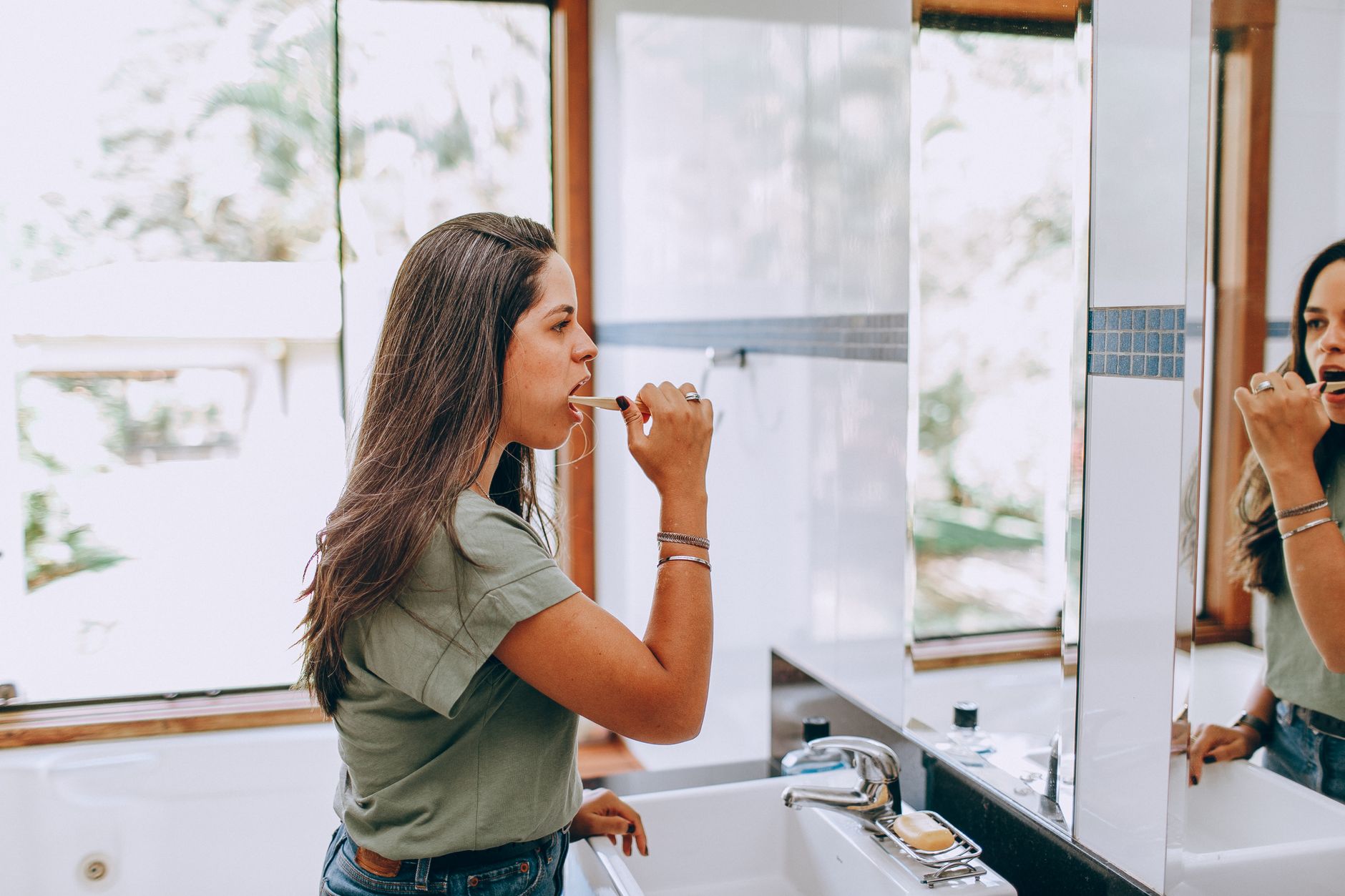
The next time you're tidying up your oral hygiene routine, you might wonder if your toothbrush has a role beyond your teeth. Specifically, can you brush your lips with a toothbrush? It’s a question that pops up when we’re looking for simple, at-home solutions for common concerns like dry, flaky lips. The good news is, gently using a soft toothbrush on your lips can offer some surprising benefits, but it’s essential to approach this with care to avoid doing more harm than good. We’ll explore how this simple act might help, what precautions to take, and when it’s best to seek professional advice.
Your lips, unlike the rest of your skin, don't have oil glands to keep them naturally moisturised. This makes them particularly vulnerable to dryness and chapping, especially in changing weather conditions or due to dehydration. Gently brushing your lips with a soft toothbrush can act as a form of exfoliation, much like exfoliating your face. Here’s what it can achieve:
The key word here is gentle. The skin on your lips is significantly thinner and more sensitive than the skin on other parts of your body. Over-exfoliating can lead to irritation, redness, and even more dryness. Follow these steps for a safe and effective lip scrub:
Just as important as knowing how to do it is knowing what not to do. To protect your delicate lip skin:
Consider Priya, a young professional living in Delhi, who always struggles with dry, flaky lips, especially during the dry winter months. She tried various lip balms, but her lips often felt worse. One of her friends suggested gently brushing her lips with a soft toothbrush after applying a bit of honey. Priya was hesitant but decided to try it once a week. She found that by gently massaging a thin layer of honey with her toothbrush and then rinsing and applying a rich balm, her lips started to feel significantly smoother and less prone to chapping. She made sure to only do it once a week and stopped if she felt any hint of irritation.
You might have heard that brushing your lips can make them appear fuller. While the increased blood flow from gentle brushing might cause a temporary, subtle plumping effect, there is no scientific evidence to suggest that brushing your lips with a toothbrush will lead to permanently larger lips. Attempting to achieve fuller lips through aggressive brushing will likely result in irritation and damage to the delicate skin.
While gentle lip exfoliation can be beneficial, consistent daily care is key to maintaining healthy, soft lips. Incorporate these habits:
While brushing your lips can help with mild dryness and flakiness, it’s important to know when to seek professional medical advice. Consult a doctor or dermatologist if you experience:
It's best to limit lip brushing to once a week at most. The skin on your lips is very delicate, and over-exfoliating can cause irritation and dryness.
If you experience irritation, redness, or increased dryness, stop brushing your lips immediately. Apply a soothing, unscented lip balm with nourishing ingredients like shea butter or coconut oil. Avoid any further exfoliation until your lips have fully healed.
It's generally not recommended. Facial scrubs can be too abrasive for the delicate skin on your lips. If you want to exfoliate, use a very soft toothbrush with a gentle, specifically formulated lip scrub or a mild DIY option like honey or finely ground oatmeal mixed with oil.
Yes, if you have sensitive lips, avoid balms with strong fragrances, menthol, camphor, salicylic acid, or alcohol, as these can cause dryness or irritation. Always check the ingredient list.
In winter, focus on hydration (drink water!), use a thick, occlusive lip balm regularly, protect your lips from cold wind by covering them with a scarf, and avoid licking your lips. Gentle exfoliation once a week can also help manage dryness.
Visit Hospital
Near You
Locate top renal specialists in Khagaria for expert diagnosis and treatment of kidney diseases. Ensure optimal kidney health.
May 19, 2026
Discover how to find the best surgeon in Munger. Learn key factors to consider for safe and effective surgical treatment.
May 18, 2026
Access reliable home doctor visits in Pune. Get expert medical care, diagnosis, and treatment without leaving your home.
April 26, 2026