

Emergency & Help
24/7 Emergency & General Advisory
🚨 24/7 Medical Emergency
Non-Emergency Advisory
10:00 AM – 6:00 PM, Mon–Sat
For appointments & general queries.
24/7 Emergency & General Advisory
🚨 24/7 Medical Emergency
Non-Emergency Advisory
10:00 AM – 6:00 PM, Mon–Sat
For appointments & general queries.
Discover how to create a personalized hair care routine based on your hair type, texture, and concerns. Learn about cleansing, conditioning, detangling, and product selection for healthy, vibrant hair.
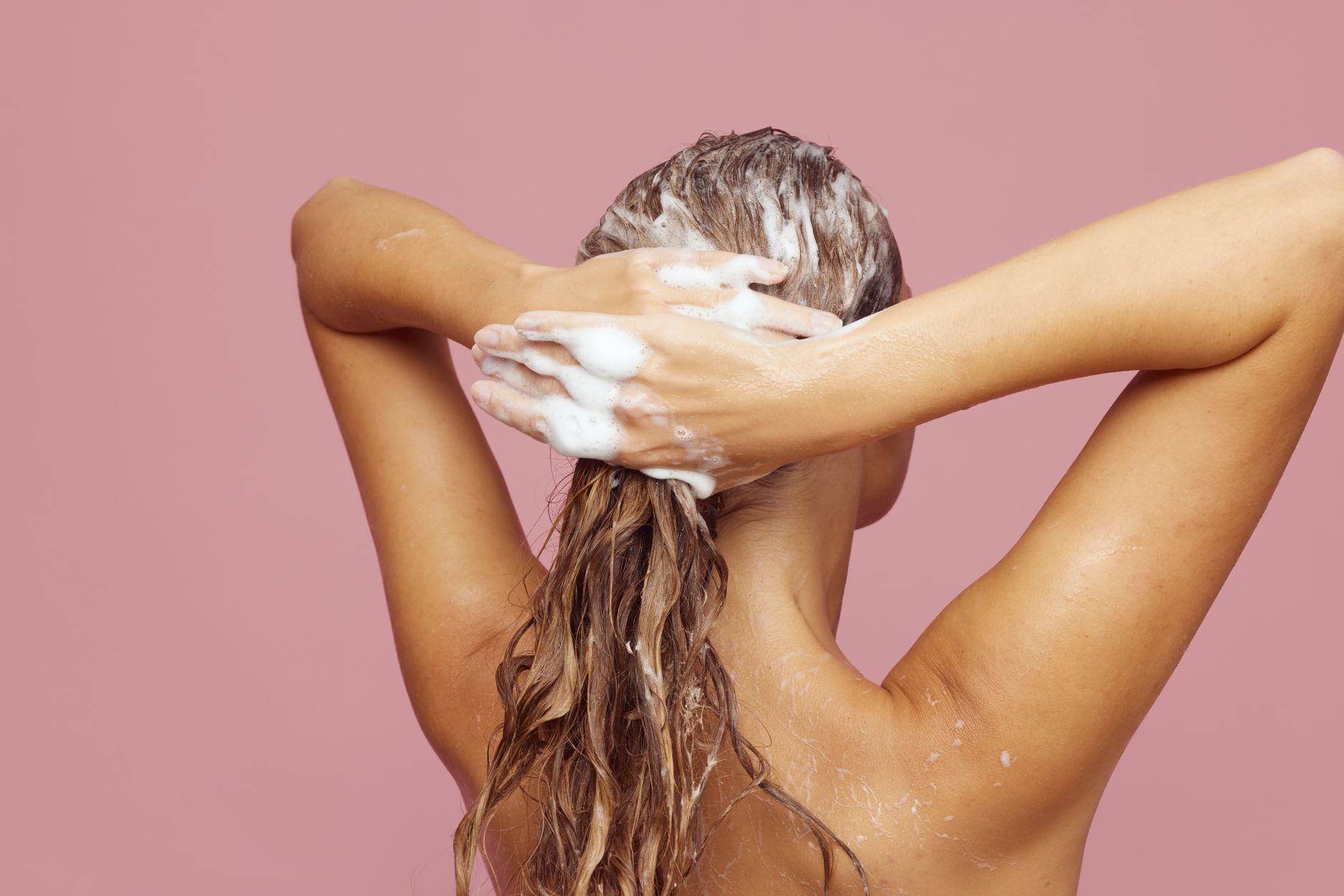
Taking care of your hair might seem like a complex puzzle, but it doesn't have to be. Just like your skin, your hair needs a consistent and tailored routine to stay healthy, look its best, and feel vibrant. Many people struggle to find the right approach, especially with the sheer volume of products and advice available. This guide aims to simplify the process, helping you understand the key factors that influence your hair's needs and how to build a routine that truly works for you. We'll break down everything from understanding your hair type to choosing the right products and techniques, ensuring you achieve the luscious locks you desire. Your hair's unique characteristics are the foundation of any effective hair care routine. Think about its natural texture – is it fine and straight, thick and wavy, or coarse and curly? This texture plays a significant role in how your hair behaves. For instance, straight hair often appears greasier faster than curly hair because natural oils can travel down the hair shaft more easily. Understanding these nuances is the first step towards selecting the right shampoo, conditioner, and styling methods. Another critical factor is whether your hair has undergone any chemical treatments. Bleaching, dyeing, perms, or relaxers can significantly alter your hair's structure and moisture levels. If you have coloured hair, you'll want to use products that help preserve the colour and prevent premature fading. Bleached hair, in particular, might need extra love in the form of deep conditioners or nourishing hair masks to combat dryness and brittleness. Pay attention to how your hair feels and reacts after washing and styling; this will offer clues about what it needs. Consider your daily styling habits too. Do you frequently use heat styling tools like blow dryers, straighteners, or curling irons? These can cause heat damage, leading to dryness, breakage, and split ends. If you're a heat-styling enthusiast, incorporating heat protectant sprays is non-negotiable. Perhaps you prefer to wear your hair naturally most days. Embracing your natural texture is wonderful, but it still requires a tailored approach to manage frizz, add moisture, and maintain its health. Your lifestyle and how you choose to present your hair daily are integral to your routine. Finally, address any specific concerns you might have. Common issues include frizz, a dry or flaky scalp, thinning hair, or dullness. Identifying these problems allows you to target them with specific treatments and products. For example, a flaky scalp might benefit from a medicated shampoo or a scalp serum, while frizz can often be managed with moisturizing conditioners and anti-frizz serums. Don't be discouraged if your hair isn't perfect; most people have at least one aspect they wish to improve. The key is to find solutions that work for your hair's unique needs. While individual needs vary, every successful hair care routine shares some fundamental components. These are the building blocks upon which you'll construct your personalized regimen. The Core Pillars of Hair Care At its heart, a good hair care routine revolves around cleansing, conditioning, and managing your hair's moisture levels. These steps, when performed correctly, ensure your hair remains clean, hydrated, and protected. Cleansing: More Than Just Washing Cleansing, or shampooing, is essential for removing buildup. This includes not just dirt and grime but also dead skin cells from your scalp and residue from styling products. If you don't cleanse regularly, sebum (your scalp's natural oil) can accumulate, making your hair look greasy and feel heavy. For swimmers, removing chlorine after a dip is also vital, as chlorine can strip hair of its natural moisture and cause damage over time. The goal of cleansing is to remove impurities without stripping your hair of its natural, beneficial oils. Finding the right shampoo frequency is key – washing too often can lead to dryness, while washing too infrequently can cause scalp issues and greasiness. Conditioning: Hydration and Protection Conditioners are your hair's best friend for moisture and manageability. Their primary role is to replenish the hydration that shampoo might have removed. Conditioners contain ingredients, often cationic surfactants, that coat the hair shaft, smoothing the cuticle and improving its texture. This results in softer, shinier hair that is less prone to tangles and frizz. For particularly dry or damaged hair, a deep conditioner or a hair mask used weekly can provide an intensive boost of moisture and repair. Moisturize and Seal: Locking in Hydration A technique particularly beneficial for dry, coarse, or coily hair types is 'moisturize and seal'. This involves applying a water-based moisturizer first, followed by a sealing product, typically an oil or butter. The moisturizer provides hydration, while the sealant locks it in, preventing moisture loss throughout the day. This two-step process is highly effective in maintaining hydration for hair that tends to dry out quickly. Detangling: Preventing Breakage Detangling is a crucial step to prevent breakage and make your hair easier to manage. It's best done when hair is damp and has conditioner or a detangling spray applied. Use a wide-tooth comb or your fingers, starting from the ends and gently working your way up towards the roots. Rushing this process or using a brush on tangled, dry hair can lead to unnecessary breakage and damage. The frequency of detangling depends on your hair type; curly and coily hair might need daily attention, while straighter hair may only require it after washing. Building Your Personalized Hair Care Routine Now that you understand the basic components, let's tailor them to your specific hair needs. Here’s how to approach building a routine: Step 1: Identify Your Hair Type and Texture As mentioned, hair types range from fine to coarse, and textures from straight to coily. Observe your hair when it's clean and air-dried. Does it lie flat? Does it have a distinct wave or curl pattern? Is it thick and heavy, or fine and prone to falling flat? Knowing this helps you choose products formulated for your specific needs. For example, fine hair might benefit from volumizing shampoos and lightweight conditioners, while coarse hair often needs richer, more moisturizing formulas. Step 2: Assess Your Scalp Condition Your scalp health directly impacts your hair's health. Is your scalp dry and flaky, oily, sensitive, or prone to itching? If you have dandruff or persistent dryness, you may need a specialized shampoo or scalp treatment. For an oily scalp, a clarifying shampoo used occasionally can help manage excess oil. If you experience persistent irritation or discomfort, it's wise to consult a dermatologist. Step 3: Consider Your Hair's History and Concerns Have you colored, bleached, or chemically treated your hair? Does it tend to frizz, break easily, or feel dry and brittle? Be honest about your hair's history and any issues you want to address. This information will guide your product selection. Chemically treated hair often requires sulfate-free shampoos and deep conditioning treatments. For frizz, look for smoothing serums and leave-in conditioners. For breakage, focus on strengthening treatments and minimizing heat styling. Step 4: Choose the Right Products Based on the above steps, select your shampoo, conditioner, and any treatments. Look for ingredients that cater to your needs. For instance, ingredients like hyaluronic acid, glycerin, and shea butter are excellent for moisture. Proteins like keratin can help strengthen damaged hair. Avoid harsh sulfates (like Sodium Lauryl Sulfate) if your hair is dry, colored, or chemically treated, as they can strip natural oils. Step 5: Determine Washing Frequency There's no one-size-fits-all answer. Fine, straight, or oily hair might require washing every day or every other day. Coarser, curlier, or drier hair can often go longer between washes, perhaps two to three times a week, or even less. Listen to your hair and scalp. If it feels clean and balanced, you've found your rhythm. Over-washing can strip natural oils, while under-washing can lead to buildup. Step 6: Incorporate Treatments Add treatments like hair masks, deep conditioners, or scalp serums as needed. These are typically used weekly or bi-weekly to provide targeted care. For example, a protein treatment can help rebuild damaged hair structure, while a hydrating mask can quench thirsty strands. Step 7: Styling and Protection If you use heat tools, always apply a heat protectant spray beforehand. Consider air-drying your hair whenever possible. For styling, use products that complement your hair type and desired look, keeping in mind their potential impact on hair health. A Common Scenario Priya, a working professional in Mumbai, noticed her hair was becoming increasingly dry and frizzy, especially after using heat stylers for her office presentations. Her scalp also felt a bit itchy. She realized her current shampoo and conditioner, which were basic supermarket brands, weren't addressing her specific needs. After assessing her wavy, slightly dry hair and considering her daily heat styling, she decided to switch to a sulfate-free, moisturizing shampoo and a rich conditioner. She also started using a heat protectant spray religiously and incorporated a deep conditioning hair mask once a week. Within a month, she noticed a significant reduction in frizz and dryness, and her scalp
In summary, timely diagnosis, evidence-based treatment, and prevention-focused care improve long-term health outcomes.
Visit Hospital
Near You
Locate top renal specialists in Khagaria for expert diagnosis and treatment of kidney diseases. Ensure optimal kidney health.
May 19, 2026
Discover how to find the best surgeon in Munger. Learn key factors to consider for safe and effective surgical treatment.
May 18, 2026
Access reliable home doctor visits in Pune. Get expert medical care, diagnosis, and treatment without leaving your home.
April 26, 2026