

Emergency & Help
24/7 Emergency & General Advisory
🚨 24/7 Medical Emergency
Non-Emergency Advisory
10:00 AM – 6:00 PM, Mon–Sat
For appointments & general queries.
24/7 Emergency & General Advisory
🚨 24/7 Medical Emergency
Non-Emergency Advisory
10:00 AM – 6:00 PM, Mon–Sat
For appointments & general queries.
Explore the effectiveness of Airborne for cold prevention. Learn about its ingredients, scientific backing, and the proven strategies for staying healthy during cold season.
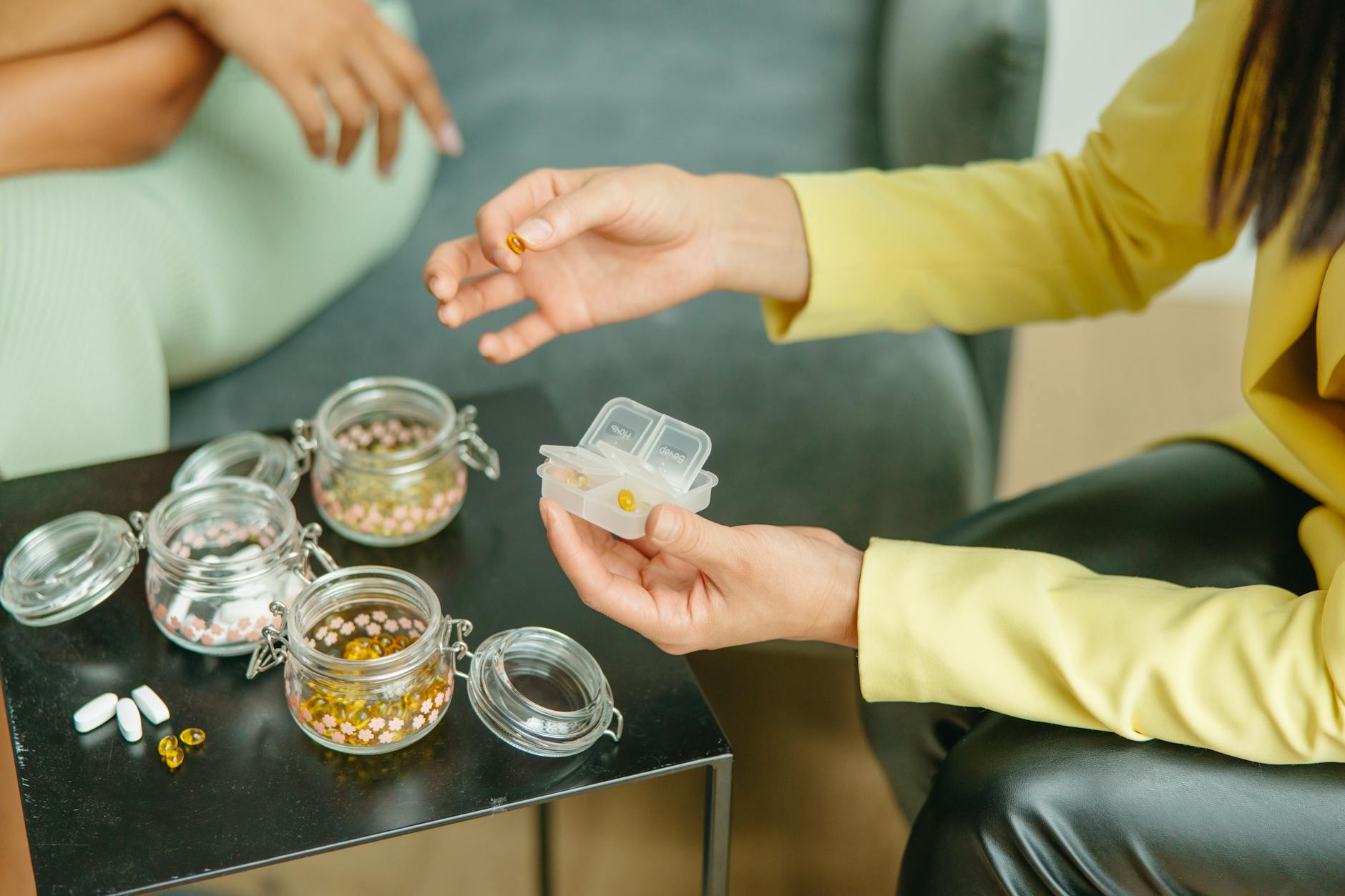
The common cold. It’s a familiar nuisance, isn’t it? That scratchy throat, the persistent sniffles, the general feeling of being under the weather. For years, many of us have looked for ways to ward it off, and that’s where products like Airborne come into the picture. When Airborne first appeared on the market back in 1999, its claims were bold: it could prevent or even cure the common cold. This led to significant controversy and even a class-action lawsuit, resulting in a settlement where the company agreed to stop advertising it as a cold cure and to offer refunds. Today, Airborne has transitioned its marketing, now promoting itself as an immune-boosting supplement. But does it truly help you fight off those pesky colds? Let's explore what the science says and what practical steps you can take for real cold prevention.
Airborne comes in various forms, from powders you mix with water to chewable gummies. While the exact formulations might vary slightly, some common ingredients often found include:
It's important to understand that Airborne is classified as a dietary supplement by the Food and Drug Administration (FDA). This classification means that manufacturers don't have to undergo the same rigorous research and testing that pharmaceutical drugs do to prove their efficacy. They don't need to present extensive clinical trials to the FDA before marketing their product.
The initial claims that Airborne could cure or prevent colds were not supported by strong scientific evidence. While ingredients like Vitamin C and Zinc are known to play roles in immune health, their ability to definitively prevent or shorten the duration of a common cold when taken in supplement form is not conclusively proven.
Echinacea: You might see echinacea in the ingredient list. While some people believe it helps boost the immune system, a 2019 research review looking at echinacea and upper respiratory infections didn't find a clear link between taking it and reducing how often or how long people had colds.
Zinc: Oral zinc, like lozenges or syrups, might help shorten a cold if you start taking it right when symptoms begin. However, using zinc for a long time or in nasal sprays is not recommended, as it can cause stomach upset, nausea, and even affect your sense of smell.
The manufacturers of Airborne now market it as an immune-boosting supplement, which is a less specific claim. Because it's a supplement, they aren't required to provide robust scientific proof that it definitively boosts immunity or prevents colds. This leaves consumers to make their own decisions based on available information and personal experiences.
Airborne isn't the only product on the market claiming to help with colds. Zicam is another brand that offers various products, including chewable tablets and nasal swabs. The key ingredient in many Zicam products is zinc, often in the form of zinc acetate or zinc gluconate.
Zicam's claims often rest on homeopathic evidence rather than conventional medical evidence. Similar to Airborne, Zicam products haven't been backed by extensive, universally accepted medical research that proves their effectiveness in fighting colds. It's always wise to look beyond the marketing claims and consider the underlying evidence.
Imagine this: It's Monday morning, and your colleague, who had a slight cough on Friday, is now sneezing non-stop at their desk. You start to feel a tickle in your own throat. You've been taking Airborne gummies daily, hoping to avoid getting sick. Now you wonder if it's really helping, or if you should be more concerned about washing your hands more often.
While supplements might offer some perceived benefits, the most effective strategies for preventing colds are often the simplest and most well-established. These are the tried-and-true methods that medical professionals consistently recommend:
It's easy to dismiss symptoms as just a cold, but sometimes it can be something more serious, like the flu. Be aware of these signs:
If you experience any of these, it's a good idea to consult a doctor. They can provide an accurate diagnosis and recommend the appropriate treatment.
While most colds resolve on their own, there are times when you should seek medical attention. Don't hesitate to contact your doctor if:
A doctor can help determine if you have a common cold, the flu, or another condition that requires specific medical treatment.
A: The scientific evidence does not conclusively prove that Airborne prevents the common cold. While it contains vitamins and minerals that support immune health, its effectiveness as a cold preventive hasn't been scientifically validated.
A: For most healthy adults, taking Airborne as directed is generally considered safe. However, it's always best to follow the dosage instructions on the product label and consult with your doctor if you have any underlying health conditions or concerns.
A: The flu (influenza) often comes on more suddenly and severely than a cold. Flu symptoms typically include fever, body aches, and fatigue, which are less common or milder with a cold. Colds usually focus more on nasal congestion and sore throat.
A: Airborne is marketed as an immune-boosting supplement, not a treatment for active colds. While some ingredients might support your body's general functions, it hasn't been proven to shorten the duration or reduce the severity of cold symptoms once you're sick.
A: Focus on a healthy lifestyle: eat a balanced diet, get enough sleep, exercise regularly, manage stress, and practice good hygiene like frequent handwashing.
When it comes to preventing the common cold, Airborne isn't a magic bullet. While it contains vitamins and minerals that contribute to overall immune health, robust scientific evidence proving its ability to prevent or cure colds is lacking. The company has shifted its claims to
Overall, early action and medically verified advice remain the safest approach.
Visit Hospital
Near You
Locate top renal specialists in Khagaria for expert diagnosis and treatment of kidney diseases. Ensure optimal kidney health.
May 19, 2026
Discover how to find the best surgeon in Munger. Learn key factors to consider for safe and effective surgical treatment.
May 18, 2026
Access reliable home doctor visits in Pune. Get expert medical care, diagnosis, and treatment without leaving your home.
April 26, 2026