

Emergency & Help
24/7 Emergency & General Advisory
🚨 24/7 Medical Emergency
Non-Emergency Advisory
10:00 AM – 6:00 PM, Mon–Sat
For appointments & general queries.
24/7 Emergency & General Advisory
🚨 24/7 Medical Emergency
Non-Emergency Advisory
10:00 AM – 6:00 PM, Mon–Sat
For appointments & general queries.
Discover the benefits of double cleansing for clearer, healthier skin. Learn the step-by-step method, choose the right cleansers for your skin type, and understand why this popular technique works.
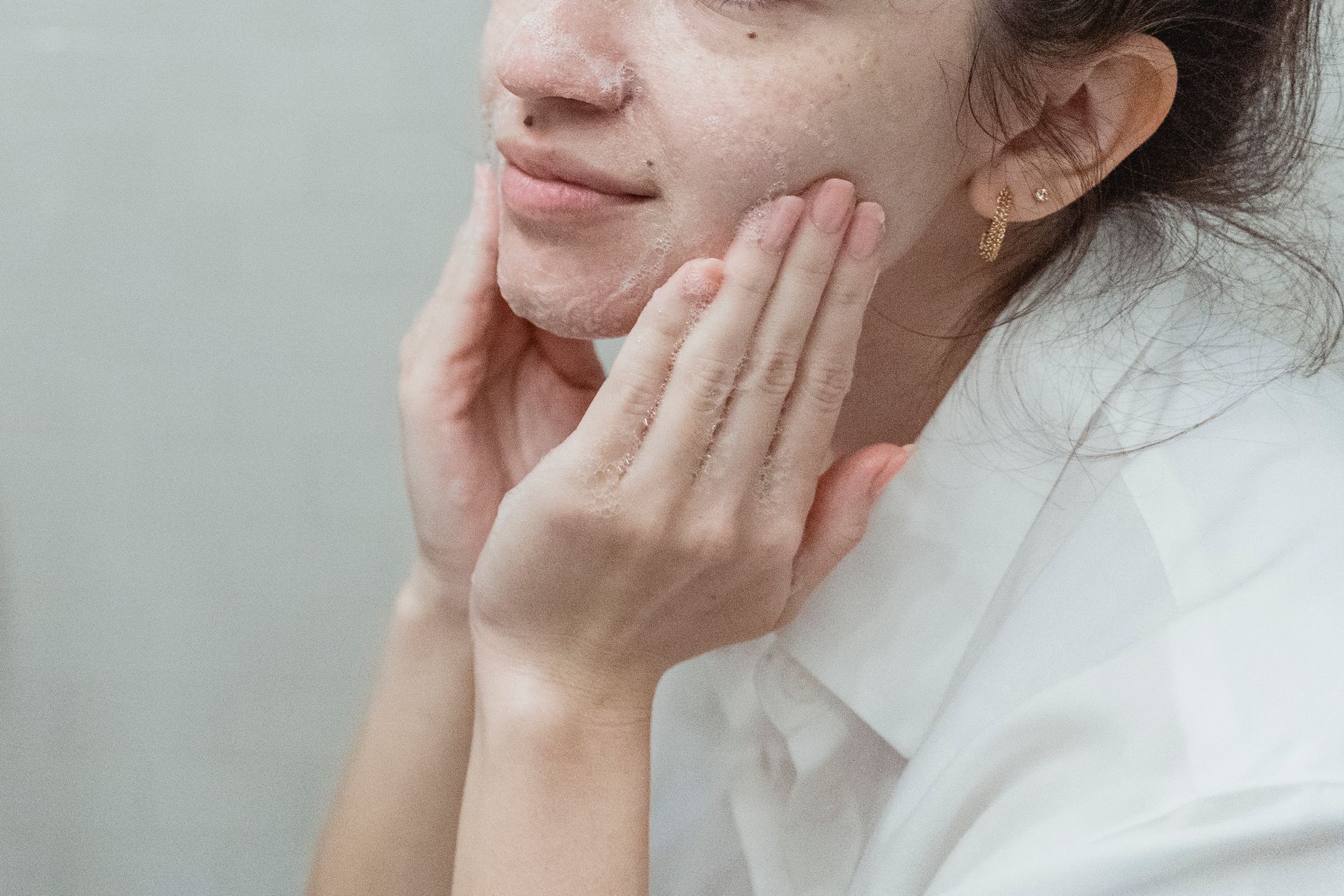
In the world of skincare, new trends emerge all the time. Some fade away, but others stick around because they truly work. Double cleansing is one of those techniques that has gained a massive following, moving from dedicated beauty enthusiasts to everyday users. But what exactly is double cleansing? Why add an extra step to your routine? And is it really for everyone? Let's explore this popular method to see if it’s the right fit for your skin. At its core, double cleansing is exactly what it sounds like: washing your face twice with two different cleansers. The magic happens because these two cleansers work together. Typically, you start with an oil-based cleanser, followed by a water-based one. This two-step approach is designed to tackle different types of impurities, leading to a more thorough clean than a single wash. Why Two Cleansers? The Science Behind the Method You might be wondering why one cleanse isn't enough. The reason lies in the different types of dirt and grime our skin encounters. Oil-based impurities, such as makeup, sunscreen, excess sebum (your skin's natural oil), and pollutants from the environment, don't always dissolve with just water. This is where the first cleanser comes in. An oil-based cleanser is formulated to attract and dissolve these oil-soluble impurities. Think of it like dissolves like. When you massage this cleanser into your skin, it effectively lifts away makeup, stubborn sunscreen, and the day's environmental buildup. This step is crucial because it clears the way for the second cleanser. After the oil-based cleanse, your skin is prepped for the water-based cleanser. This second step targets water-soluble impurities like sweat, dirt, and general grime that might remain. Because the oil-based residue and makeup have already been removed, the water-based cleanser can penetrate deeper into your pores, providing a truly refreshing and complete clean. This dual action not only ensures a cleaner complexion but can also help to revitalize dull skin and allow your subsequent skincare products, like serums and moisturisers, to absorb more effectively. Who Can Benefit Most from Double Cleansing? While double cleansing can be beneficial for many, it's particularly helpful for certain skin types and concerns. It’s not a mandatory step for everyone, but it can significantly improve results for those who need a deeper clean. Oily Skin: If you have oily skin, you might think that adding more cleansing steps would be counterproductive. However, using two *gentle* cleansers is often more effective than using one harsh cleanser that can strip your skin of its natural oils, leading to your skin producing even more oil to compensate. A gentle double cleanse helps manage excess oil without causing dryness. Acne-Prone Skin: For those prone to acne, a thorough cleanse is essential to remove pore-clogging impurities and bacteria. Double cleansing can help ensure that all traces of makeup, oil, and dirt are removed, reducing the likelihood of breakouts. It's important to choose non-comedogenic (won't clog pores) and gentle formulas. Heavy Makeup Wearers: If you regularly wear foundation, waterproof mascara, or long-lasting lipstick, a single cleanse might not be enough to remove everything. Double cleansing is highly effective at breaking down and removing all types of makeup, preventing residue from lingering on your skin. Sunscreen Users: Sunscreen is vital for skin health, but some formulas can be difficult to remove completely with just one cleanser. The first oil-based cleanse ensures all sunscreen is effectively removed, preventing potential pore-clogging and breakouts. A common scenario many face is waking up and finding makeup residue still on their cotton pad after their evening cleanse, especially around the hairline or under the eyes. This is a clear sign that a single cleanse might not be cutting it, and double cleansing could be the solution. The Origins: A Nod to Asian Skincare Traditions The practice of double cleansing has deep roots, particularly in Japanese and Korean skincare routines. For centuries, Japanese geishas used cleansing oils followed by foaming cleansers to meticulously remove their elaborate makeup. This time-tested technique has become a cornerstone of the popular Korean 10-step skincare regimen, which has gained global recognition and influenced Western beauty practices. How to Double Cleanse: A Step-by-Step Guide Mastering the double cleanse is simple. The key is to use two different types of cleansers and follow a specific order. Here’s how: Step 1: The Oil-Based Cleanse Choose Your Product: Select a cleansing oil or an oil-based balm. Ensure it's suitable for your skin type. If you have sensitive skin or are prone to breakouts, look for fragrance-free and non-comedogenic options. Application: Dispense a small amount of the oil cleanser into your dry palm. Gently massage it onto your dry face using circular motions for about a minute. Don't forget to include your hairline and the delicate eye area. Many oil cleansers are effective at removing eye makeup, but always check the product label. Rinsing: This is where emulsification comes in handy. If your oil cleanser contains an emulsifier (most do), it will turn milky when mixed with water. Use lukewarm water and your hands or a soft washcloth to rinse thoroughly. Avoid hot water, as it can strip your skin’s natural moisture. Step 2: The Water-Based Cleanse Keep Skin Damp: You don't need to fully dry your face after the first cleanse. Gently pat it with a towel, leaving it slightly damp. This helps the second cleanser work more effectively. Choose Your Product: Select a water-based cleanser. This could be a gentle foam cleanser, a gel cleanser, a cream cleanser, or a lotion cleanser. Again, choose one that suits your skin type and concerns. Look for cleansers with a pH level close to your skin's natural pH (around 5.5) to maintain balance. Avoid harsh sulfates, strong fragrances, and alcohol, which can be irritating. Application: Apply a small amount of the water-based cleanser to your damp face. Massage it gently using circular motions for about a minute, covering your entire face. Rinsing: Rinse thoroughly with lukewarm water. Drying: Gently pat your face dry with a clean, soft towel. Avoid rubbing, which can irritate the skin. When Should You Double Cleanse? Morning or Night? It's most common to double cleanse in the evening. This is when your skin has accumulated makeup, sunscreen, sweat, and environmental pollutants throughout the day. Removing these thoroughly before bed is essential for healthy skin and allows your night-time treatments to work better. However, you can also choose to double cleanse in the morning. During sleep, your skin produces sebum and sheds dead skin cells. A morning double cleanse can help remove this buildup, leaving your skin feeling fresh and revitalized for the day ahead. The best approach is to find a routine that fits your lifestyle and skin needs. If you miss a session, don't worry! Just get back on track the next day. Choosing the Right Cleansers for Your Skin Type The effectiveness of double cleansing relies heavily on selecting the right products for your individual skin. Here are some guidelines: For Dry or Sensitive Skin: Opt for gentle, hydrating oil cleansers (like those with jojoba or sunflower oil) and creamy or lotion-based water cleansers. Avoid harsh stripping agents. For Oily or Acne-Prone Skin: Look for lightweight cleansing oils or micellar waters as your first step. For the second step, choose gel or foaming cleansers that effectively remove excess oil and impurities without over-drying. Ingredients like salicylic acid can be beneficial for acne-prone skin, but use them cautiously. For Combination Skin: You might need to tailor your choices. Perhaps a lighter oil cleanser followed by a balanced gel cleanser. Experiment to see what works best. Always read product labels carefully and pay attention to ingredient lists. Prioritize pH-balanced formulas and avoid common irritants like sulfates, parabens, and artificial fragrances if your skin is sensitive. Common Myths and Facts About Double Cleansing Myth: Double cleansing is too harsh for sensitive skin. Fact: When using gentle, appropriate cleansers, double cleansing can actually be *less* harsh than using one strong cleanser. The key is selecting mild, pH-balanced formulas and avoiding stripping ingredients. Myth: You must use an oil cleanser as the first step. Fact: While oil-based cleansers are most common and effective for removing oil-based impurities, other first-step cleansers like micellar water can also be used. The principle is to use a cleanser that effectively breaks down makeup and sunscreen before your water-based cleanser. Myth: It's only necessary if you wear heavy makeup. Fact: While makeup wearers benefit greatly, double cleansing also helps remove sunscreen, pollution, and excess sebum, making it beneficial for almost everyone, especially those with oily or acne-prone skin. When to Consult a Doctor or Dermatologist While double cleansing is generally safe and beneficial, it's wise to consult a healthcare professional if you experience persistent skin issues. If you notice: Increased redness, irritation, or burning after cleansing Worsening acne or breakouts despite trying different gentle cleansers Any allergic reactions to products General confusion about your skin type or the best products for you A dermatologist can help diagnose underlying skin conditions, recommend
In summary, timely diagnosis, evidence-based treatment, and prevention-focused care improve long-term health outcomes.
Visit Hospital
Near You
Locate top renal specialists in Khagaria for expert diagnosis and treatment of kidney diseases. Ensure optimal kidney health.
May 19, 2026
Discover how to find the best surgeon in Munger. Learn key factors to consider for safe and effective surgical treatment.
May 18, 2026
Access reliable home doctor visits in Pune. Get expert medical care, diagnosis, and treatment without leaving your home.
April 26, 2026