

Emergency & Help
24/7 Emergency & General Advisory
🚨 24/7 Medical Emergency
Non-Emergency Advisory
10:00 AM – 6:00 PM, Mon–Sat
For appointments & general queries.
24/7 Emergency & General Advisory
🚨 24/7 Medical Emergency
Non-Emergency Advisory
10:00 AM – 6:00 PM, Mon–Sat
For appointments & general queries.
Explore the world of fish pedicures: understand the process, the Garra rufa fish, and the significant health risks and bans associated with this trendy treatment. Discover safer alternatives for smooth, healthy feet.
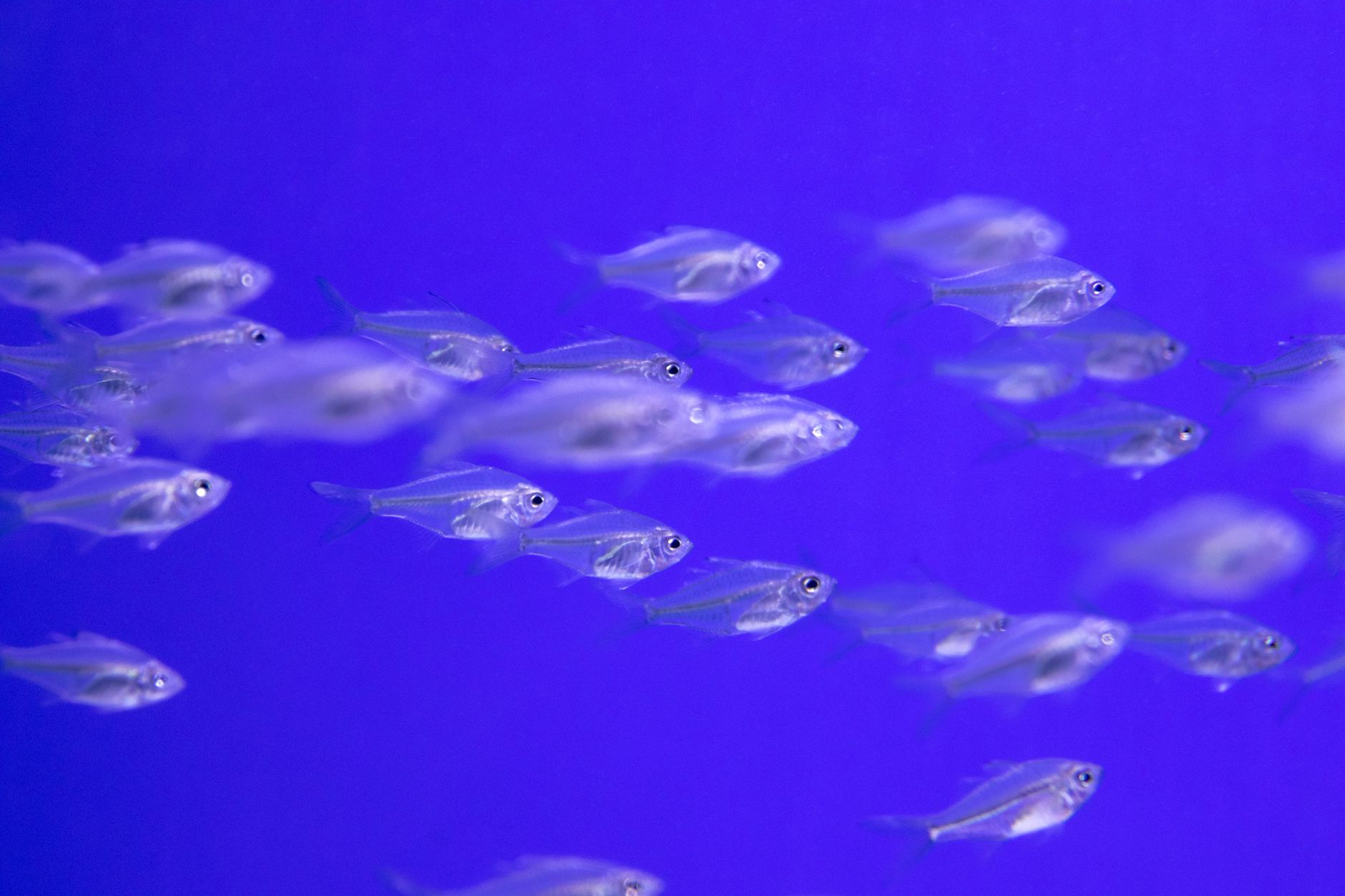
Imagine this: you sink your feet into a warm, inviting basin, and before you know it, tiny fish are nibbling away at dead skin, leaving your feet feeling incredibly smooth. Sounds like a dream, right? This is the allure of the fish pedicure, a unique beauty treatment that's gained traction globally. Originating from places like Turkey and other parts of the Middle East and Southeast Asia, these pedicures involve dipping your feet into water filled with Garra rufa fish, also known as 'doctor fish'. These little swimmers are famous for their ability to exfoliate feet by consuming dead skin, promising soft, callus-free skin and cleaner cuticles. The sensation is often described as a tickle rather than pain, making it an attractive, novel option for foot care. Many are drawn to this method because it feels less aggressive than traditional exfoliation techniques and offers a certain exotic appeal. It's a procedure that can leave your feet feeling remarkably rejuvenated, a stark contrast to rough, dry skin. The idea of natural exfoliation by tiny creatures is, for many, a fascinating and appealing concept. It taps into a desire for natural beauty treatments and a break from the mundane. The Growing Popularity of Fish Pedicures Fish pedicures have certainly carved out a niche in the beauty industry. Their popularity surged as they offered a unique, almost spa-like experience that combined relaxation with a visible result. The novelty factor is undeniable. In a world saturated with creams, scrubs, and tools, the idea of tiny fish doing the work is intriguing. This has led to their spread across continents, with salons offering this service becoming hotspots for those seeking something different. The visual of hundreds of tiny fish swarming around your feet can be quite mesmerizing, adding to the overall experience. For many, it's an adventure, a story to tell, and a chance to try something completely out of the ordinary. The promise of smooth, soft feet without any manual effort is a powerful draw. It’s a treatment that appeals to the senses and offers a unique form of pampering. The ticklish sensation is often part of the fun, adding a playful element to the therapeutic aspect. This trend has seen people flocking to salons, eager to experience the 'doctor fish' for themselves. The exotic origins and the natural approach to exfoliation contribute significantly to its charm. Understanding the Garra Rufa Fish The stars of the show are the Garra rufa fish. These small, toothless fish are native to the river basins of the Middle East and Southeast Asia. They have a natural instinct to seek out and consume dead skin. This behaviour is particularly pronounced when they are hungry, which is why ethical concerns arise about their feeding practices. In their natural habitat, they would have a varied diet, but in pedicure settings, their food source is often restricted to ensure they are motivated to 'work' on human skin. It's important to understand that these fish do not have teeth. This distinguishes them from other species that might be mistaken for Garra rufa. The confusion can be dangerous, as some similar-looking fish, like the Chinchin fish, do possess teeth and can cause painful bites, increasing the risk of infection. The Garra rufa's unique ability to exfoliate without causing harm is what makes them suitable for this specific treatment, but only under strict conditions. The Process: What to Expect So, what exactly happens during a fish pedicure? First, you'll typically be asked to wash your feet thoroughly to remove any lotions, oils, or debris. This is a crucial step for hygiene. Then, you'll be directed to a comfortable seating area where basins filled with water and Garra rufa fish are arranged. You simply slide your feet into the water. The fish, attracted by the dead skin, will begin to gather around your feet. You'll feel a gentle tickling sensation as they nibble away. The duration of the treatment can vary, but it's usually around 15 to 30 minutes. During this time, the fish work diligently, exfoliating the skin on your feet, ankles, and sometimes even your lower legs. The water is usually kept at a comfortable temperature. Some salons might offer additional services like a hand soak while your feet are being treated. The aim is to leave you with noticeably softer, smoother skin. It's a passive treatment; you just sit back and let the fish do their work. The experience is often quite relaxing, despite the unusual nature of the treatment. Potential Health Risks and Safety Concerns While the idea of a fish pedicure might sound appealingly natural and relaxing, there are significant health and safety concerns that cannot be ignored. These concerns have led to bans in many places, including at least 14 states in the US, as well as parts of Canada and Europe. One of the biggest challenges is sanitation. It is incredibly difficult, if not impossible, to properly sanitize the basins between clients. Unlike pedicure tools that can be sterilized, the fish themselves cannot be disinfected. This means that if one person has an infection, those pathogens can potentially be transferred to the next person through the water and the fish. This poses a serious risk of spreading infections. Infection Risks: Bacterial and Fungal There have been documented cases of infections following fish pedicures. One significant concern is the potential for staph infections, caused by pathogenic bacteria that can be present on the fish or in the water. Another serious risk is mycobacteriosis, a bacterial infection that can lead to rough, plaque-like skin lesions. This infection is particularly concerning as it can be difficult to treat. There's also a small but present risk of blood-borne diseases being transmitted if a client has an open cut or wound that bleeds into the basin. The shared water source creates a direct pathway for pathogens to spread from one person to another. The environment of the fish tank, with its constant exposure to human skin and bodily fluids, can become a breeding ground for bacteria and fungi if not meticulously maintained, which is a significant challenge. Nail and Skin Trauma Beyond infections, there are risks of physical trauma to the skin and nails. Reports of onychomadesis have surfaced, a condition where toenails can blacken and eventually fall off. This is thought to be due to the constant pressure or trauma from the fish nibbling at the nail beds. While Garra rufa are said to be toothless, the possibility of mistaking them for other species like the Chinchin fish, which do have teeth, adds another layer of danger. These bites can cause pain and further increase the risk of infection. The continuous nibbling, even if not biting, might irritate sensitive skin or cause micro-tears, leaving one vulnerable to microbial invasion. Ethical and Environmental Concerns The ethical treatment of the fish is another major point of contention. To ensure the fish are hungry enough to eat dead skin, they are often deprived of other food sources. This practice raises serious questions about animal welfare. Many Garra rufa fish are also not native to the regions where pedicures are offered, especially in North America. This leads to issues during transportation, with many fish dying en route. If these non-native fish are released into local waterways, they can become an invasive species, disrupting the delicate aquatic ecosystems. The demand for these fish has also led to overfishing and unsustainable farming practices in some areas, further impacting wild populations and their natural habitats. Are Fish Pedicures Banned? Yes, fish pedicures are banned in numerous locations due to the significant health and safety risks they pose. As mentioned, at least 14 states in the US have prohibited this practice. Similarly, several countries and regions, including parts of Canada, Mexico, and Europe, have also implemented bans. These bans are typically a direct response to the inability to ensure proper hygiene and prevent the spread of infections. Public health officials in these areas have concluded that the risks associated with fish pedicures outweigh any perceived benefits. The lack of a viable method for sanitizing the tanks and the fish themselves is the primary driver behind these legislative actions. It's a clear indication that regulatory bodies prioritize public health and safety over this particular beauty trend. Alternatives to Fish Pedicures If you're seeking smooth, healthy feet but are concerned about the risks of fish pedicures, thankfully, there are many excellent and safe alternatives available. Traditional pedicures performed by trained professionals in reputable salons are a great option. These services often include thorough exfoliation using scrubs, pumice stones, or electronic foot files, followed by moisturizing treatments. These methods are effective and can be performed in a hygienic environment where tools are properly sterilized between clients. Another highly recommended approach is to incorporate regular at-home foot care into your routine. Using a good quality foot scrub a couple of times a week can help remove dead skin. Following up with a rich foot cream, especially before bed, can keep your skin soft and hydrated.
In summary, timely diagnosis, evidence-based treatment, and prevention-focused care improve long-term health outcomes.
Visit Hospital
Near You
Locate top renal specialists in Khagaria for expert diagnosis and treatment of kidney diseases. Ensure optimal kidney health.
May 19, 2026
Discover how to find the best surgeon in Munger. Learn key factors to consider for safe and effective surgical treatment.
May 18, 2026
Access reliable home doctor visits in Pune. Get expert medical care, diagnosis, and treatment without leaving your home.
April 26, 2026