

Emergency & Help
24/7 Emergency & General Advisory
🚨 24/7 Medical Emergency
Non-Emergency Advisory
10:00 AM – 6:00 PM, Mon–Sat
For appointments & general queries.
24/7 Emergency & General Advisory
🚨 24/7 Medical Emergency
Non-Emergency Advisory
10:00 AM – 6:00 PM, Mon–Sat
For appointments & general queries.
Discover effective and gentle DIY makeup remover recipes using natural ingredients, perfect for all Indian skin types. Say goodbye to harsh chemicals and hello to glowing, healthy skin!
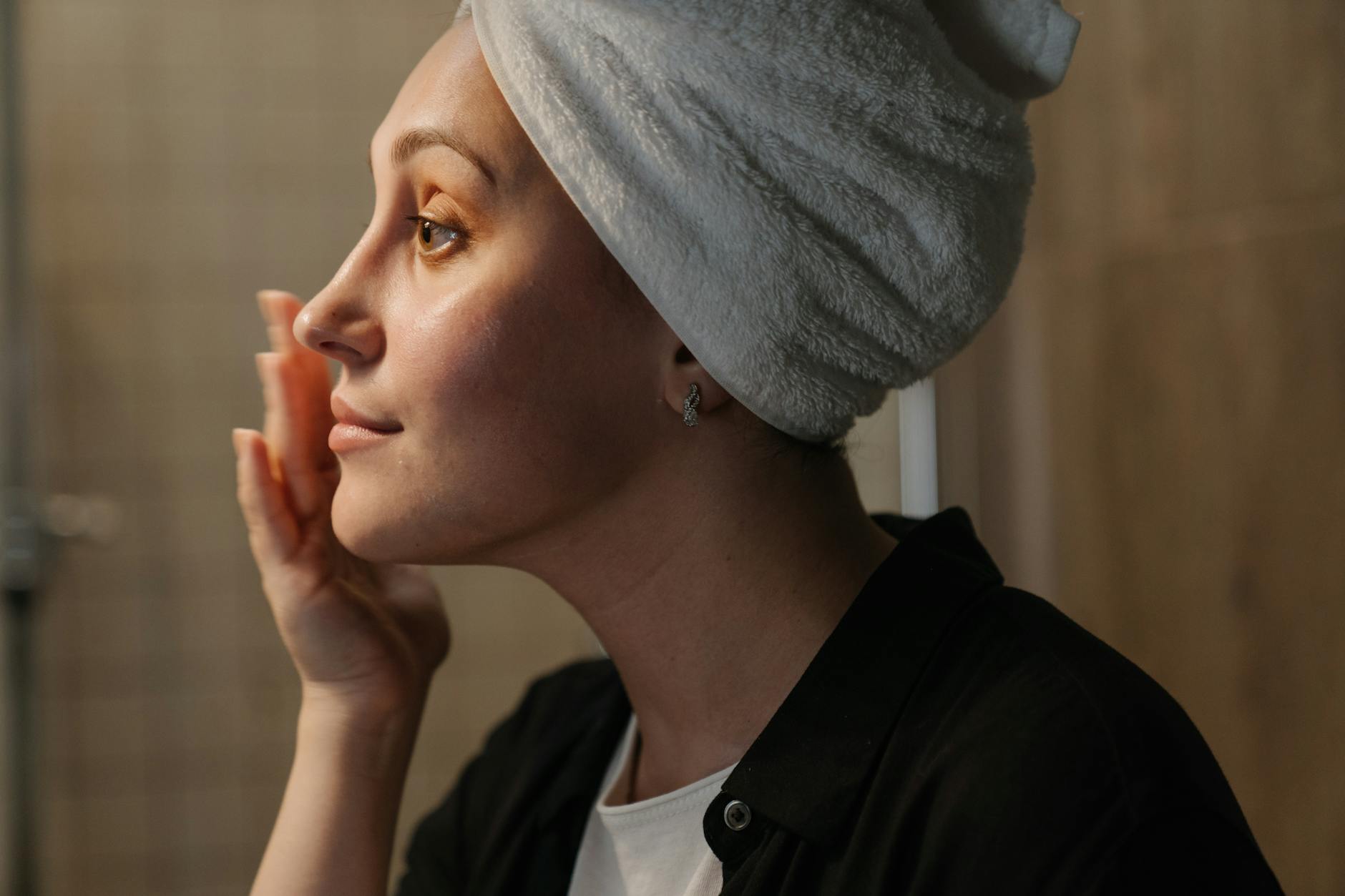
Are you tired of harsh chemicals in your store-bought makeup removers? Many commercial products contain alcohol, preservatives, and artificial fragrances that can irritate your skin, especially if you have sensitive skin. What if you could achieve a clean, fresh face using simple, natural ingredients found right in your kitchen? This guide explores six effective DIY makeup remover recipes, perfect for the diverse needs of Indian skin. We'll focus on gentle, nourishing options that not only remove makeup but also benefit your skin. Why go DIY? For starters, you control the ingredients. This means avoiding potential irritants and allergens. Plus, natural ingredients often offer added skincare benefits. Think anti-inflammatory properties for acne-prone skin or hydrating elements for dry skin. Let's dive into creating your own gentle yet effective makeup removers. Understanding Your Skin's Needs India's diverse climate and genetics mean a wide range of skin types. From oily and acne-prone to dry and sensitive, a one-size-fits-all approach rarely works. When choosing or creating a makeup remover, consider your primary skin concerns. Are you battling blemishes? Does your skin often feel tight and dry? Or is it prone to redness and irritation? Knowing this will help you pick the best DIY recipe for you. Six Simple DIY Makeup Remover Recipes 1. Witch Hazel and Water Refresher Witch hazel is a natural astringent known for its anti-inflammatory and antioxidant properties. It’s fantastic for managing acne and can help balance oil production without stripping the skin. This recipe is particularly good for oily or combination skin. Ingredients: Equal parts witch hazel and distilled water Optional: 2-3 drops of essential oil (like lavender or tea tree, if your skin tolerates it) Instructions: In a small, clean container, mix witch hazel and distilled water. If using, add the essential oil and shake well. Soak a cotton ball or pad with the mixture. Gently wipe your face and eyes to remove makeup. Store the bottle in a cool, dry place. Why it works: Witch hazel cleanses and tones, while water acts as a gentle diluent. Essential oils can add antimicrobial or calming benefits, but always patch-test first. 2. Nourishing Honey Mask Remover Honey is a natural humectant, meaning it attracts and retains moisture. It also possesses antibacterial qualities, making it excellent for acne-prone skin. This method doubles as a mini-facial, leaving your skin soft and glowing. Ingredients: Raw honey (preferably organic) Instructions: Warm a small amount of honey slightly between your fingertips. Gently massage it onto your dry face. Let it sit for 5 to 10 minutes to allow it to work its magic. Rinse off thoroughly with a warm, damp cloth. Pat your face dry. Why it works: Honey dissolves makeup gently while hydrating and fighting bacteria. It’s perfect for dry or acne-prone skin seeking a natural glow. 3. Oil Cleansing Method: Castor and Olive Oil Blend Don't shy away from oil if you have oily skin! The oil cleansing method works on the principle that ‘like dissolves like’. This blend helps to break down stubborn makeup and excess sebum without stripping your skin’s natural oils. Ingredients: Castor oil Olive oil (or jojoba oil for a lighter option) Ratio: Adjust based on your skin type. For oily skin, a 1:3 ratio of castor to olive oil is a good start. For dry skin, try a 1:4 or 1:5 ratio. Instructions: Mix the oils in a small, clean bottle. Shake well. Pour a quarter-sized amount into your dry palm. Gently massage the oil onto your dry face, focusing on areas with makeup. Place a warm, moist washcloth over your face for about a minute to steam and loosen the oil and makeup. Ensure the cloth isn't too hot. Use the clean side of the washcloth to gently wipe away the oil and makeup. You can leave a thin layer of oil behind for extra moisture or rinse with a gentle cleanser if preferred. Store the oil blend in a cool, dry place. Why it works: Castor oil is a powerful cleanser, while olive oil (or jojoba) moisturizes and nourishes. This method effectively removes even waterproof makeup. 4. Jojoba Oil and Rose Water Soother This combination is incredibly gentle and hydrating, making it ideal for dry and sensitive skin types. Jojoba oil closely mimics the skin's natural sebum, providing moisture and balance. Rose water is known for its calming and refreshing properties. Ingredients: Jojoba oil Rose water Ratio: 1 part jojoba oil to 2 parts rose water Instructions: Combine jojoba oil and rose water in a clean bottle or jar. Shake well before each use. Apply to a cotton pad and gently sweep across your face and eyes. Use a clean, dry cloth to remove any residual makeup. Why it works: Jojoba oil cleanses and moisturizes deeply, while rose water soothes and adds a lovely fragrance. It's a gentle yet effective makeup remover. 5. Baby Shampoo and Oil Gentle Cleanser This surprisingly effective method uses mild baby shampoo mixed with a gentle oil. It’s formulated to be tear-free and gentle, making it suitable for the delicate eye area and all skin types, even the most sensitive. Ingredients: Gentle baby shampoo (a tear-free formula) Baby oil (or mineral oil) Water Ratio: 1 part baby shampoo, 1 part baby oil, 2 parts water Instructions: In a clean jar or bottle, add the baby shampoo and baby oil first. Top up with water. Don't worry if the oil separates; this is normal. Shake well before each use. Dip a cotton ball, pad, or bud into the mixture. Gently wipe away makeup from your face and eyes. Store in a cool, dry place. Why it works: The mild surfactants in baby shampoo lift makeup, while the oil helps dissolve it. The water dilutes the mixture, ensuring gentleness. 6. DIY Makeup Remover Wipes Store-bought makeup remover wipes can be convenient but often contain harsh chemicals and create plastic waste. Making your own is simple, eco-friendly, and customizable. Ingredients: A clean jar or container with a lid Cotton rounds or a clean, soft cotton cloth cut into squares Your chosen DIY makeup remover liquid (e.g., the witch hazel/water mix, oil blend, or baby shampoo mix) Optional: A few drops of vitamin E oil for preservation and skin benefits Instructions: Place the cotton rounds or cloth squares neatly inside the jar. Pour your chosen DIY makeup remover liquid over them until they are saturated but not dripping excessively. Add optional vitamin E oil if desired. Close the lid tightly. To use, simply pull out a saturated wipe and gently remove your makeup. Store the jar in a cool, dry place. Use within 1-2 weeks. Why it works: This method combines the ease of wipes with the benefits of natural ingredients. It’s perfect for travel or quick touch-ups. Important Considerations After Removing Makeup No matter which method you choose, always follow up with a gentle cleanse if you feel the need, especially if you used heavy makeup or the oil cleansing method. This ensures all residue is removed. After cleansing, apply a suitable moisturizer to keep your skin hydrated. If it's daytime, always opt for a moisturizer with an SPF of at least 30 to protect your skin from sun damage. For sensitive skin or if you're trying a new ingredient, always perform a patch test on a small area of your skin (like behind the ear or on your inner wrist) before applying it to your entire face. When to Consult a Doctor or Dermatologist While DIY removers are generally safe, listen to your skin. If you experience persistent redness, itching, breakouts, or any signs of an allergic reaction after using a homemade concoction, discontinue use immediately. Persistent skin issues or concerns about specific ingredients should always be discussed with a qualified dermatologist. They can help identify underlying issues and recommend the best course of action for your unique skin type and concerns. Frequently Asked Questions (FAQ) Can I use these DIY removers on waterproof mascara? For waterproof mascara, you may need to hold a soaked cotton pad on your eyes for 30 seconds to a minute before gently wiping. The oil-based removers (like the castor/olive oil or baby shampoo/oil blends) are generally most effective for waterproof makeup. Be very gentle around the eye area. How long can I store these homemade removers? Most water-based mixtures should be used within 1-2 weeks and stored in the refrigerator to prevent bacterial growth. Oil-based mixtures can last longer, typically 1-3 months, when stored in a cool, dark place. Always discard if you notice any change in smell or appearance. Are essential oils safe for facial skin? Essential oils can be potent. While some, like lavender, are generally considered safe in very diluted amounts, others can be irritating. Always dilute them properly and perform a patch test first. If you have sensitive skin or are prone to reactions, it's best to skip the essential oils in your DIY removers. What if I don't have witch hazel? If you can't find witch hazel, you can try using a gentle,
In summary, timely diagnosis, evidence-based treatment, and prevention-focused care improve long-term health outcomes.
Visit Hospital
Near You
Locate top renal specialists in Khagaria for expert diagnosis and treatment of kidney diseases. Ensure optimal kidney health.
May 19, 2026
Discover how to find the best surgeon in Munger. Learn key factors to consider for safe and effective surgical treatment.
May 18, 2026
Access reliable home doctor visits in Pune. Get expert medical care, diagnosis, and treatment without leaving your home.
April 26, 2026