

Emergency & Help
24/7 Emergency & General Advisory
🚨 24/7 Medical Emergency
Non-Emergency Advisory
10:00 AM – 6:00 PM, Mon–Sat
For appointments & general queries.
24/7 Emergency & General Advisory
🚨 24/7 Medical Emergency
Non-Emergency Advisory
10:00 AM – 6:00 PM, Mon–Sat
For appointments & general queries.
Discover drinks that can help soothe headaches and migraines, from hydrating water and green tea to magnesium-rich juices, and learn which beverages to avoid. Tailored for Indian readers.
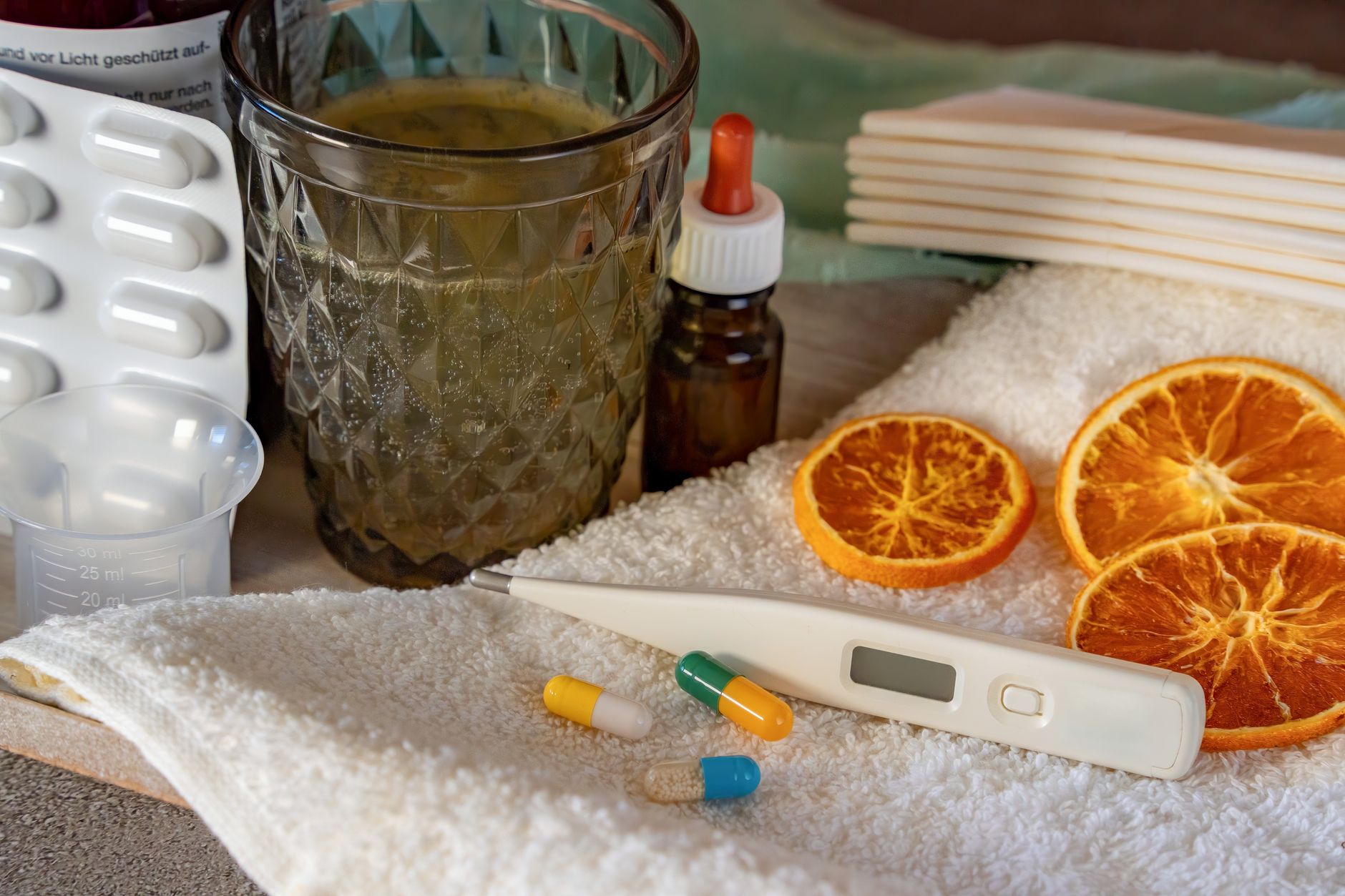
Headaches and migraines can be debilitating, turning a normal day into a struggle. While medications and lifestyle changes play a big role in managing these conditions, did you know that what you drink can also make a difference? For many in India, a cup of chai or coffee is a daily ritual, but when a headache strikes, certain beverages can offer relief, while others might worsen the pain. This guide explores drinks that can help ease headache and migraine symptoms, focusing on hydration, nutrient content, and potential triggers, all tailored for our Indian readers.
Dehydration is a common headache trigger. When your body doesn't have enough fluids, it can lead to a headache. This is why staying well-hydrated is the first line of defence. Beyond just water, certain drinks offer additional benefits, like electrolytes, vitamins, or compounds that may help reduce inflammation and pain. However, it's a delicate balance; some ingredients commonly found in beverages can, for others, be potent migraine triggers.
It might sound simple, but plain water is often the most effective remedy. Dehydration headaches are very common. If you feel a headache coming on, or even if you just haven't had enough to drink, reaching for water is your best bet. Aim for at least 8 glasses (around 2 litres) a day, more if you live in a hot climate like many parts of India, or if you exercise vigorously.
Bored with plain water? Jazz it up! Add slices of cucumber, lemon, mint, or berries to your water. This not only makes it more appealing but also adds a tiny nutritional boost without added sugars. It's a fantastic way to increase your fluid intake, especially if you find plain water uninspiring. Try it with slices of watermelon and mint for a cooling effect.
Green tea, widely consumed in India, is rich in antioxidants and offers a moderate amount of caffeine. For some, caffeine can actually help alleviate headache pain by constricting blood vessels. However, if caffeine is a trigger for you, switch to decaf versions or limit your intake. Starting with a smaller cup and observing how your body reacts is wise. It's a gentler alternative to strong coffee.
Migraines often come with nausea and vomiting. Ginger has long been used in Indian households for its anti-nausea properties. Brewed ginger tea can help calm an upset stomach and may also have anti-inflammatory effects that could contribute to headache relief. Steep fresh ginger slices in hot water for a potent, comforting brew. You can add a touch of honey for sweetness, but be mindful of sugar intake.
Magnesium plays a role in nerve function and can be linked to migraine prevention for some individuals. While it’s best to get magnesium from whole foods, certain juices can contribute. Think about juices made from leafy greens like spinach or kale, or even a small serving of 100% grape juice. A half-cup of grape juice can contain about 10 mg of magnesium. Many adults need between 310-420 mg of magnesium daily, so these juices are a supplement, not a replacement for your daily needs.
For many, coffee is an essential part of the morning routine. If you suspect caffeine might be a trigger, or if you're sensitive to it, switching to decaffeinated coffee can be a good compromise. Decaf coffee still contains a very small amount of caffeine (around 2-15 mg per cup), but significantly less than regular coffee (80-100 mg per cup). If you're quitting regular coffee, do it slowly to avoid caffeine withdrawal headaches.
Not all drinks are helpful. Some can trigger or worsen headaches and migraines. It's essential to identify your personal triggers.
Mrs. Sharma, a 45-year-old homemaker from Jaipur, often suffered from severe headaches that made it impossible to manage her household. She noticed her headaches were worse on hot days when she didn't drink enough water. After consulting her doctor, she started carrying a water bottle everywhere and also began drinking a glass of ginger tea in the afternoon. She found that staying consistently hydrated and sipping on ginger tea helped reduce the frequency and intensity of her headaches significantly.
While these drink strategies can offer relief, they are not a substitute for medical advice. You should consult a doctor if you experience:
Most people do not notice early warning signs right away. That is common. A simple symptom diary, basic routine checks, and timely follow-up visits can prevent small problems from becoming serious.
If you are already on treatment, stay consistent with medicines and lifestyle advice. If your symptoms change, do not guess. Check with a qualified doctor and update your plan early.
Write down symptoms, triggers, and timing for a few days.
Carry old prescriptions and test reports to your consultation.
Ask clearly about side effects, red-flag signs, and follow-up dates.
Seek urgent care for severe pain, breathing trouble, bleeding, fainting, or sudden worsening.
Visit Hospital
Near You
Locate top renal specialists in Khagaria for expert diagnosis and treatment of kidney diseases. Ensure optimal kidney health.
May 19, 2026
Discover how to find the best surgeon in Munger. Learn key factors to consider for safe and effective surgical treatment.
May 18, 2026
Access reliable home doctor visits in Pune. Get expert medical care, diagnosis, and treatment without leaving your home.
April 26, 2026