

Emergency & Help
24/7 Emergency & General Advisory
🚨 24/7 Medical Emergency
Non-Emergency Advisory
10:00 AM – 6:00 PM, Mon–Sat
For appointments & general queries.
24/7 Emergency & General Advisory
🚨 24/7 Medical Emergency
Non-Emergency Advisory
10:00 AM – 6:00 PM, Mon–Sat
For appointments & general queries.
Explore the effectiveness and safety of keratin treatments for thin hair. Learn if it's the right choice for you, understand the risks, and discover alternatives for achieving fuller, healthier locks.
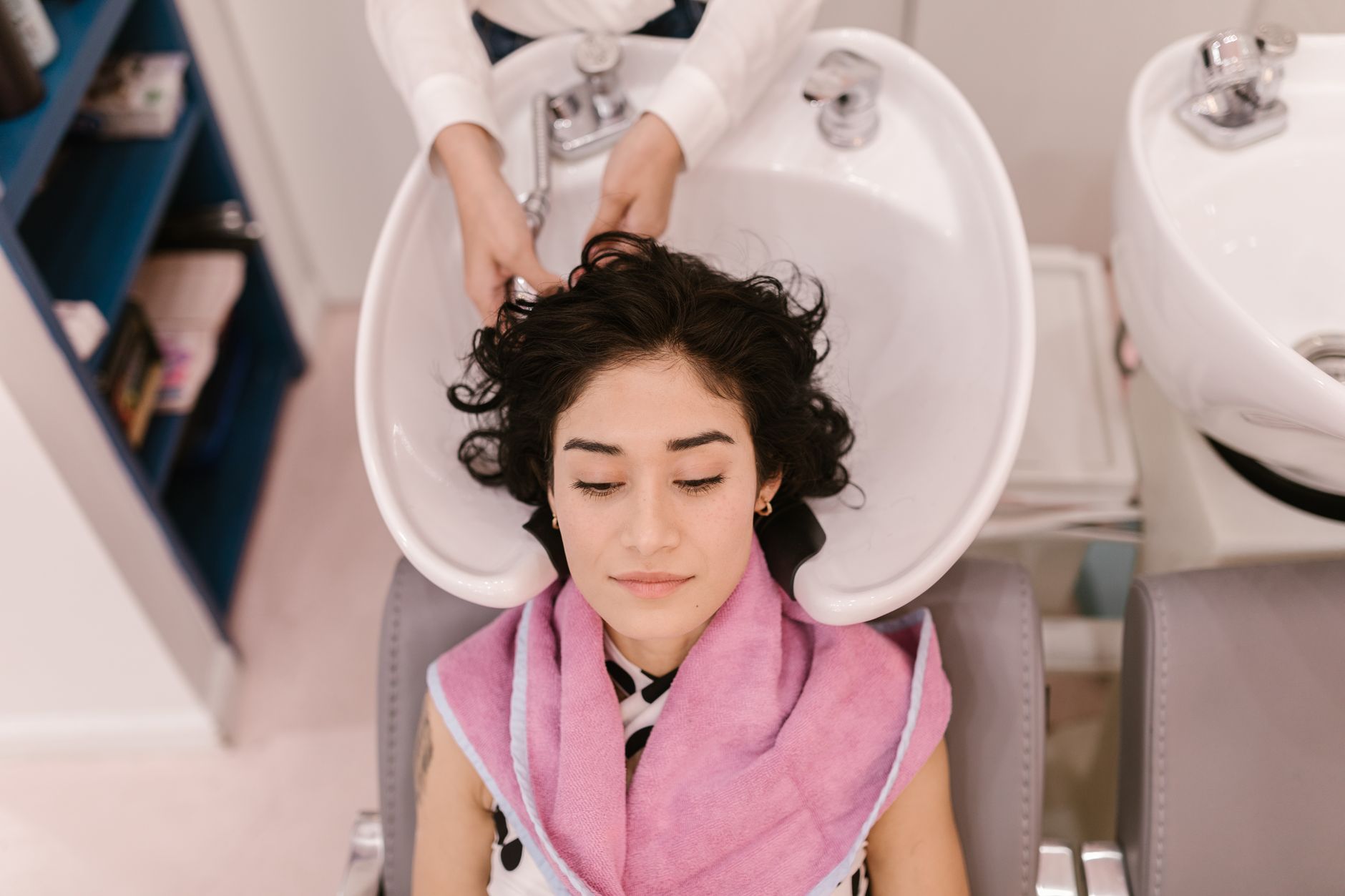
Is your hair feeling a bit sparse? Many of us in India grapple with the desire for fuller, more manageable hair. You might have heard about keratin treatments, often called Brazilian blowouts, promising smoother, shinier, and more vibrant locks. But the big question looms: can this popular treatment truly help thin hair? Let's untangle the truth. What Exactly is Keratin? First off, what is this magic ingredient, keratin? Think of it as the primary protein that makes up your hair, skin, and nails. It’s like the building block that gives your hair its strength and resilience. Over time, especially with harsh styling, chemical treatments like colouring or bleaching, and even environmental factors, the natural keratin in your hair can get depleted. This can lead to hair that feels weaker, looks dull, and is more prone to breakage. Keratin treatments, in essence, involve applying an extra dose of keratin – often sourced from animal products like wool or chicken feathers – to your hair. The goal? To replenish what’s been lost, smoothing the hair cuticle and giving your strands a healthier, more lustrous appearance. It can help tame frizz, enhance the vibrancy of your hair colour, and make curly hair more manageable and straight. Does Keratin Treatment Work for Thin Hair? The Nuance This is where things get a bit intricate. While keratin treatments are often touted for their smoothing and strengthening effects, their suitability for thin hair isn't a straightforward 'yes'. Hair stylists and manufacturers frequently recommend these treatments for hair that is thick, coarse, frizzy, or very curly. Why? Because the treatment works by coating each strand, which can make thicker hair feel smoother and more controlled. However, what does 'thin hair' mean to you? It can refer to a few different things: Hair Density: This means you have fewer hair follicles on your scalp, resulting in fewer strands overall compared to someone with thick or medium hair density. Hair Strand Thickness: This is about the diameter of each individual hair strand. Hair with a smaller diameter is often referred to as 'fine' hair. This can be confusing because 'thick hair' can also mean hair with a larger diameter, and sometimes fine hair can be surprisingly strong! So, if your thin hair is also coarse or curly , a keratin treatment might offer some benefits. It could help to smooth the texture, reduce frizz, and make it appear fuller by aligning the strands. But, if your thin hair is predominantly fine and straight , a keratin treatment might not be your best bet. The coating effect, while beneficial for coarse hair, could potentially weigh down fine, straight strands, making them look flatter and less voluminous. If your primary concern with thin hair is a lack of volume, there might be other, more effective treatments specifically designed to boost volume rather than simply smoothing the hair shaft. Scientific Backing: What Studies Say Let's look at what the science suggests. Several studies offer promising insights: A 2018 study published in the International Journal of Cosmetic Science found that adding keratin particles to hair significantly improved its smoothness and boosted its strength by a remarkable 40 percent. Another study from 2018 in Biotechnology Reports explored the effects of a specific protein, K31. They discovered that applying it increased the diameter of chemically damaged hair by nearly 49 percent and bleached hair by a whopping 100 percent (doubled its size!). This study also noted that a single hour-long keratin treatment could effectively straighten curly hair. These findings suggest that keratin treatments can indeed enhance hair strength and thickness, particularly for hair that has been compromised by chemical processes. For hair that is thin due to damage or chemical treatments, keratin might help restore some of its structural integrity. Potential Risks and Safety Concerns Now, for the important part: safety. While keratin treatments promise beautiful hair, it's essential to be aware of potential risks. The primary concern often revolves around the ingredients used in these treatments, particularly formaldehyde or formaldehyde-releasing chemicals. Formaldehyde is a known carcinogen and can cause a range of health issues. A 2020 study in the Journal of Cosmetic Dermatology highlighted that some individuals experienced adverse reactions like contact dermatitis (an itchy rash) and swelling following keratin treatments. This is frequently linked to the presence of formaldehyde or other sensitizing ingredients in the formulations. What does this mean for you? Ventilation is Key: Professional keratin treatments, especially those done in salons, should always be performed in a well-ventilated area. Ingredient Awareness: Always ask your stylist about the ingredients in the treatment. Look for formaldehyde-free or low-formaldehyde options if possible. Websites like the Environmental Working Group (EWG) can be helpful resources for researching the safety of specific hair products and their ingredients. Patch Test: If you have sensitive skin or a history of allergies, consider doing a patch test on a small, inconspicuous area of your scalp or skin before a full treatment. Home Treatments: If you opt for an at-home keratin kit, read the instructions and warnings very carefully. Ensure you're in a space with good airflow and wear protective gloves. It’s crucial to remember that while keratin itself is a natural protein, the 'keratin treatments' you find in salons or stores are chemical formulations. The safety and effectiveness can vary significantly between brands and professional versus at-home products. How Long Does a Keratin Treatment Last? Generally, professional keratin treatments can last anywhere from 2 to 6 months . The longevity largely depends on several factors: Hair Care Routine: How often you wash your hair, the types of shampoos and conditioners you use (sulfate-free is often recommended), and whether you use heat styling tools can impact how long the treatment lasts. Hair Type and Texture: The natural texture and condition of your hair before the treatment play a role. Environmental Factors: Frequent swimming in chlorinated pools or saltwater can also shorten the lifespan of the treatment. To maximize the results, follow your stylist's aftercare instructions diligently. This usually involves using specific sulfate-free shampoos and conditioners and avoiding certain styling products or practices that can strip the keratin coating. Alternatives for Thinning Hair If keratin treatment doesn't seem like the right fit for your thin hair, or if you're concerned about the potential risks, don't despair! There are other avenues to explore for achieving healthier, fuller-looking hair: Volumizing Hair Products: Shampoos, conditioners, mousses, and sprays designed to add volume can make a significant difference. Hair Growth Treatments: For thinning hair due to hair loss, consider treatments like minoxidil (available over-the-counter) or prescription medications, often recommended by a doctor. Scalp Health: A healthy scalp is the foundation for healthy hair. Gentle scalp massages, exfoliating scalp treatments, and ensuring good blood circulation can promote hair growth. Diet and Nutrition: Ensure your diet is rich in proteins, vitamins (like biotin, Vitamin D), and minerals (like iron and zinc) that are essential for hair health. Professional Styling Techniques: Certain haircuts, like layers or strategic trims, can create the illusion of thicker hair. When to Consult a Doctor or Trichologist While cosmetic treatments can enhance your hair's appearance, it's important to address the root cause if you're experiencing significant thinning or hair loss. You should consider consulting a doctor or a trichologist (a hair and scalp specialist) if you notice: Sudden or excessive hair shedding Bald patches Scalp irritation, itching, or pain Hair loss accompanied by other symptoms These professionals can help diagnose underlying medical conditions, hormonal imbalances, or nutritional deficiencies that might be contributing to your hair thinning and recommend appropriate medical treatments. The Verdict on Keratin for Thin Hair So, does keratin treatment work for thin hair? It's a nuanced answer. If your thin hair has a coarser or curlier texture, it might offer smoothing and manageability benefits. However, for fine, straight thin hair, it might not be the ideal solution and could even make your hair appear flatter. Always prioritize safety by understanding the ingredients, ensuring good ventilation, and considering your individual hair type and concerns. If significant thinning is an issue, professional medical advice is always the best first step. Frequently Asked Questions (FAQ) Is keratin treatment safe for everyone with thin hair? Not necessarily. It depends on the texture of your thin hair. It's generally better suited for thin hair that is also coarse or curly. Fine, straight thin hair may not benefit and could appear flatter. Always discuss your hair type and concerns with your stylist. Can keratin treatment cause hair loss? Keratin treatments themselves don't typically cause hair loss from the root. However, improper application, harsh chemicals (like formaldehyde), or excessive heat styling after the treatment could potentially lead to breakage or damage that mimics hair loss. If you're already experiencing hair loss, it's best to consult a doctor before undergoing cosmetic treatments. How can I make my thin hair look thicker after a keratin treatment? If you've had a keratin treatment and want more volume, focus on volumizing hair products, gentle blow-drying techniques, and consider a haircut that adds
In summary, timely diagnosis, evidence-based treatment, and prevention-focused care improve long-term health outcomes.
Visit Hospital
Near You
Locate top renal specialists in Khagaria for expert diagnosis and treatment of kidney diseases. Ensure optimal kidney health.
May 19, 2026
Discover how to find the best surgeon in Munger. Learn key factors to consider for safe and effective surgical treatment.
May 18, 2026
Access reliable home doctor visits in Pune. Get expert medical care, diagnosis, and treatment without leaving your home.
April 26, 2026