

Emergency & Help
24/7 Emergency & General Advisory
🚨 24/7 Medical Emergency
Non-Emergency Advisory
10:00 AM – 6:00 PM, Mon–Sat
For appointments & general queries.
24/7 Emergency & General Advisory
🚨 24/7 Medical Emergency
Non-Emergency Advisory
10:00 AM – 6:00 PM, Mon–Sat
For appointments & general queries.
Discover why nose hair grows long, its health benefits, and the safest ways to manage it. Learn about trimming, waxing, and why plucking is a no-go.
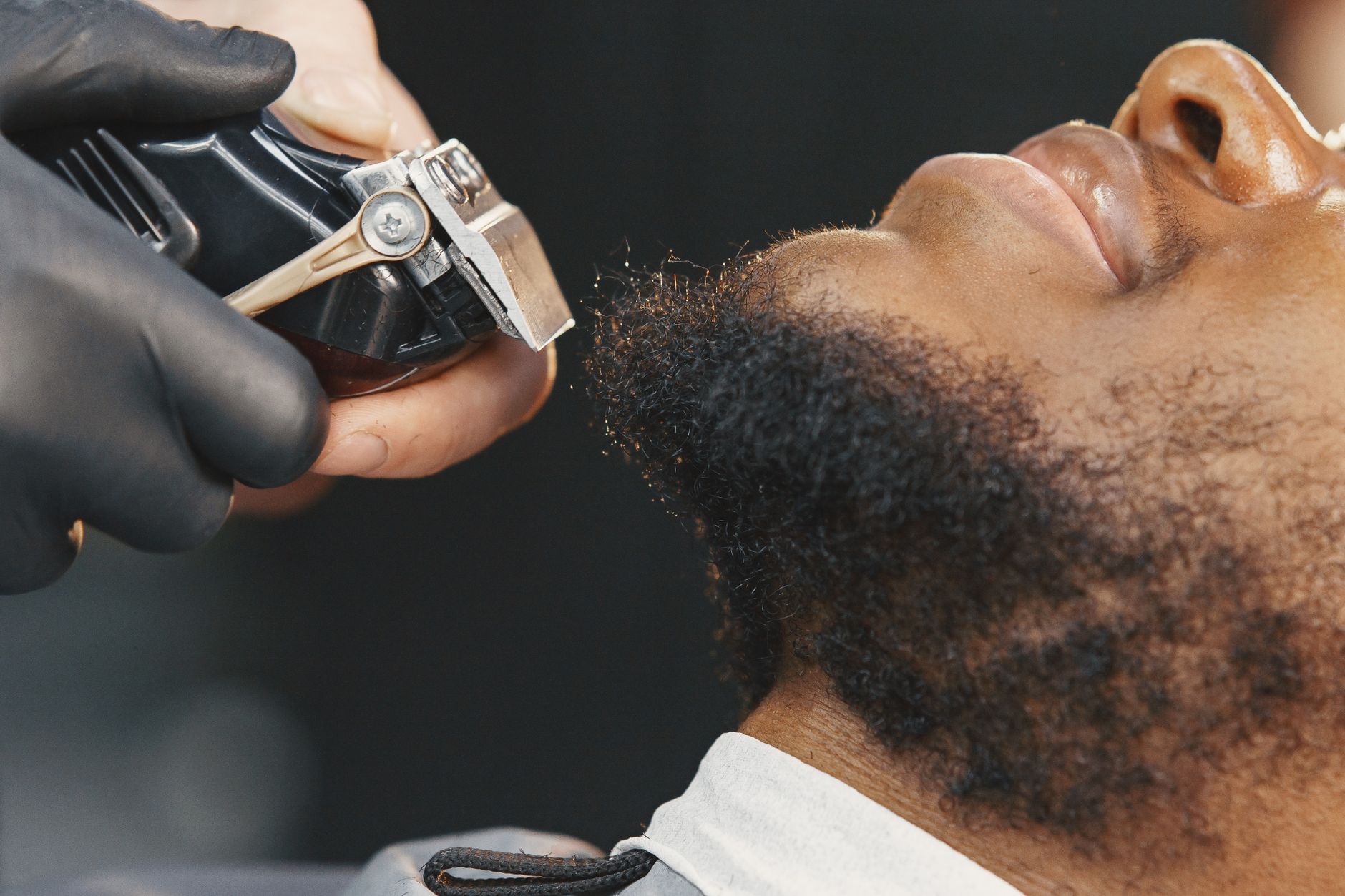
Nose hair. It’s something most of us have, and for some, it can become a topic of concern as it starts to grow longer and more noticeable. You might be wondering why this happens, what role nose hair actually plays in your health, and most importantly, how to manage it if it bothers you. Let’s dive into the world of nasal hairs, exploring their function, the reasons behind their growth, and the safest ways to trim them.
Before we talk about managing long nose hair, it’s essential to understand why we have it in the first place. Your nose hairs are not just there to look a certain way; they perform a vital function for your respiratory system. Think of them as tiny, diligent gatekeepers for your lungs.
So, while long nose hair might seem like a cosmetic issue, the hair itself is doing valuable work to keep you healthy.
You might notice that nose hair growth changes over time, often becoming more prominent as you age. Several factors contribute to this:
Aging is the most common reason for nose hair that becomes thicker and grows longer. Our hair follicles, including those in the nose, operate in cycles. As we get older, these follicles can become more sensitive to the hormones circulating in our bodies. This increased sensitivity can prolong the growth phase of the hair follicle, leading to hairs that grow longer and feel coarser.
Your family history plays a role, too. Some individuals are naturally more prone to developing longer nose hair than others. Generally, men tend to experience longer and thicker nose hair growth more frequently than women.
While less common, certain health conditions can sometimes influence hair growth patterns. However, for the vast majority of people, increased nose hair growth is a natural part of aging and hormonal shifts, not a sign of a serious medical problem.
It's worth reiterating that having nose hair, even if it's long, is not inherently bad. In fact, it offers significant health advantages:
There are generally no direct medical drawbacks to having long nose hair. The main concerns are usually aesthetic or related to hygiene if debris gets trapped.
For many, the primary reason for wanting to manage nose hair is purely personal preference. You might feel self-conscious about its appearance, especially if it’s associated with aging. Sometimes, people worry that long nose hairs might collect more dried mucus or debris, which can be a hygiene concern.
Consider this common scenario: Rohan is attending an important business meeting. As he’s speaking, he notices his colleague glancing towards his nose. He suddenly feels incredibly self-conscious, wondering if his nose hairs are too prominent. This feeling of embarrassment is a frequent driver for wanting to manage nose hair.
It’s important to remember that managing nose hair is a personal choice. It’s not a medical condition, and its growth doesn’t necessarily indicate an underlying health issue.
If you’ve decided that you want to trim your nose hair, safety should be your top priority. Some methods are far riskier than others.
This is widely considered the safest and most effective method.
While these methods offer longer-lasting results, they come with significant risks:
Plucking your nose hair is strongly advised against. Here’s why:
While long nose hair is rarely a medical issue, there are times when seeking professional advice is a good idea:
A doctor won't typically prescribe medical treatment for long nose hair itself, but they can rule out any underlying issues and offer personalized recommendations for managing your concerns.
No, it’s not inherently bad to remove nose hair if you choose to do so for personal reasons. The key is to use safe methods like trimming and to avoid risky practices like plucking.
This depends on how quickly your hair grows and your personal preference. Most people find trimming once or twice a week is sufficient to keep protruding hairs in check.
Generally, no. While very dense hair might slightly affect airflow, it’s unlikely to cause significant breathing problems for most people. The filtering function is more important than the length itself.
Nasal hair removal creams are generally not recommended. The skin inside the nose is very sensitive, and the chemicals in these creams can cause irritation, burns, or allergic reactions.
Managing long nose hair is a matter of personal choice and comfort. Understanding its function, the reasons for its growth, and opting for safe removal techniques will help you make informed decisions about your nasal health and appearance.
Visit Hospital
Near You
Locate top renal specialists in Khagaria for expert diagnosis and treatment of kidney diseases. Ensure optimal kidney health.
May 19, 2026
Discover how to find the best surgeon in Munger. Learn key factors to consider for safe and effective surgical treatment.
May 18, 2026
Access reliable home doctor visits in Pune. Get expert medical care, diagnosis, and treatment without leaving your home.
April 26, 2026