

Emergency & Help
24/7 Emergency & General Advisory
🚨 24/7 Medical Emergency
Non-Emergency Advisory
10:00 AM – 6:00 PM, Mon–Sat
For appointments & general queries.
24/7 Emergency & General Advisory
🚨 24/7 Medical Emergency
Non-Emergency Advisory
10:00 AM – 6:00 PM, Mon–Sat
For appointments & general queries.
Discover the amazing skin benefits of mango butter, a natural emollient packed with vitamins and fatty acids. Learn how it moisturises, soothes, and enhances your skin's natural radiance.
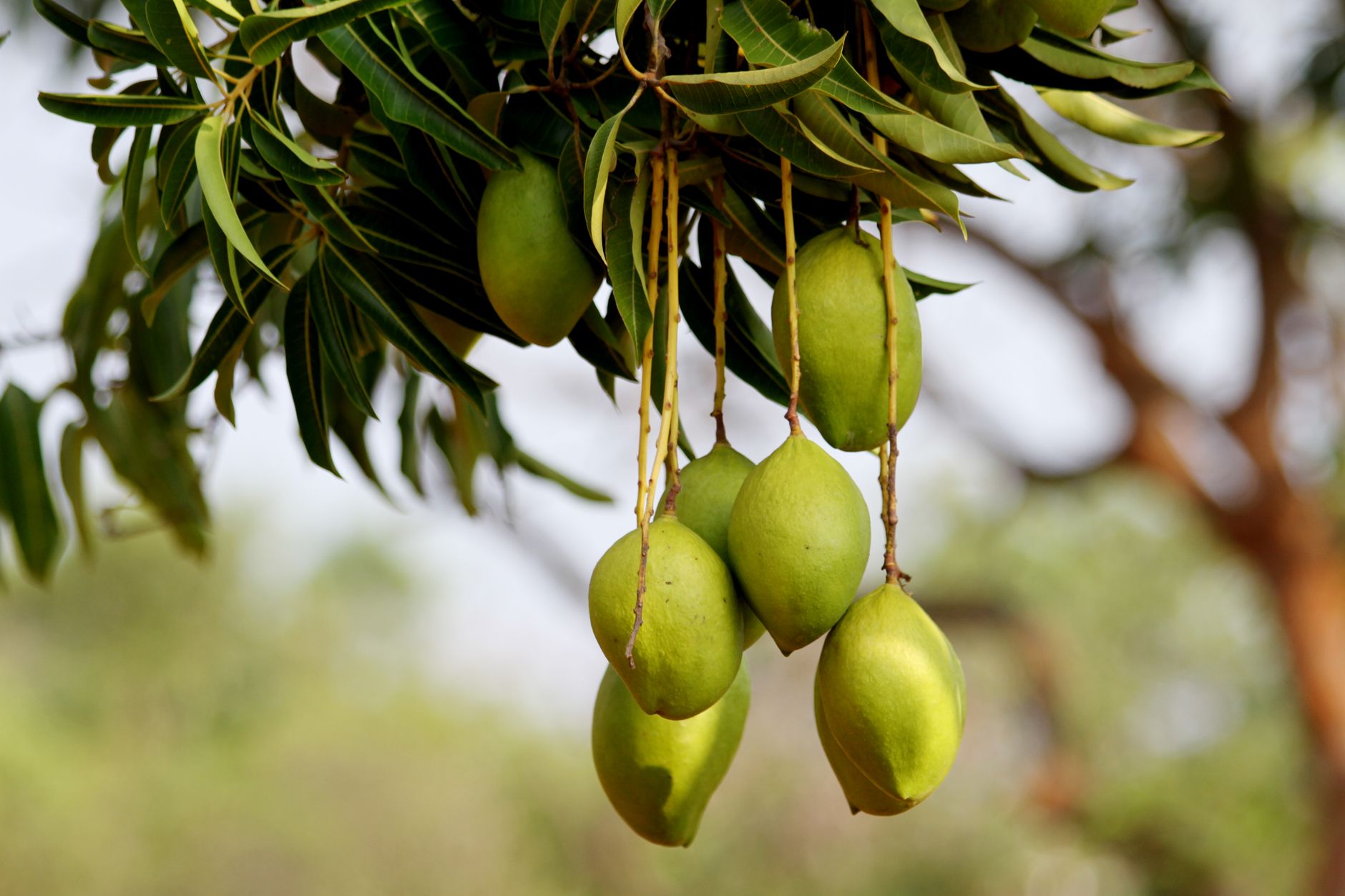
Imagine a luxurious, creamy butter derived from the humble mango, a fruit celebrated across India for its sweetness and vibrant flavour. Now, picture this golden goodness transformed into a skincare marvel. That's mango butter for you! It's not just a trend; it's a time-tested secret from nature's pantry, packed with nutrients that your skin will absolutely adore. We're talking about a natural emollient that can leave your skin feeling incredibly soft, supple, and revitalised. Forget those harsh chemicals and artificial concoctions; mango butter offers a gentle yet powerful way to nurture your skin, drawing on the inherent goodness of the mango seed. For generations, mangoes have been a dietary staple, cherished for their rich flavour and impressive nutritional profile. They're brimming with essential vitamins like C, B6, and A, along with vital minerals and fibre. But the magic doesn't stop at the fruit! The seeds of the mango hold a treasure trove of beneficial compounds, and when these are pressed and processed, they yield mango butter – a rich, nourishing substance increasingly making waves in the beauty and skincare world. Its unique fatty acid composition, featuring oleic, stearic, and linoleic acids, makes it a highly sought-after ingredient, often recommended as a superior alternative to traditional ingredients like cocoa butter. What Exactly is Mango Butter? Mango butter is essentially a fat extracted from the mango seed kernel. The process typically involves crushing the seeds, extracting the oil, and then refining it to create a smooth, creamy butter. Unlike shea butter or cocoa butter, which are derived from nuts, mango butter comes from a seed. This makes it a fantastic option for many, even those with nut allergies, though it's always wise to patch-test first. The resulting butter is semi-solid at room temperature but melts beautifully upon contact with the skin, allowing for easy absorption and a non-greasy feel. The Science Behind the Glow: Key Nutrients in Mango Butter So, what makes mango butter so special? It's all about the potent combination of natural compounds it contains: Vitamins C and E: These are powerful antioxidants. Vitamin C helps in collagen production, essential for skin elasticity and firmness, while Vitamin E works to protect your skin from environmental damage and free radical stress. Together, they're like a shield for your skin! Fatty Acids: As mentioned, mango butter is rich in oleic acid (an omega-9 fatty acid), stearic acid, and linoleic acid (an omega-6 fatty acid). These fatty acids are fundamental to maintaining a healthy skin barrier, which is crucial for locking in moisture and keeping irritants out. They contribute significantly to the butter's emollient properties, making skin feel soft and smooth. Antioxidants: Beyond vitamins C and E, mangoes contain other antioxidants that help combat oxidative stress. This can lead to a more even skin tone and a reduction in the appearance of redness and blemishes. Salicylic Acid: Mangoes contain natural salicylic acid, a beta-hydroxy acid (BHA) known for its gentle exfoliating properties and its ability to help keep pores clear. This can contribute to a clearer complexion. Unveiling the Skin Benefits of Mango Butter The anecdotal evidence for mango butter's effectiveness is vast, and increasingly, scientific research is backing these claims. Here’s a closer look at how this natural wonder can benefit your skin: 1. Intense Moisturization for Dry and Cracked Skin This is perhaps mango butter's most celebrated benefit. Its rich fatty acid profile allows it to penetrate the skin's outer layers, delivering deep hydration. Unlike some heavier creams that can feel occlusive, mango butter melts on contact, providing a smooth, moisturising layer that softens rough patches and helps heal dry, cracked skin. Think of it as a comforting balm for distressed skin, especially on elbows, knees, and heels. 2. Soothing Sun-Damaged Skin The sun can be harsh, leaving skin red, inflamed, and dry. Mango butter's emollient and antioxidant properties can help soothe sunburned skin. The vitamins C and E, along with other antioxidants, work to combat the oxidative damage caused by UV exposure, while its moisturising nature helps to replenish lost hydration. Some studies even suggest that mango seed oil might offer a degree of UV protection, although it should never replace a dedicated sunscreen. 3. Potential for Reducing the Appearance of Stretch Marks Stretch marks are a common concern for many, and while no topical treatment can make them vanish completely, mango butter can help improve their appearance. Its ability to deeply moisturise and enhance skin elasticity means it can make stretch marks less noticeable by softening the skin and making the tissue more pliable. Regular application can lead to smoother, more even-looking skin in the affected areas. 4. Enhancing Skin Softness and Radiance For those seeking that coveted soft, glowing complexion, mango butter is a fantastic addition to your routine. By providing essential moisture and improving the skin's barrier function, it helps to create a smoother surface that reflects light better. This results in skin that looks and feels more radiant and healthy. It can give your skin a luminous quality that's hard to achieve with synthetic ingredients. 5. Antibacterial and Antimicrobial Properties Research indicates that mango seed oil possesses antibacterial and antimicrobial properties. This means it might help in combating certain types of bacteria on the skin. While not a replacement for medical treatment for infections, these properties could contribute to healthier skin by helping to keep the microbial balance in check. This is particularly relevant for minor skin irritations or maintaining overall skin hygiene. 6. Gentle Enough for Sensitive Skin One of the standout features of mango butter is that it generally doesn't contain compounds known to commonly irritate the skin. Its natural origin and gentle composition make it a suitable choice for many individuals with sensitive skin who struggle to find products that don't cause redness or discomfort. However, as with any new product, a patch test is always recommended. How to Incorporate Mango Butter into Your Skincare Routine Using mango butter is wonderfully simple. Here are a few ways to enjoy its benefits: Directly as a Moisturiser: Warm a small amount of mango butter between your palms and apply it to your face and body. It's particularly effective after a bath or shower when the skin is still slightly damp, helping to lock in moisture. In DIY Masks: Mix mango butter with other natural ingredients like honey, yogurt, or oatmeal to create nourishing face or body masks tailored to your skin's needs. As a Lip Balm: Its intense moisturising properties make it an excellent natural lip balm to combat dryness and chapping. For Hair Care: Mango butter can also benefit your hair! It can help condition dry, frizzy hair, reduce scalp dryness, and add shine. Warm it gently and apply to the lengths and ends of your hair as a treatment. A Word of Caution: Acne and Mango Butter While mango butter is celebrated for its benefits, there's one area where caution is advised: acne. Some dermatologists suggest that butters high in oil content, like mango butter, might clog pores, especially for individuals prone to acne or those with oily skin. The American Academy of Dermatologists has raised concerns about oils and butters potentially exacerbating acne. Therefore, if you have a history of persistent or severe acne, it's best to consult with your dermatologist before applying mango butter, particularly to your face. A patch test on a less sensitive area is also a good idea. When to Consult a Doctor While mango butter is a natural product, it's always wise to be informed. You should consult a doctor or dermatologist if: You experience any adverse reactions such as increased redness, itching, or breakouts after using mango butter. You have severe or persistent acne and are considering using mango butter on your face. You have a known allergy to mangoes or related plants. You are treating a significant skin condition like eczema or psoriasis and want to know if mango butter could be a beneficial addition to your prescribed treatment plan. Frequently Asked Questions (FAQ) Q1: Can mango butter be used on all skin types? A1: Mango butter is generally well-tolerated and highly moisturising, making it suitable for dry and normal skin. However, individuals with very oily or acne-prone skin should use it with caution on their face, as it may clog pores. Q2: Is mango butter effective for dark spots or hyperpigmentation? A2: The antioxidants in mango butter, like Vitamin C, can help improve overall skin tone and may reduce the appearance of redness. While it can contribute to a brighter complexion, it's not a primary treatment for significant hyperpigmentation or dark spots. Q3: How is mango butter different from mango oil? A3: Mango butter is derived from the seed kernel of the mango. It's a more solid, creamy substance. Mango oil can be extracted from the fruit pulp or the seed, and its consistency can vary. Mango butter is typically more stable and has a richer, more emollient texture. Q4: Can mango butter replace my sunscreen? A4: Absolutely not. While some studies suggest potential
In summary, timely diagnosis, evidence-based treatment, and prevention-focused care improve long-term health outcomes.
Visit Hospital
Near You
Locate top renal specialists in Khagaria for expert diagnosis and treatment of kidney diseases. Ensure optimal kidney health.
May 19, 2026
Discover how to find the best surgeon in Munger. Learn key factors to consider for safe and effective surgical treatment.
May 18, 2026
Access reliable home doctor visits in Pune. Get expert medical care, diagnosis, and treatment without leaving your home.
April 26, 2026