

Emergency & Help
24/7 Emergency & General Advisory
🚨 24/7 Medical Emergency
Non-Emergency Advisory
10:00 AM – 6:00 PM, Mon–Sat
For appointments & general queries.
24/7 Emergency & General Advisory
🚨 24/7 Medical Emergency
Non-Emergency Advisory
10:00 AM – 6:00 PM, Mon–Sat
For appointments & general queries.
Explore the pros, cons, types, and risks of permanent hair straightening treatments. Learn what to expect before booking your appointment for sleek, straight hair.
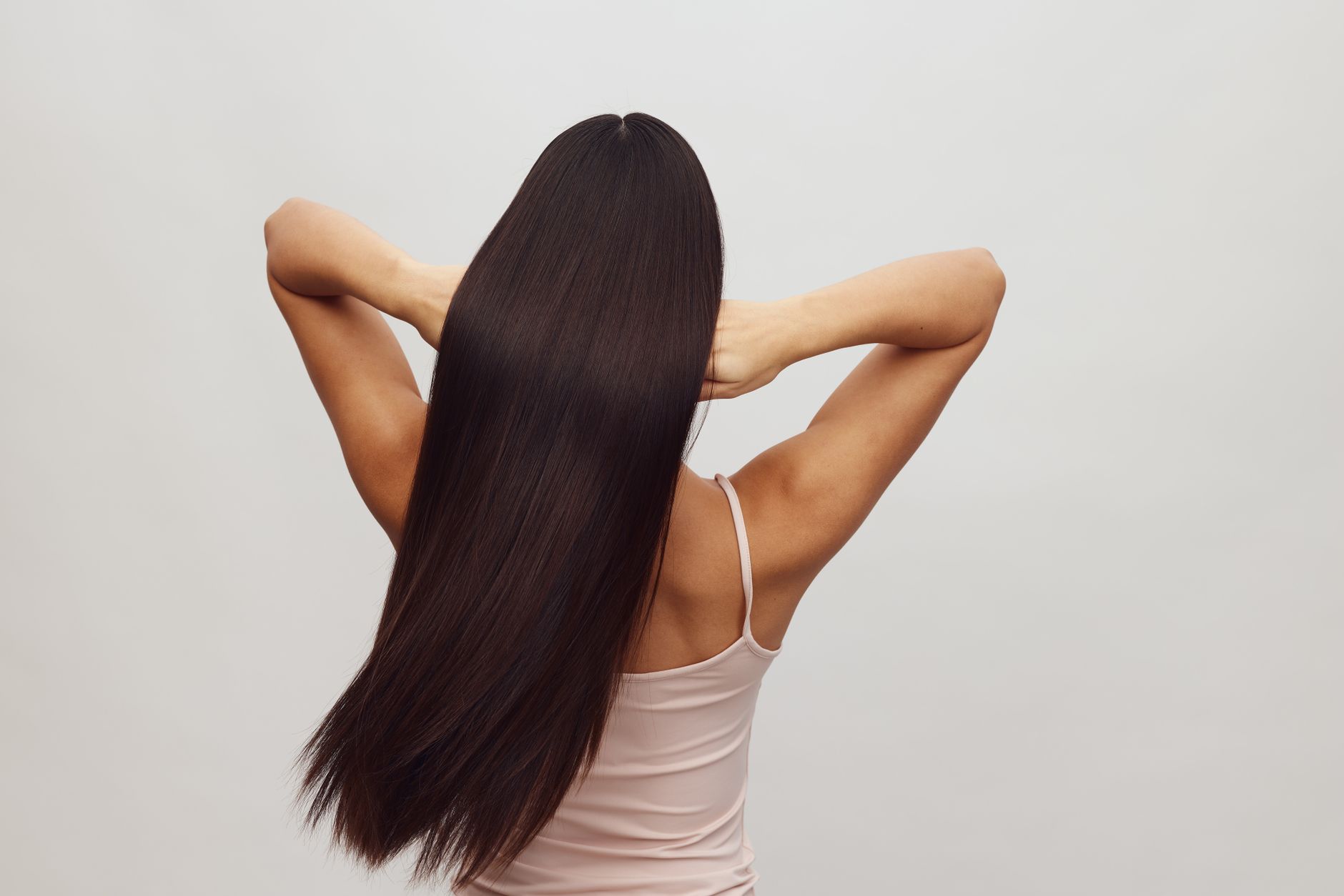
Dreaming of sleek, straight hair that stays that way for months? Permanent hair straightening treatments promise just that, offering a way to transform naturally curly, wavy, or frizzy hair into a smooth, manageable mane. But before you rush to the salon, it’s important to understand what these treatments involve, their potential benefits, and crucially, their risks. This guide will walk you through everything you need to know about permanent hair straightening, helping you make an informed decision. What Exactly is Permanent Hair Straightening? Permanent hair straightening isn't a single treatment but rather a broad term encompassing several chemical processes designed to alter your hair's natural texture for an extended period. These methods work by breaking and reforming the bonds within your hair's protein structure, effectively changing its shape from curly or wavy to straight. The effects are long-lasting, typically remaining until new hair grows in, which is why they're called 'permanent'. Types of Permanent Hair Straightening Treatments Several popular methods fall under the umbrella of permanent hair straightening. Each uses different chemicals and techniques, leading to varying results, costs, and durations. 1. Perms (Chemical Straightening) While often associated with creating curls, perms can also be used to straighten hair. This process involves applying a chemical solution to break down hair bonds, followed by a neutralizer to set the hair in a straight position. It’s a true chemical alteration of the hair follicle. 2. Japanese Thermal Straightening (Acid Perm) Similar to a traditional straight perm, this method also uses chemicals to break bonds and then heat to reform them into a straight shape. It's a more intensive process than some other methods and is known for delivering very straight results. 3. Chemical Relaxants These are readily available in pharmacies and beauty supply stores. Chemical relaxant kits aim to provide salon-like straightening results at home. They work by breaking down the hair's protein structure. 4. Keratin Treatments & Brazilian Blowouts These are often grouped together, though they have differences. They use a protein (keratin) and often a chemical solution to coat and smooth the hair shaft. While they significantly reduce frizz and loosen curls, they are often considered semi-permanent, lasting 3 to 5 months. They aim to make hair straighter and more manageable rather than completely straight like a perm. 5. Hair Rebonding Also known as chemical straightening, this process specifically targets wavy hair, converting it to a straight texture. It involves a chemical solution followed by heat styling to reshape the hair. How Do These Treatments Work? At their core, all permanent hair straightening methods follow a similar strategy: Chemical Application: A chemical solution is applied to the hair. This solution penetrates the hair shaft and breaks the disulfide bonds that give hair its natural shape. Reshaping: For methods like perms and Japanese thermal straightening, a neutralizer is then applied. This solution re-forms the bonds in a new, straight configuration. For keratin treatments, heat is often used to seal the keratin into the hair shaft. Styling: The hair is then styled into its desired straight form during the process. Pros of Permanent Hair Straightening The allure of permanently straight hair is undeniable for many. Here are some of the key benefits: Time-Saving: Imagine waking up and not having to spend ages blow-drying or ironing your hair. Straightened hair often requires minimal styling. Manageability: Frizz is significantly reduced, making hair easier to comb and manage, especially in humid weather. Versatility: While your hair is straightened, you can still style it in various ways, including adding temporary waves if desired. Long-Lasting Results: The effects can last for several months, offering a significant change in your hair's appearance and texture. Cons and Risks of Permanent Hair Straightening It's crucial to be aware of the potential downsides and risks associated with these powerful chemical treatments. Hair Damage: All these treatments involve strong chemicals that can weaken the hair shaft. This can lead to dryness, breakage, and split ends. Over-processing or improper application can cause severe damage. Chemical Exposure: Many straightening solutions contain formaldehyde or release it upon heating. Formaldehyde is a known carcinogen and can cause respiratory issues, skin irritation, and allergic reactions. A 2021 study highlighted concerns about formaldehyde levels in some treatments posing health hazards. Scalp Irritation: The chemicals can irritate the scalp, leading to redness, itching, or even chemical burns if not applied carefully. Cost: Professional treatments can be expensive, ranging from a few hundred to over a thousand rupees, depending on the salon and hair length. Maintenance: While the hair is straightened, new growth will retain its natural texture, requiring touch-ups to blend the textures. Special shampoos and conditioners are often recommended to maintain the treatment and hair health. Not for Everyone: If your hair is already severely damaged, very fine, or has been recently bleached or permed, you might not be a good candidate. Real-Life Scenario Priya, who has naturally thick, wavy hair, was tired of battling frizz every monsoon. She opted for a keratin treatment, hoping for smooth, manageable hair. While her hair did become much smoother and easier to style for the first few months, she noticed increased dryness and some breakage along the ends after about four months, requiring more frequent deep conditioning treatments. Cost and Duration of Treatments The price and time commitment vary significantly: At-Home Kits: These are the most affordable, starting around ₹1,000 to ₹2,000, but they require careful application and may not yield professional results, often lasting only 6 weeks. Keratin Treatments/Brazilian Blowouts: These typically cost ₹5,000 to ₹15,000 or more and take 3-5 hours, with results lasting 3-5 months. Japanese Thermal Straightening/Rebonding: This can be the most time-consuming (5-6 hours) and expensive, ranging from ₹10,000 to ₹30,000 or more, with results potentially lasting up to 6 months. Choosing the Right Treatment and Salon Selecting the right treatment and a reputable salon is paramount: Consultation is Key: Always have a thorough consultation with your stylist. Discuss your hair type, history (previous treatments, coloring, damage), and desired outcome. Ask About Chemicals: Inquire about the specific chemicals used. If formaldehyde is a concern, look for formaldehyde-free options, though their effectiveness and longevity might differ. Patch Test: Ask for a patch test on your skin and a strand test on your hair to check for adverse reactions and how your hair will respond. Stylist's Experience: Choose a salon with experienced stylists who specialize in these treatments. Look for reviews and before-and-after photos. Aftercare for Straightened Hair Proper aftercare is vital to maintain your results and minimize damage: Wait to Wash: Avoid washing your hair for at least 72 hours after the treatment, as per your stylist's instructions. Use Sulfate-Free Products: Opt for shampoos and conditioners specifically designed for chemically treated or straightened hair, preferably sulfate-free, to prolong the treatment's effects. Deep Conditioning: Incorporate regular deep conditioning or hair masks to keep your hair hydrated and healthy. Avoid Heat: Minimize the use of heat styling tools. If you must use them, apply a heat protectant spray. Gentle Handling: Be gentle when brushing and styling your hair. Avoid tight hairstyles that can cause stress on the treated hair. When to Consider Alternatives If the risks associated with chemical straightening seem too high, or if your hair is too fragile, consider these alternatives: Professional Blowouts: These use heat and styling techniques to temporarily straighten hair for a few days. Ceramic or Tourmaline Flat Irons: High-quality flat irons can effectively straighten hair with proper technique and heat protectant. Hair Serums and Smoothing Products: These can help manage frizz and add shine without chemical alteration. Embrace Your Natural Texture: With the right products and styling techniques, you can enhance and manage your natural waves or curls beautifully. When to Consult a Doctor or Trichologist If you experience severe scalp irritation, chemical burns, significant hair breakage, or persistent hair loss after a straightening treatment, it's essential to seek professional help. A dermatologist or a trichologist (hair specialist) can assess the damage and recommend appropriate treatment or remedies. Frequently Asked Questions (FAQ) Q1: Can permanent hair straightening cause hair loss? While the treatments themselves don't typically cause hair loss directly, the chemical process can weaken the hair shaft, leading to breakage. Severe breakage can sometimes be mistaken for hair loss. Also, if the scalp is severely burned or irritated, it can temporarily affect hair growth. It's important to have the treatment done by a professional to minimize these risks. Q2: How long does permanent hair straightening last? The term 'permanent' refers to the fact that the hair's structure is altered until it grows out. Depending on the method, results can last anywhere from 3 months to 6 months or even longer. New hair growth will retain its original texture. Q3: Is it safe to straighten hair if I am pregnant or breastfeeding? It is generally advised to avoid chemical hair straightening treatments during pregnancy and breastfeeding due to the potential exposure to harsh chemicals like formaldehyde. Always consult your doctor before undergoing any such procedure during these times. Q4: Can I color my
In summary, timely diagnosis, evidence-based treatment, and prevention-focused care improve long-term health outcomes.
Visit Hospital
Near You
Locate top renal specialists in Khagaria for expert diagnosis and treatment of kidney diseases. Ensure optimal kidney health.
May 19, 2026
Discover how to find the best surgeon in Munger. Learn key factors to consider for safe and effective surgical treatment.
May 18, 2026
Access reliable home doctor visits in Pune. Get expert medical care, diagnosis, and treatment without leaving your home.
April 26, 2026