

Emergency & Help
24/7 Emergency & General Advisory
🚨 24/7 Medical Emergency
Non-Emergency Advisory
10:00 AM – 6:00 PM, Mon–Sat
For appointments & general queries.
24/7 Emergency & General Advisory
🚨 24/7 Medical Emergency
Non-Emergency Advisory
10:00 AM – 6:00 PM, Mon–Sat
For appointments & general queries.
Discover natural hair mask ingredients like almond oil, avocado, and coconut oil to deeply moisturize and revive dry, damaged hair. Learn DIY recipes and prevention tips.
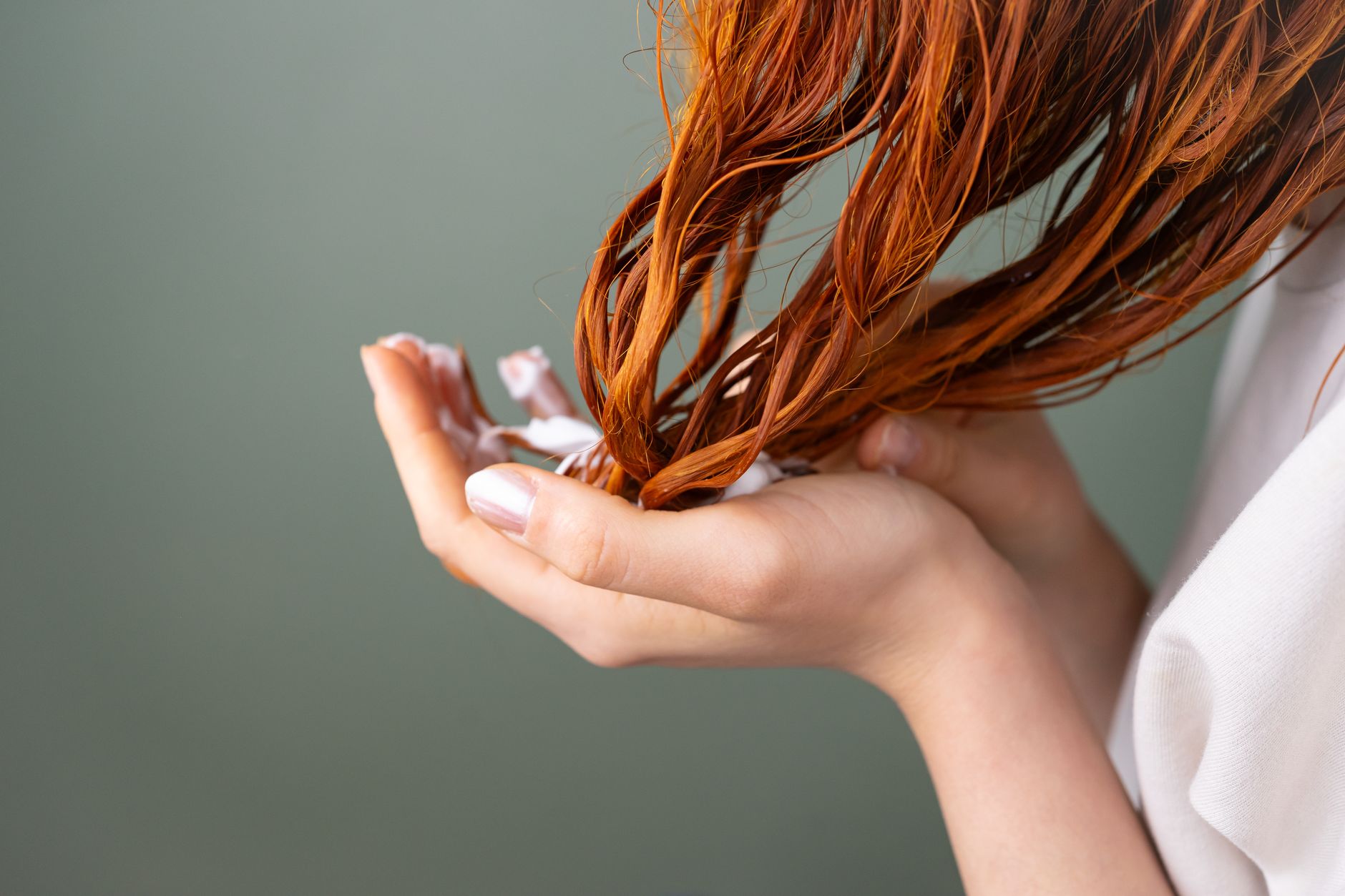
Is your hair feeling dry, brittle, or just plain dull? You're not alone. Many of us struggle with dry hair, especially with the changing seasons, frequent heat styling, or even just the natural aging process. Before you resign yourself to split ends and a lack of shine, know that a simple, natural solution might be right in your kitchen! Hair masks, when made with the right ingredients, can be a game-changer for restoring moisture and vitality to your locks. These aren't just fancy salon treatments; you can create incredibly effective masks at home using everyday items. Let's explore some of the best natural ingredients that can transform your dry, damaged hair into a soft, manageable, and radiant mane. Why Does Hair Get Dry? Understanding the Causes Dry hair occurs when your scalp doesn't produce enough natural oil (sebum) to moisturize your hair, or when your hair loses its moisture. Several factors can contribute to this: Environmental Factors: Exposure to sun, wind, and cold weather can strip moisture from your hair. Washing Habits: Over-washing your hair or using harsh shampoos can remove natural oils. Hot water also contributes to dryness. Heat Styling: Frequent use of blow dryers, straighteners, and curling irons can damage the hair cuticle, leading to moisture loss. Chemical Treatments: Hair dyes, perms, and relaxers can be harsh and dehydrate your hair. Aging: As we age, our scalp naturally produces less sebum. Medical Conditions: Certain conditions like eczema or psoriasis can affect scalp health and hair moisture. The Magic of Hair Masks for Dry Hair Hair masks are essentially deep conditioning treatments that provide intense hydration and nourishment. Unlike regular conditioners, which provide a quick surface-level coating, masks have a richer formulation and are designed to penetrate the hair shaft more deeply. They help to: Replenish lost moisture Repair damage to the hair cuticle Improve hair elasticity Add shine and softness Reduce frizz and breakage Soothe a dry or itchy scalp DIY Hair Mask Ingredients That Work Wonders You don't need expensive products to give your hair the pampering it deserves. Many natural ingredients are packed with vitamins, fatty acids, and proteins that are incredibly beneficial for dry and damaged hair. Here are some top choices: 1. Almond Oil Often used as a base for other treatments, almond oil is a moisturizing powerhouse. It's rich in emollients, which soften and condition hair. Its anti-inflammatory properties can also help soothe a dry, flaky scalp, addressing issues like dandruff or eczema. How to use: Gently massage a few tablespoons of warm almond oil into your scalp and hair. Cover with a shower cap and leave for 30 minutes before rinsing thoroughly. 2. Argan Oil Hailing from Morocco, argan oil is celebrated for its high content of fatty acids and vitamin E. These components help protect hair from damage and boost moisture levels. It’s frequently found in commercial hair products, but using it directly can be very effective. How to use: Apply a small amount of pure argan oil to your hair, focusing on the mid-lengths and ends. You can also massage it into your scalp. Leave it on for at least 30 minutes, or even overnight for deep conditioning, before washing. 3. Avocado Rich in healthy monounsaturated and polyunsaturated fats, avocados are fantastic for adding moisture to your hair. The natural oils penetrate the hair shaft, making it softer and more manageable. Avocado oil itself can also be used. How to use: Mash one ripe avocado (or use avocado oil) and mix it with a tablespoon of a carrier oil like almond or olive oil. Apply this mixture to damp hair, focusing on dry areas. Leave on for 20-30 minutes, then rinse well. 4. Coconut Oil A true kitchen superhero, coconut oil is believed to be rich in proteins that moisturize and strengthen hair. Its lauric acid content allows it to penetrate the hair shaft effectively. It also has anti-inflammatory properties that can benefit a dry scalp. How to use: Warm up a few tablespoons of virgin coconut oil until liquid. Apply generously to your hair and scalp. Cover with a shower cap and let it sit for at least 30 minutes (or longer for intense treatment) before shampooing and conditioning. 5. Jojoba Oil Jojoba oil is unique because its molecular structure is very similar to the natural sebum produced by our scalp. This makes it an excellent moisturizer that can hydrate both hair and scalp without feeling greasy. It's light enough even for those with oily scalps who still experience dryness. How to use: Apply a small amount of jojoba oil directly to your hair and scalp. It can be used as a leave-in treatment or rinsed out after 30 minutes. 6. Lavender Oil While known for its calming scent, lavender essential oil also has anti-inflammatory properties that can help soothe a dry, irritated scalp. Remember, essential oils must always be diluted before use. How to use: Mix a few drops of lavender essential oil with a carrier oil (like coconut or jojoba oil) or add it to your regular shampoo or conditioner. Massage into the scalp and hair, leave for 15-20 minutes, then rinse. 7. Olive Oil Extra virgin olive oil is a pantry staple that also works wonders for dry hair. It's packed with moisturizing fatty acids and antioxidants that can help soften hair and add shine. If you have an oily scalp, it's best to focus application on the ends of your hair. How to use: Apply warm olive oil to your hair, concentrating on the dry ends. Leave for 30 minutes, then wash out. 8. Sandalwood Oil With its distinctive warm scent, sandalwood oil is great for moisturizing and sealing split ends. It's also known for its ability to help manage scalp conditions like eczema. How to use: Mix a few drops of sandalwood oil with a carrier oil and apply to the ends of your hair. Leave on for at least 30 minutes before rinsing. 9. Banana Bananas contain silica, a compound that may help strengthen hair and improve its elasticity. This can reduce breakage and dryness. The fruit's natural oils also add moisture. How to use: Mash one ripe banana thoroughly (ensure no lumps!) and mix with a tablespoon of honey or olive oil. Apply to hair, leave for 20 minutes, then rinse very well. Note: Avoid if you have a latex allergy. 10. Coconut Milk Rich in lauric acid, coconut milk is a common ingredient in many commercial hair treatments. It helps strengthen hair and can promote growth while providing deep moisture. How to use: Warm up some full-fat coconut milk and apply it to your hair and scalp. Cover with a shower cap for 30 minutes, then rinse and shampoo as usual. 11. Curd (Yogurt) The proteins in curd help soften and strengthen hair. Its slight acidity can also help manage dryness and flakiness on the scalp. How to use: Apply plain, unsweetened curd directly to your hair and scalp. Leave for 20-30 minutes, then rinse and shampoo. You can mix it with honey for extra moisture. How to Apply Your DIY Hair Mask Getting the most out of your mask is simple: Start with clean, damp hair: It's usually best to apply masks to towel-dried hair. Protect your clothes: Drape an old towel around your shoulders. Apply evenly: Use your fingers or a brush to apply the mask from root to tip, or focus on the areas that need the most attention (like dry ends). Cover up: Pop on a shower cap or wrap your hair in cling film. This traps heat, helping the mask penetrate better. Relax: Leave the mask on for the recommended time, usually 20-30 minutes, but longer for deep treatments. Rinse thoroughly: Use lukewarm water to rinse out the mask completely. Follow with your regular shampoo and conditioner if needed. A Real-Life Scenario Meena noticed her hair had become incredibly dry and frizzy after a recent trip to the hills, where it was constantly exposed to sun and wind. Her usual conditioner wasn't making much difference. She decided to try a homemade avocado and olive oil mask. After leaving it on for 30 minutes, she rinsed and found her hair felt noticeably softer, smoother, and much less frizzy. She felt relieved to have found a natural solution that worked so well. When to See a Doctor While DIY masks are excellent for general dryness, persistent or extreme dryness, sudden hair loss, or a very itchy/inflamed scalp might indicate an underlying medical issue. Consult a dermatologist or trichologist if you experience: Severe scalp itching or redness Unexplained hair thinning or loss Scalp sores or infections Hair that breaks easily despite regular conditioning These professionals can diagnose the cause and recommend medical treatments if necessary. Preventing Dry Hair in the Future Prevention is always better than cure. Here are some tips: Wash less frequently: Give your scalp time to produce natural oils. Use lukewarm water: Hot water strips natural oils. Choose gentle shampoos: Opt for sulfate-free and moisturizing formulas.
In summary, timely diagnosis, evidence-based treatment, and prevention-focused care improve long-term health outcomes.
Visit Hospital
Near You
Locate top renal specialists in Khagaria for expert diagnosis and treatment of kidney diseases. Ensure optimal kidney health.
May 19, 2026
Discover how to find the best surgeon in Munger. Learn key factors to consider for safe and effective surgical treatment.
May 18, 2026
Access reliable home doctor visits in Pune. Get expert medical care, diagnosis, and treatment without leaving your home.
April 26, 2026