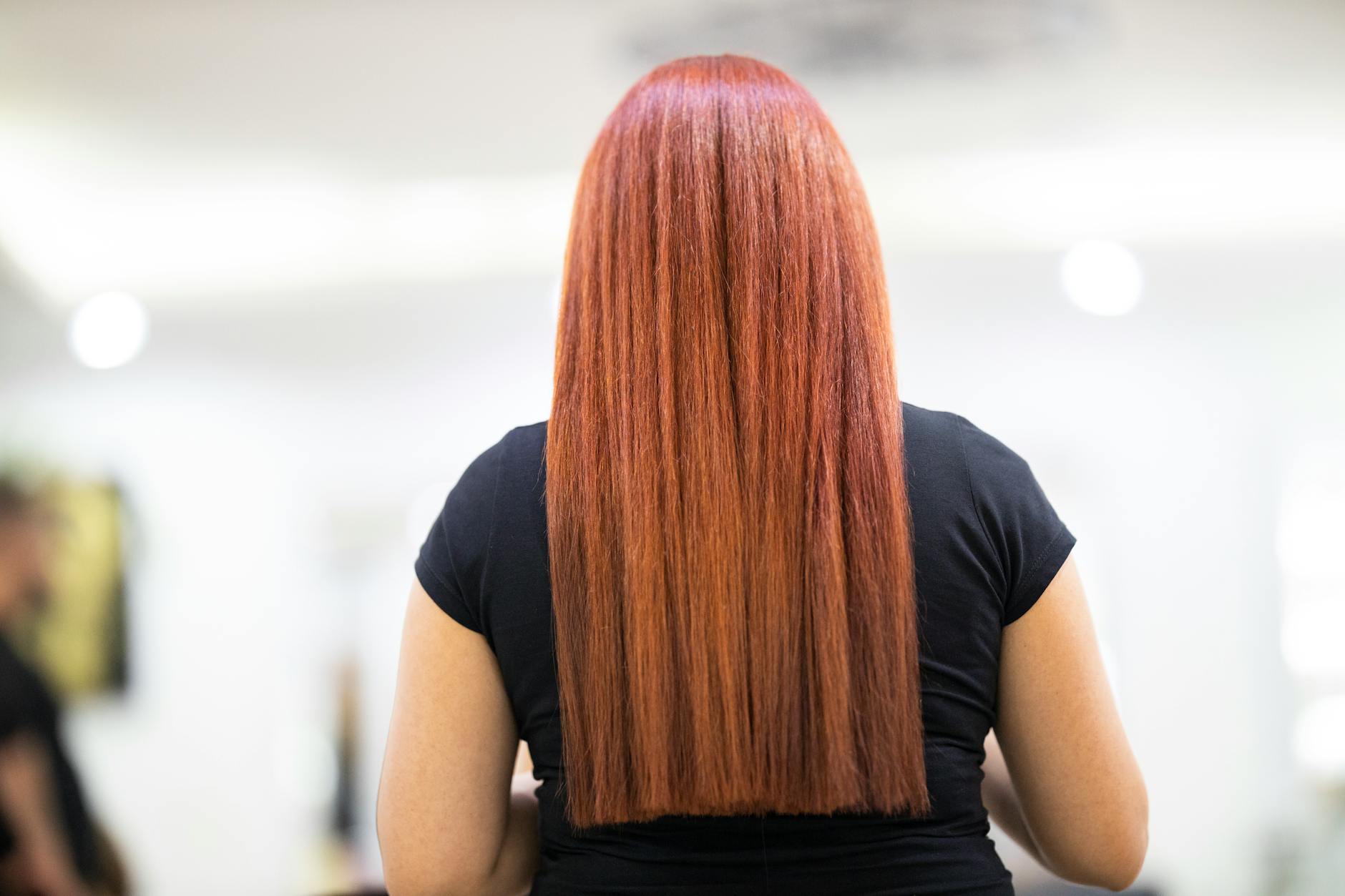
Understanding and Taming Stringy Hair
Does your hair sometimes clump together at the ends, looking more like strands of string than a healthy mane? If so, you're likely dealing with what's commonly called 'stringy hair.' This look, often associated with long, fine, or oily hair, can make even freshly washed hair appear dull and lifeless. But don't worry, this is a common concern with many effective solutions! We'll explore what causes stringy hair, how to identify it, and provide practical tips tailored for Indian readers on how to achieve fuller, more vibrant-looking hair.
What Exactly is Stringy Hair?
Stringy hair typically refers to hair that appears thin, separated into distinct strands, and often looks greasy or weighed down. It’s not necessarily about the health of your hair in terms of damage, but rather how the hair strands behave and interact. This can happen even if your hair is clean. The main culprits are usually excess oil buildup or product residue that causes the individual hair strands to stick together, especially towards the ends. For those with curly or wavy hair, sometimes dryness or damage from heat styling can also lead to a stringy appearance if the curls lose their definition and become separated.
Why Does My Hair Look Stringy? Common Causes
Several factors can contribute to that frustrating stringy look:
- Excess Oil Production: Your scalp naturally produces sebum, an oil that moisturizes your hair. However, overproduction, especially common in fine or thin hair, can weigh down strands and make them clump together. This is often exacerbated by not washing your hair frequently enough or by using products that are too heavy for your hair type.
- Product Buildup: Styling products like gels, mousses, serums, and even some conditioners can leave residues. If not washed out thoroughly, these can accumulate, making hair look greasy and stringy.
- Hair Type and Length: Fine or thin hair, by its nature, has less volume and can be more prone to showing oil and product buildup. Long hair also tends to accumulate more oil and product down its length, and split ends can further contribute to a stringy appearance.
- Damage and Split Ends: When hair strands become damaged, especially at the tips (split ends), they can fray and separate. This makes them less likely to lie smoothly together, leading to a stringy, unkempt look. Heat styling, chemical treatments, and even rough brushing can cause this.
- Washing Habits: Washing your hair too infrequently allows oil and product to build up. Conversely, overwashing can strip your scalp of its natural oils, potentially leading to your scalp producing even more oil to compensate.
- Diet and Hydration: While less common, nutritional deficiencies or dehydration can sometimes affect hair health, potentially leading to dryness and a stringier appearance.
- Underlying Skin Conditions: In some cases, scalp conditions like psoriasis or eczema can affect oil production and hair health, contributing to a stringy look.
Real-Life Scenario: The Morning Rush Mishap
Meena rushed through her morning routine, quickly applying her usual styling serum to her shoulder-length hair before heading to an important client meeting. As she caught her reflection in the office window, she winced – her hair looked limp and stringy, clinging to her neck in greasy-looking clumps, despite washing it just the night before. She wished she had more time to figure out what was going wrong with her hair.
Styling Tips for Fuller-Looking Hair
The good news is you can manage and style stringy hair to look fuller and healthier. Your approach will depend on your hair type and the cause of the stringiness:
For Long, Fine, or Oily Hair:
- Regular Trims: Getting regular trims (every 6-8 weeks) is essential. This removes split ends, which are a major contributor to stringiness, and can make hair appear healthier and fuller.
- Volumizing Techniques: Blow-dry your hair with your head flipped upside down. This lifts the roots away from the scalp, creating instant volume. Use a round brush to further lift sections as you dry.
- Strategic Conditioner Use: Apply conditioner only to the mid-lengths and ends of your hair. Avoid applying it directly to the scalp, as this can increase oiliness and weigh your hair down.
- Clarifying Shampoos: Incorporate a clarifying shampoo into your routine once a week or every two weeks. This helps remove stubborn product buildup and excess oil, resetting your hair.
- Lightweight Styling Products: Opt for volumizing mousses or sprays rather than heavy creams or serums. Apply them sparingly, focusing on the roots for lift.
For Curly or Wavy Hair:
- Brush Before Washing: Gently detangle your curly hair with a wide-tooth comb or your fingers *before* you shower. Avoid brushing or combing wet hair, as this can disrupt your natural curl pattern and lead to frizz and stringiness.
- Product Application Timing: Apply your styling products (like curl creams or gels) when your hair is about halfway dry. This helps to define your curls without weighing them down.
- Lightweight Curl Products: Choose curl-defining creams or gels that are specifically labeled as lightweight. Heavy formulas can cause curls to clump unattractively.
- Avoid Over-Brushing When Dry: Once your hair is dry, try not to touch it too much. Excessive brushing will break up your curls and make them look stringy.
For Damaged Hair with Split Ends:
- Deep Conditioning Treatments: Use a nourishing hair mask or deep conditioner weekly. Look for ingredients like argan oil, shea butter, or keratin.
- Leave-In Treatments: A lightweight leave-in conditioner or a serum containing oils like argan or castor oil can help smooth split ends and reduce frizz, making the ends look less stringy and more cohesive.
- Protective Styles: Consider styles like braids or buns that protect your ends from friction and further damage.
Key Steps to Combat Stringy Hair
Here’s a practical action plan:
- Assess Your Products: Are you using heavy gels or creams? Switch to lighter, water-based formulas. Consider a clarifying shampoo to remove any existing buildup.
- Refine Your Washing Routine: Ensure you're washing regularly enough to manage oil but not so often that you strip your scalp. Focus conditioner on the ends.
- Consider a Haircut: Even a small trim can make a significant difference in how healthy and full your hair looks.
- Gentle Styling: Minimize heat styling and be gentle when brushing, especially if your hair is curly or damaged.
Prevention: Keeping Stringiness at Bay
Preventing stringy hair is often easier than fixing it. Here’s how:
- Consistent Clarifying: Use a clarifying shampoo periodically to prevent oil and product buildup.
- Nutrient-Rich Diet: Ensure your diet is balanced and includes plenty of vitamins and minerals. Healthy hair starts from within. Think about including sources of biotin, iron, and omega-3 fatty acids.
- Proper Hair Care: Avoid harsh brushing, excessive heat, and tight hairstyles that can cause breakage.
- Scalp Health: Keep your scalp clean and healthy. If you have persistent oiliness or scalp issues, address them promptly.
When to Consult a Doctor or Dermatologist
While stringy hair is often a styling or product issue, there are times when you should seek professional advice:
- Sudden or Severe Hair Loss: If your stringy hair is accompanied by a noticeable increase in hair shedding, consult your doctor or a dermatologist. This could indicate an underlying medical condition.
- Persistent Scalp Issues: If you have ongoing scalp problems like excessive itching, redness, scaling (like psoriasis or eczema), or persistent greasiness that doesn't improve with over-the-counter treatments, see a dermatologist. They can diagnose and treat the underlying condition.
- Concerns About Hair Texture Changes: If you notice a significant and unexplained change in your hair's texture, it's worth discussing with a healthcare professional.
Frequently Asked Questions (FAQ)
Q1: Can fine hair always be made to look less stringy?
Yes, while fine hair has its own characteristics, you can significantly improve its appearance by using volumizing techniques, lightweight products, and regular trims to manage split ends.
Q2: How often should I use a clarifying shampoo?
For most people, once every 1-2 weeks is sufficient. If you use a lot of styling products or have very oily hair, you might need it weekly. Listen to your hair – if it feels weighed down, it’s time for a clarifying wash.
Q3: Is it okay to use hair oil on stringy hair?
Use oils sparingly and focus them on the ends, especially if you have split ends. Avoid applying oil directly to your scalp or roots, as this will likely make your hair look greasier and stringier.
Q4: Can stress cause my hair to become stringy?
While stress can lead to hair loss and changes in hair texture over time, it doesn't directly cause hair to become stringy in the way oil or product buildup does. However, stress-related hair issues should be discussed with a doctor.
Managing stringy hair involves understanding its causes and adopting the right care and styling routines. By incorporating these tips, you can regain confidence and enjoy healthier, fuller-looking hair!