

Emergency & Help
24/7 Emergency & General Advisory
🚨 24/7 Medical Emergency
Non-Emergency Advisory
10:00 AM – 6:00 PM, Mon–Sat
For appointments & general queries.
24/7 Emergency & General Advisory
🚨 24/7 Medical Emergency
Non-Emergency Advisory
10:00 AM – 6:00 PM, Mon–Sat
For appointments & general queries.
Explore safe and effective ways to remove peach fuzz from your face, including dermaplaning, shaving, and threading. Learn what to avoid and when to consult a professional for smoother skin.
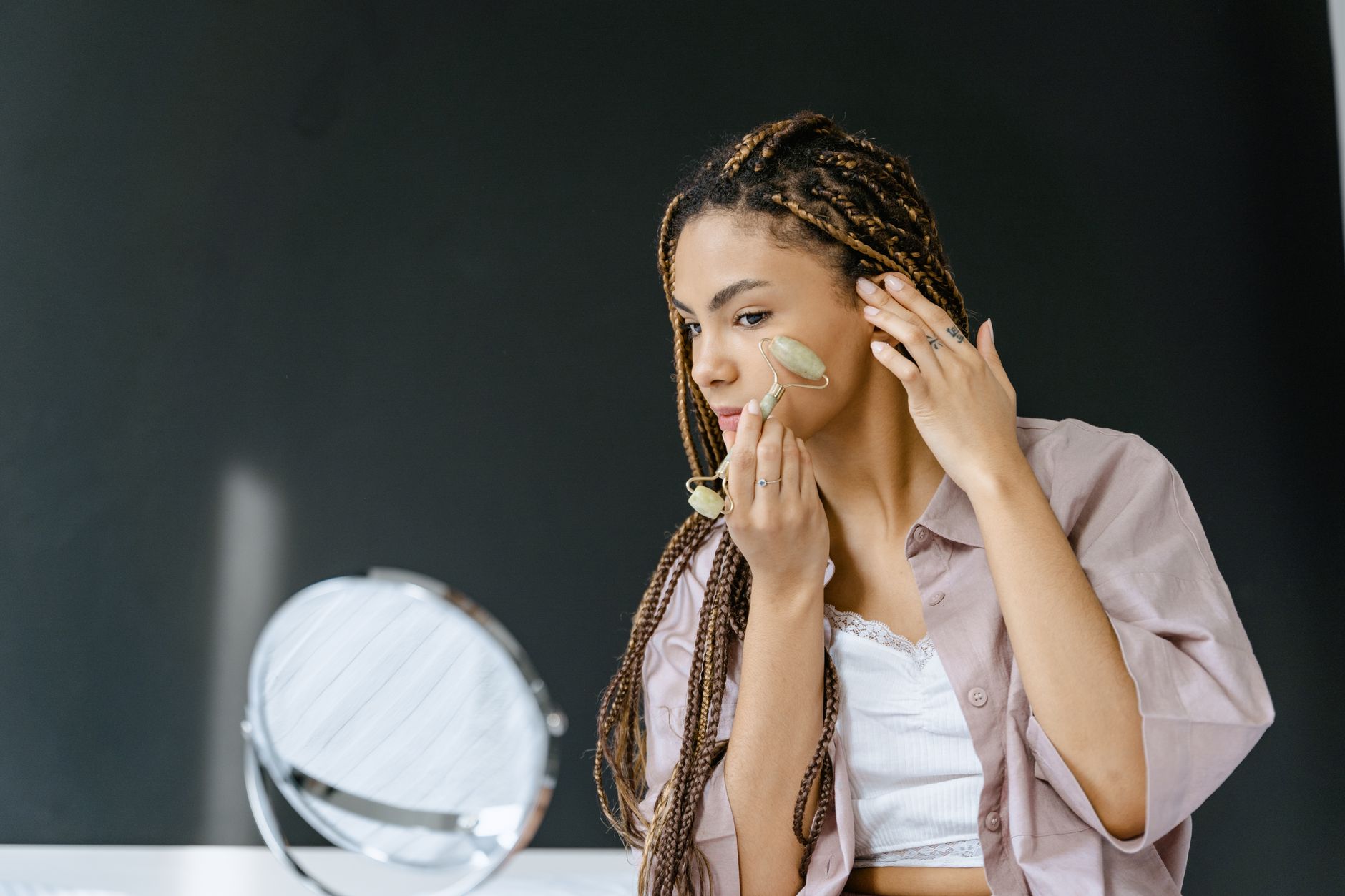
Ever looked in the mirror and noticed that fine, almost invisible hair on your face? It’s commonly called ‘peach fuzz,’ and while it’s totally natural, some of us prefer a smoother canvas. Whether it’s for better makeup application or just that clean-skin feeling, you’ve got options! But hold on, not all methods are created equal, and some can cause more trouble than they’re worth. Let’s navigate the world of peach fuzz removal, focusing on safe, effective techniques suitable for us here in India. What Exactly is Peach Fuzz? Peach fuzz, scientifically known as vellus hair, is that super fine, short, and light-colored hair that covers most of your body, including your face. Unlike the coarser terminal hairs (think eyebrows or leg hair), vellus hair is soft and often barely noticeable. However, under certain lighting or when you’re aiming for that flawless makeup look, it can become more apparent. Many people choose to remove it for aesthetic reasons, wanting a smoother skin texture and improved makeup adherence. Why Consider Removing Peach Fuzz? The decision to remove peach fuzz is entirely personal. Here are a few common reasons: Smoother Makeup Application: Foundation and other makeup products glide on more evenly over smooth skin, preventing that cakey or patchy look. Improved Skin Texture: A fuzz-free face can feel incredibly smooth to the touch. Enhanced Skincare Product Absorption: Some believe that removing the fine hairs allows skincare products to penetrate the skin more effectively. Personal Preference: Simply put, some people just prefer the feeling and appearance of hair-free skin. Safe Peach Fuzz Removal Methods When it comes to your face, safety first is the mantra! Here are some effective methods, keeping in mind that professional consultation is always a good idea, especially if you have sensitive skin. 1. Dermaplaning What it is: This is a professional treatment where a specialist uses a sterile surgical scalpel to gently scrape away the top layer of dead skin cells and fine vellus hairs. It’s like a super-exfoliation and hair removal in one! How it works: The esthetician or dermatologist holds the skin taut and uses short, precise strokes with the scalpel at a 45-degree angle. It effectively removes the peach fuzz along with dull skin cells. Pros: Instantly reveals smoother, brighter skin. Improves skin texture and can help with minor acne scars. Makeup application becomes significantly easier. Safe for most skin types when performed by a trained professional. Cons: Best done by a professional to avoid nicks and cuts. Can cause temporary redness. Not suitable if you have active acne breakouts or very sensitive skin. Results are temporary, lasting a few weeks. What to expect: You’ll feel a gentle scraping sensation. Afterward, your skin will feel incredibly smooth. Follow your professional’s aftercare instructions, which usually involve gentle cleansing and moisturizing, and strict sun protection. 2. Shaving (with Caution!) What it is: Yes, shaving! While it might sound counterintuitive, using a dedicated facial razor can be an effective way to remove peach fuzz. The key is using the right tool and technique. How it works: You’ll need a small, sharp facial razor or a standard razor with a clean, new blade. Apply a gentle shaving cream or gel and shave in short, upward strokes against the direction of hair growth. Always be gentle! Pros: Readily accessible and inexpensive. Quick and easy to do at home. No harsh chemicals involved. Cons: Risk of cuts, nicks, and razor burn if not done carefully. Hair doesn’t grow back thicker or darker (a common myth!), but it might feel slightly blunt as it regrows. May require frequent shaving for best results, as hair grows back from the surface. Can cause irritation, especially for sensitive skin. What to expect: Shave on clean, dry or slightly damp skin with a shaving product. Use light pressure. Rinse the razor frequently. After shaving, rinse your face with cool water and apply a soothing, fragrance-free moisturizer. Avoid harsh exfoliants or active ingredients immediately after. 3. Threading What it is: A traditional hair removal technique using a cotton thread. It’s highly effective for removing fine hairs. How it works: A skilled practitioner twists a cotton thread, creating loops that catch and pull out hairs from the follicle. While often used for eyebrows, it can be used for the entire face. Pros: Removes hair from the root, leading to longer-lasting results (up to 5 weeks). No chemicals are involved. Can be quite precise. Cons: Can be painful, especially for those new to it. Requires a skilled professional to avoid skin irritation or bruising. Potential for redness and temporary bumps. What to expect: Expect some discomfort. The area might be red for a short while after. It’s crucial to find an experienced threader. Aftercare involves keeping the area clean and avoiding heavy makeup or sun exposure for a day. 4. Epilators (Use with Extreme Caution on Face) What it is: Electrical devices with rotating tweezers that pull out hairs from the root. How it works: The epilator’s head is passed over the skin, and the tiny tweezers grab and remove multiple hairs simultaneously. Pros: Removes hair from the root, providing longer-lasting results. Can be used at home. Cons: Can be very painful, especially on the face. High risk of irritation, redness, and ingrown hairs. Not generally recommended for the fine vellus hair of the face due to the potential for irritation and damage to the skin barrier. Can be difficult to use effectively on such fine hairs. What to expect: If you choose to try this, use a facial epilator model, keep the skin taut, and start on a low setting. Expect pain and potential redness. Many dermatologists advise against epilating the face for peach fuzz. Methods to Approach with Caution or Avoid Some methods might seem tempting, but they carry a higher risk of irritation or damage for facial hair removal. 1. Waxing and Sugaring Why caution: While effective for body hair, waxing and sugaring can be too harsh for the delicate facial skin, especially for removing fine vellus hair. The pulling action can cause redness, irritation, bruising, and even lift the top layer of skin, leading to pigmentation issues or damage, particularly if you use certain acne medications or have sensitive skin. 2. Depilatory Creams Why caution: These creams use chemicals to dissolve hair. While they work for coarser hair, the chemicals can be extremely irritating and cause chemical burns or allergic reactions on the sensitive facial skin. Always do a patch test, but even then, the risk is significant. Ensure the product is specifically labeled for facial use and follow instructions meticulously. Many find them too harsh for peach fuzz. 3. Bleaching Why caution: Bleaching doesn’t remove hair; it just lightens it. While it might make peach fuzz less visible, it doesn't address the texture or smooth feel. Furthermore, the chemicals in bleaching agents can irritate and dry out the skin, potentially causing redness and sensitivity. Important Considerations Before Removal Skin Type: Is your skin oily, dry, sensitive, or combination? Sensitive skin needs gentler methods. Current Skincare Routine: Are you using any active ingredients like retinoids, acids (AHA/BHA), or prescription acne treatments? These can make your skin more vulnerable to irritation. Consult your dermatologist before any hair removal procedure. Professional vs. At-Home: For methods like dermaplaning and even threading, professional execution is often safer and yields better results. Aftercare: Proper post-treatment care is vital to soothe the skin and prevent complications. When to Consult a Doctor or Dermatologist It’s always wise to seek professional advice, especially if: You have very sensitive skin or a history of skin conditions like eczema or psoriasis. You are using prescription skincare or acne medications. You experience severe irritation, pain, or unexpected side effects after a removal attempt. You are unsure about the best method for your specific skin type. You notice a sudden increase in facial hair, which could indicate an underlying hormonal issue. FAQ Section Q1: Will my peach fuzz grow back thicker or darker after removal? No, this is a common myth! Peach fuzz (vellus hair) is genetically different from terminal hair. Removing it doesn't affect the hair follicle's growth cycle or the hair's structure. It will grow back as the same fine, light hair it was before. Q2: How often can I remove peach fuzz? This depends on the method used and your hair growth rate. Shaving might be done daily or every few days. Dermaplaning and threading results can last several weeks. Listen to your skin; if it needs a break, give it one. Q3: Can I remove peach fuzz if I have acne? Be extremely careful. Shaving can be done gently, but avoid any method that involves pulling, waxing, or harsh chemicals on active breakouts. Dermaplaning is generally not recommended over active acne. Consult your dermatologist for the safest options. Q4: Is peach fuzz removal painful? The level of pain varies significantly by method. Shaving and dermaplaning are generally painless. Threading can be uncomfortable. Epilating is often described as painful. Waxing and sugaring can also cause
In summary, timely diagnosis, evidence-based treatment, and prevention-focused care improve long-term health outcomes.
Visit Hospital
Near You
Locate top renal specialists in Khagaria for expert diagnosis and treatment of kidney diseases. Ensure optimal kidney health.
May 19, 2026
Discover how to find the best surgeon in Munger. Learn key factors to consider for safe and effective surgical treatment.
May 18, 2026
Access reliable home doctor visits in Pune. Get expert medical care, diagnosis, and treatment without leaving your home.
April 26, 2026