

Emergency & Help
24/7 Emergency & General Advisory
🚨 24/7 Medical Emergency
Non-Emergency Advisory
10:00 AM – 6:00 PM, Mon–Sat
For appointments & general queries.
24/7 Emergency & General Advisory
🚨 24/7 Medical Emergency
Non-Emergency Advisory
10:00 AM – 6:00 PM, Mon–Sat
For appointments & general queries.
Learn the exact amount of sunscreen you need for your face and neck to ensure optimal sun protection against UVA and UVB rays. Practical tips for Indian readers.
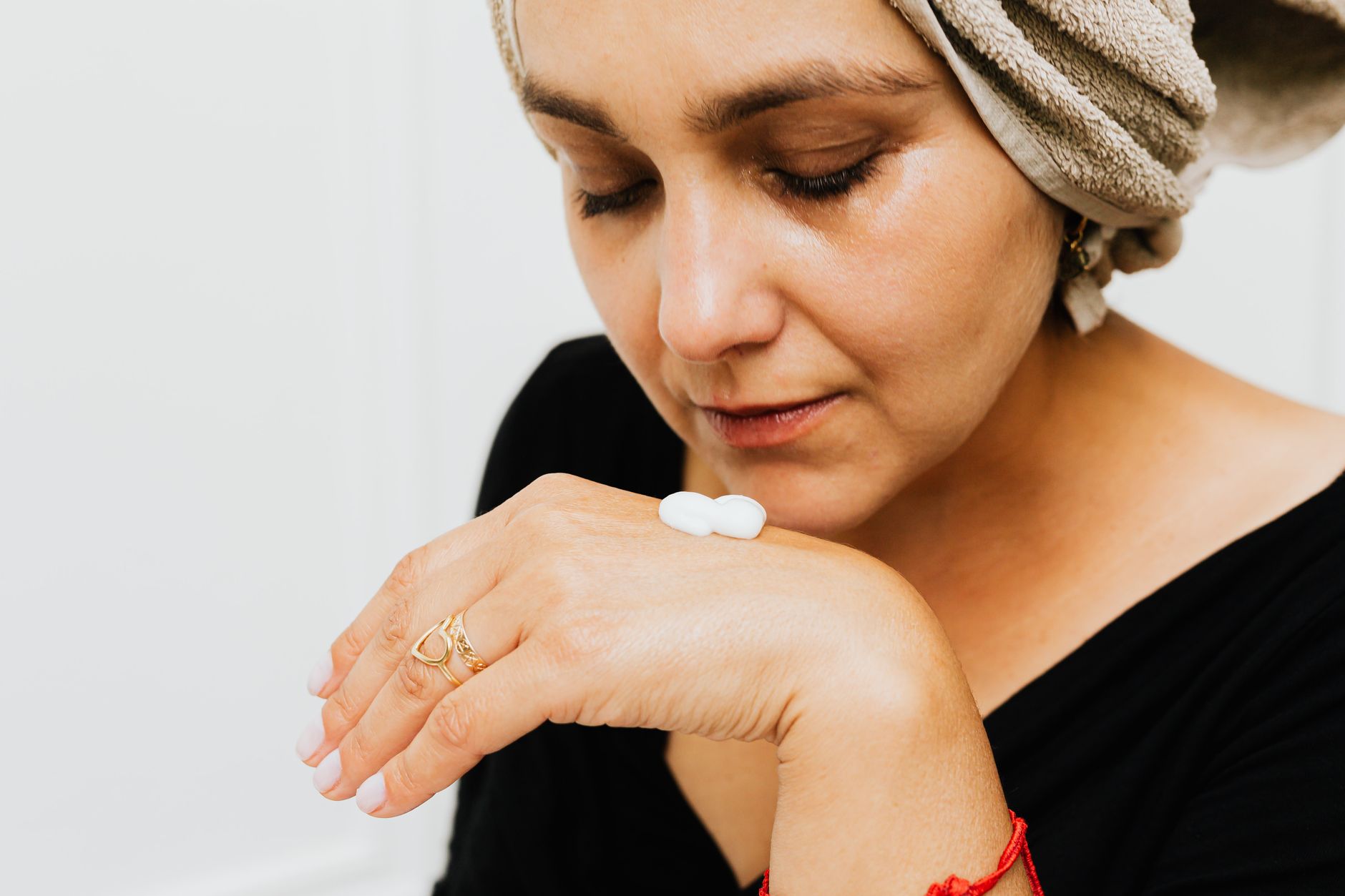
Hey there! Let's chat about something super important for your skin, especially for us Indians who love our sunshine but also want to protect our precious skin: sunscreen! You might be wondering, "How much sunscreen do I *really* need to slather on my face?" It's a question many of us have, and the answer is more precise than you might think. Getting it right is key to shielding your skin from the sun's harsh UVA and UVB rays, which can lead to everything from annoying sunburns to more serious issues like premature aging and even skin cancer. So, let's break down the science and give you some easy, practical tips to make sure you're using the right amount, every single time.
Before we dive into the 'how much,' let's quickly remind ourselves *why* this is so vital. The sun emits ultraviolet (UV) radiation. There are two main types that affect our skin: UVA and UVB.
Using a broad-spectrum sunscreen is absolutely essential because it protects you from *both* UVA and UVB rays. Don't just pick any bottle; always look for that 'broad-spectrum' label!
This is where it gets practical. Dermatologists often recommend using about 1/4 teaspoon of sunscreen for your face alone. Think of it as the size of a dime. If you're also covering your neck, you'll need a bit more, perhaps closer to a 1/2 teaspoon in total. It sounds small, but it’s the amount needed to achieve the SPF protection stated on the bottle.
Why such a specific amount? Sunscreen works by creating a protective barrier on your skin. If you don't apply enough, that barrier is thin and patchy, leaving significant areas of your skin exposed to those damaging UV rays. You might as well be wearing nothing!
Who carries measuring spoons to the beach or a picnic? Nobody! Luckily, there are super simple ways to eyeball the correct amount using just your hands:
Remember, these are guidelines. Your face shape and size might vary, so adjust slightly as needed. The goal is to have a visible, even layer of sunscreen before you rub it in completely.
When applying sunscreen, it's easy to miss spots. Make sure you cover:
While applying the right amount of sunscreen is paramount, it's not the only line of defense. Think of it as part of a comprehensive sun protection strategy:
Sunscreen doesn't last forever on your skin. You need to reapply it throughout the day. Here’s when:
It's a common misconception that darker skin tones don't need sunscreen. While melanin offers some natural protection, it's not enough to prevent sun damage or skin cancer. People with all skin tones can experience sunburn, premature aging, and an increased risk of skin cancer from UV exposure. So, yes, sunscreen is for everyone, regardless of your complexion!
While daily sunscreen use is a preventative measure, you should see a dermatologist if you notice any of the following:
Regular skin check-ups with a dermatologist are also highly recommended, especially if you have a history of significant sun exposure or a family history of skin cancer.
A1: Many face creams have SPF, which is great for daily, incidental exposure. However, they often don't contain enough sunscreen to provide adequate protection for prolonged outdoor activities. The amount of product you typically use for a moisturizer is often less than what's needed to achieve the stated SPF. It's best to use a dedicated broad-spectrum sunscreen with an SPF of 30 or higher for optimal protection.
A2: Yes, absolutely! Sunscreens typically have an expiration date, usually about three years from the manufacturing date. After this date, the active ingredients break down and become less effective. Always check the expiration date on your sunscreen bottle and discard any expired products.
A3: SPF (Sun Protection Factor) primarily measures protection against UVB rays. SPF 30 blocks about 97% of UVB rays, while SPF 50 blocks about 98%. While the difference might seem small, for individuals with very fair skin or those who burn easily, the extra 1% can make a difference. However, the most important factor is applying enough sunscreen and reapplying it regularly, regardless of whether you choose SPF 30 or SPF 50.
A4: Both mineral (physical) and chemical sunscreens are effective when used correctly. Mineral sunscreens (containing zinc oxide and titanium dioxide) sit on top of the skin and physically block UV rays. They are often recommended for sensitive skin. Chemical sunscreens absorb UV rays and convert them into heat. The best sunscreen for you is the one you will use consistently and correctly!
So there you have it! Protecting your face from the sun is a simple yet powerful habit. By using the right amount of broad-spectrum sunscreen and combining it with other protective measures, you're investing in the long-term health and beauty of your skin. Stay sun-safe, everyone!
Visit Hospital
Near You
Locate top renal specialists in Khagaria for expert diagnosis and treatment of kidney diseases. Ensure optimal kidney health.
May 19, 2026
Discover how to find the best surgeon in Munger. Learn key factors to consider for safe and effective surgical treatment.
May 18, 2026
Access reliable home doctor visits in Pune. Get expert medical care, diagnosis, and treatment without leaving your home.
April 26, 2026