

Emergency & Help
24/7 Emergency & General Advisory
🚨 24/7 Medical Emergency
Non-Emergency Advisory
10:00 AM – 6:00 PM, Mon–Sat
For appointments & general queries.
24/7 Emergency & General Advisory
🚨 24/7 Medical Emergency
Non-Emergency Advisory
10:00 AM – 6:00 PM, Mon–Sat
For appointments & general queries.
Discover the world of clean perfumes! Learn what makes a fragrance 'clean,' why it matters for your health, and explore top picks that offer beautiful scents without potentially harmful ingredients.
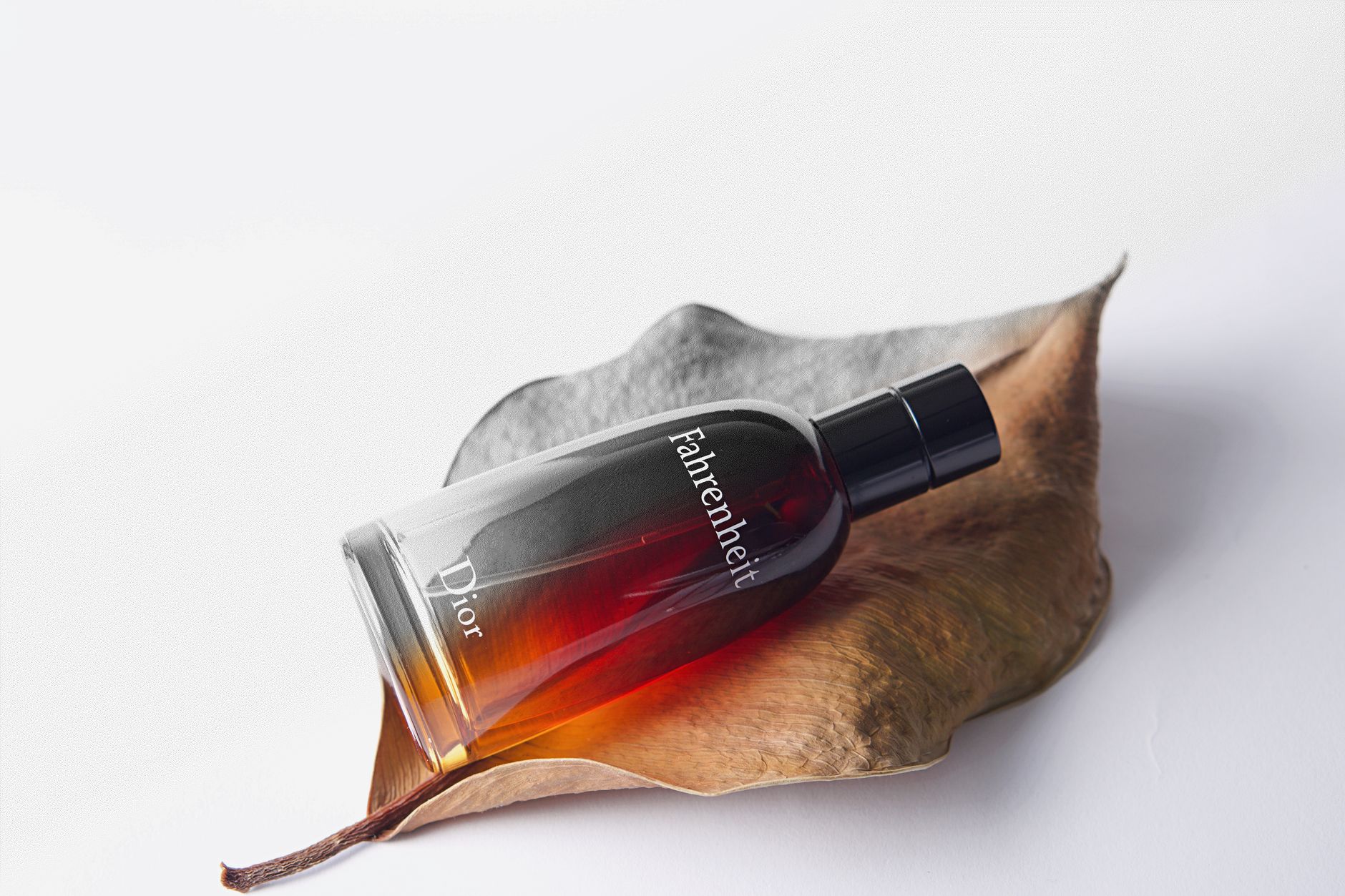
In today's world, we're increasingly mindful of what we put on and in our bodies. From organic foods to natural skincare, the focus on health and wellness extends to every aspect of our lives. This growing awareness has naturally led many of us to question the ingredients in our favorite perfumes. Have you ever picked up a perfume bottle and wondered about that long, unpronounceable list of ingredients? You're not alone! The good news is that the beauty industry has responded, and 'clean' fragrances are becoming more accessible and popular.
The market for clean fragrances is booming. Trade magazine BusinessWire reported a projected growth of $1.39 billion in the clean fragrance industry between 2019 and 2023. This isn't just a fleeting trend; it signals a significant shift in consumer demand for transparency and minimal, safer ingredients in the products we use daily.
The term 'clean' in beauty products, including perfumes, doesn't have a strict, universally defined regulatory standard like 'organic' food might. However, for most brands and consumers, 'clean' generally means a product is formulated without certain ingredients that are considered potentially harmful or irritating. These often include:
Ginger King, a cosmetic chemist, defines clean fragrances as scents with ingredients that won't cause skin or photo-sensitivity. It's about using ingredients that are kinder to your skin and less likely to cause adverse reactions.
Traditional perfumes can contain a vast array of ingredients. The International Fragrance Association lists nearly 3,000 potential fragrance ingredients, and many of these are synthetic chemicals. Research suggests that some of these fragrance compounds can trigger unwelcome health effects for some individuals. These might include:
Furthermore, phthalates, which are common in many conventional perfumes, have raised concerns. A 2016 study indicated that phthalates might be linked to birth defects in males. While the science is complex and ongoing, many people prefer to avoid these chemicals as a precautionary measure.
Consider the scenario: Priya loves her signature scent, a popular designer perfume. However, lately, she's been experiencing headaches shortly after applying it, and sometimes even a slight rash on her wrists where she sprays it. She wonders if her beloved fragrance might be the culprit, prompting her search for gentler alternatives.
It's important to understand that 'natural' doesn't automatically equate to 'safe for everyone.' Essential oils, derived from plants, are natural and form the basis of many clean fragrances. However, even natural ingredients can cause sensitivities or allergic reactions in some individuals. What works beautifully for one person might not suit another. Skin sensitivity is highly personal.
The key difference with clean perfumes is transparency. Reputable clean fragrance brands are usually very upfront about their ingredient lists. You'll often find them clearly stating what they *don't* include (like parabens, sulfates, phthalates) and highlighting the natural or organic components they *do* use.
When you're shopping for a clean fragrance, keep these points in mind:
Finding a clean perfume that suits your personal style is now easier than ever. While scent preference is subjective, here are a few highly-regarded options known for their clean formulations:
This brand is celebrated for its high-end, clean fragrances. The No.04 scent is a popular choice, often described as a warm, woody, and slightly spicy aroma. It's known for its complexity and sophisticated blend of notes, making it a favorite for those who appreciate a more grounded, earthy fragrance. Many users appreciate that it feels luxurious without harsh chemicals.
The 7 Virtues focuses on creating ethical and affordable fragrances. Their Vetiver Elemi scent offers a fresh, clean aroma with prominent notes of vetiver and elemi, often perceived as clean, green, and slightly smoky. It's a great option for everyday wear, providing a sophisticated scent profile that is both uplifting and calming. The brand emphasizes fair trade ingredients.
Heretic is known for its bold, high-end clean fragrances. Dirty Lemon is a standout scent featuring notes of lemon peel extract, bergamot, and sandalwood. Reviewers often note how this fragrance evolves on the skin, becoming more nuanced and intriguing as it dries down. It's a vibrant, citrus-forward option that remains sophisticated.
As the name suggests, this fragrance aims for a pure, comforting scent. Warm Cotton is often likened to the smell of fresh laundry drying in the sun or clean, warm skin. It features notes of citrus, orange flowers, amber, and musk, creating a light, airy, and subtly floral aroma. It’s perfect for those who prefer a 'your skin but better' scent profile that evokes freshness and simplicity.
Beyond these, many other brands offer clean fragrances at various price points. Some affordable options might feature notes of black currant, peony, and amber, providing a lovely floral and fruity blend that feels both cheerful and luxe. While some reviewers mention these scents might fade faster, they offer an accessible entry into the world of clean perfumery.
While clean perfumes aim to be gentler, it's still possible to experience reactions. If you notice any of the following after using a new fragrance, even a clean one, it's wise to stop using it and consult a healthcare professional, particularly a dermatologist:
A doctor can help determine if the fragrance is the cause of your symptoms and advise on the best course of action for your skin or respiratory health.
Choosing a clean perfume is a step towards a more mindful approach to personal care. It's about enjoying the sensory pleasure of fragrance without the worry of potentially irritating or harmful ingredients. With increasing transparency from brands and a growing variety of beautiful scents available, embracing clean perfumery is a simple yet impactful way to care for your well-being. Explore the options, trust your senses, and find a fragrance that makes you feel good, inside and out.
Q1: Can natural ingredients in perfumes still cause allergies?
Yes, absolutely. Even natural ingredients like essential oils can cause allergic reactions or skin sensitivities in some individuals. It's always best to do a patch test on a small area of skin before applying a new perfume all over.
Q2: How can I tell if a perfume is truly 'clean'?
Look for brands that are transparent about their ingredient lists and specifically state they are free from common irritants like parabens, sulfates, phthalates, and synthetic fragrances. Certifications like 'vegan' or 'cruelty-free' can also be indicators of a brand's commitment to cleaner formulations, though they don't guarantee 'clean' in the absence of specific chemicals.
Q3: Do clean perfumes last as long as traditional ones?
The longevity of a fragrance depends on many factors, including the concentration of oils, the specific ingredients used, and individual body chemistry. Some clean perfumes, especially those with a higher concentration of essential oils or base notes, can last quite long. Others, particularly lighter, more citrus-based scents, might require reapplication throughout the day. It varies by brand and scent profile.
Q4: Where can I find lists of potentially harmful fragrance ingredients?
Organizations like the Environmental Working Group (EWG) provide databases and information on cosmetic ingredients. You can also look for resources from cosmetic chemists or regulatory bodies that discuss common fragrance allergens and irritants. Always check the ingredient list on the product itself.
Visit Hospital
Near You
Locate top renal specialists in Khagaria for expert diagnosis and treatment of kidney diseases. Ensure optimal kidney health.
May 19, 2026
Discover how to find the best surgeon in Munger. Learn key factors to consider for safe and effective surgical treatment.
May 18, 2026
Access reliable home doctor visits in Pune. Get expert medical care, diagnosis, and treatment without leaving your home.
April 26, 2026