

Emergency & Help
24/7 Emergency & General Advisory
🚨 24/7 Medical Emergency
Non-Emergency Advisory
10:00 AM – 6:00 PM, Mon–Sat
For appointments & general queries.
24/7 Emergency & General Advisory
🚨 24/7 Medical Emergency
Non-Emergency Advisory
10:00 AM – 6:00 PM, Mon–Sat
For appointments & general queries.
Explore the benefits and risks of using tomato on your face for skincare. Learn about exfoliation, hydration, and important precautions for Indian skin.
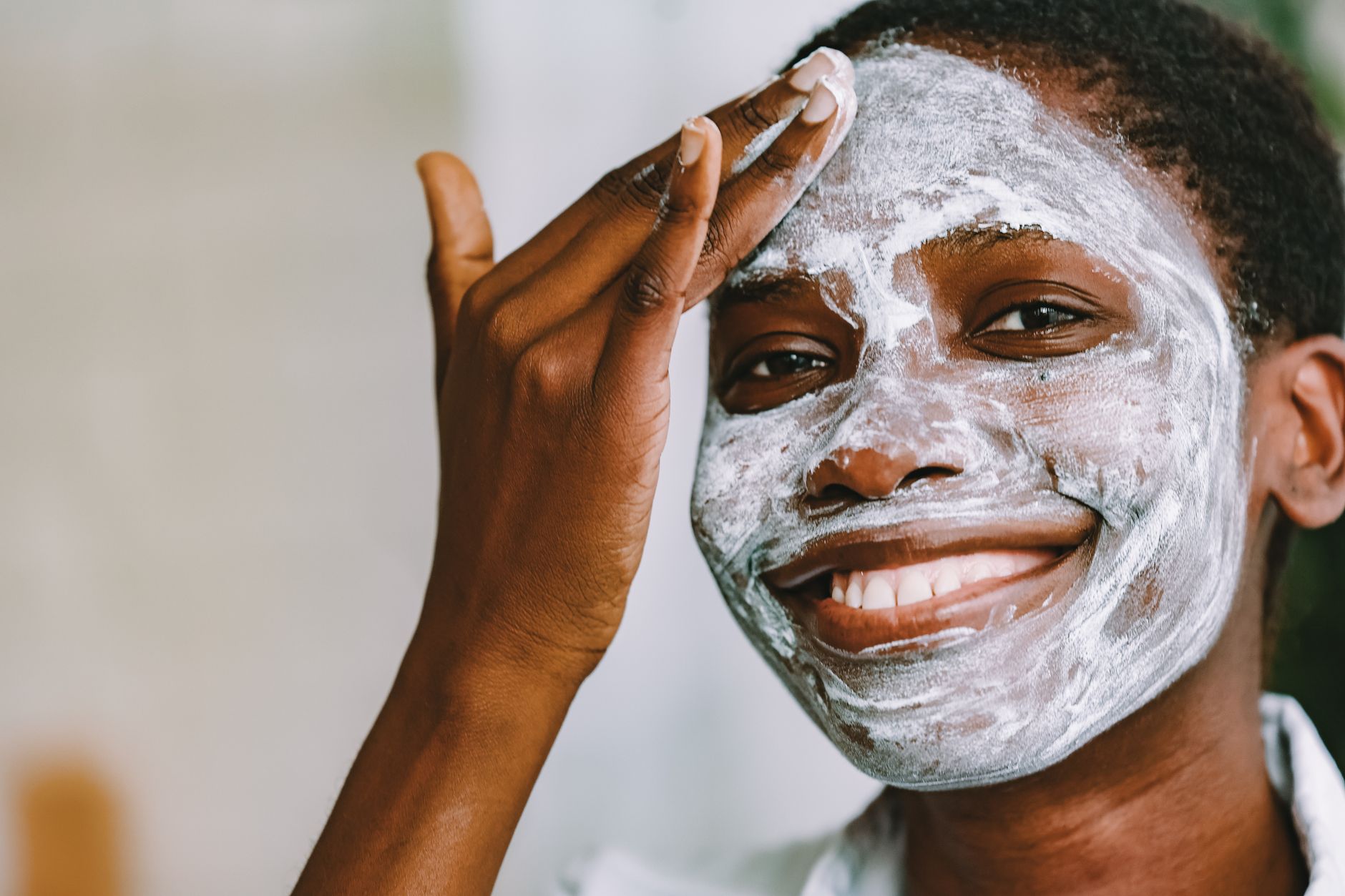
Tomatoes, a common sight in Indian kitchens, are known for their rich flavour and nutritional value. But have you ever considered using them beyond your plate for your skin? Many people in India and around the world are exploring the use of tomatoes in their facial skincare routines, claiming benefits from exfoliation to moisturisation. Let's explore what science says and what traditional wisdom suggests about rubbing tomatoes on your face.
Tomatoes are packed with vitamins and antioxidants. They contain Vitamin C, which is known for its skin-brightening properties, and lycopene, a powerful antioxidant that gives tomatoes their red colour and may offer protection against sun damage. Other vitamins like B-1, B-3, B-5, B-6, and B-9 are also present, contributing to skin health. However, it's important to understand that most of the scientific research has focused on the benefits of consuming tomatoes rather than applying them directly to the skin.
While studies highlight the internal benefits of antioxidants found in tomatoes, direct topical application research is limited. For instance, a review in Dermato-Endocrinology noted that clinical studies primarily focus on consumption. This means that while tomatoes are undoubtedly healthy to eat, the exact benefits of rubbing them on your face are largely based on anecdotal evidence and traditional practices.
Proponents of natural skincare suggest that tomatoes can offer several benefits for facial skin:
Exfoliation is key to removing dead skin cells, revealing brighter and smoother skin underneath. Advocates believe that the natural enzymes and acids in tomatoes can act as a gentle exfoliant. Some sources suggest that the pectin and flavonoids in tomatoes have cleansing and antioxidant properties that can help improve skin texture. A study on herbal exfoliants indicated potential benefits, lending some support to this idea.
Dry skin is a common concern, especially in varying Indian climates. Since tomatoes are a good source of potassium, some natural healers propose that applying tomato directly to the skin can help address dryness. The idea is that this potassium may help in retaining moisture. However, scientific evidence directly supporting topical tomato application for moisturisation is scarce. Traditional moisturisers are often more effective for significant dryness.
Free radicals are unstable molecules that can damage skin cells, leading to premature ageing like wrinkles and fine lines. Tomatoes contain antioxidants like Vitamin C and lycopene. These are known to combat free radicals. A study in the Journal of Dermatological Science highlighted how free radicals can harm skin cells. While consuming lycopene-rich foods like tomatoes can offer lifelong protection against UV radiation, the effectiveness of topical application in delivering these antioxidants to the skin is still under investigation.
A study published in Photochemical and Photobiological Sciences found that consuming lycopene-rich plants, including tomatoes, could help protect against harmful UV radiation. During a 12-week study, volunteers who ate tomato-derived products showed decreased sensitivity to the sun. While this relates to consumption, some believe topical application might offer a milder, complementary effect, though this is not scientifically proven.
If you're keen to try tomato for your skin, here are some ways it's commonly used:
The simplest method is to slice a ripe tomato and gently rub the slices over your clean face. Leave the juice on for about 10-15 minutes, then rinse with cool water. This is often suggested for a mild exfoliating and refreshing effect.
Mash a ripe tomato or blend it into a pulp. You can apply this pulp directly to your face as a mask. For added benefits, you could mix it with a teaspoon of honey (known for its antibacterial and humectant properties) or a little yogurt (for lactic acid exfoliation). Leave it on for 15-20 minutes before rinsing.
You can extract fresh tomato juice and use it as a facial toner. Apply it with a cotton ball after cleansing your face. Let it air dry, and then follow up with your regular moisturiser. This is thought to help balance the skin's pH.
While tomatoes are generally safe and healthy, applying them to your face isn't without risks, especially for sensitive Indian skin types:
Before applying tomato to your entire face, always perform a patch test. Apply a small amount of tomato juice or pulp to a discreet area of skin, like behind your ear or on your inner arm. Wait for 24 hours to check for any adverse reactions such as redness, itching, or swelling. This is a vital step to prevent a widespread reaction.
Tomatoes are acidic. The high natural acidity can irritate sensitive facial skin, potentially leading to redness, stinging, or a burning sensation. If you experience any discomfort, wash it off immediately.
Just as eating tomatoes can cause an allergic reaction in some individuals, topical application can too. If you have a known allergy to tomatoes, avoid using them on your skin altogether.
While tomatoes might offer some sun protection benefits internally, applying acidic fruit to the skin could potentially increase sun sensitivity in some cases. Always use sunscreen during the day, especially after using any natural remedies on your skin.
While trying natural remedies can be appealing, it's wise to know when professional advice is needed. You should consult a dermatologist or healthcare provider if:
A dermatologist can provide tailored advice based on your skin type and concerns, ensuring you use safe and effective methods for your facial care.
It's generally not recommended to use tomato on your face daily due to its acidity. Start with once or twice a week after a successful patch test. Monitor your skin's reaction.
Tomatoes contain Vitamin C, which can help brighten the skin and reduce dullness over time. However, it's unlikely to cause significant skin lightening or change your natural skin tone. Consistent use of sun protection is more effective for even skin tone.
If your face feels itchy, rinse it off immediately with cool water. Avoid further application. If the itching persists or worsens, consult a dermatologist.
Yes, you can combine tomato pulp with ingredients like honey, yogurt, or oatmeal for added benefits. However, always do a patch test when combining new ingredients.
Tomatoes offer a wealth of nutrients when consumed, contributing to overall health, including skin health. For topical application, while anecdotal evidence suggests benefits like exfoliation and hydration, robust scientific backing is limited. The key is to proceed with caution. Always perform a patch test, be mindful of your skin's sensitivity to acidity, and listen to your skin. If you have specific skin concerns or sensitive skin, consulting a dermatologist is the best way forward to ensure you're using the most appropriate and safe methods for achieving healthy, glowing skin.
Visit Hospital
Near You
Locate top renal specialists in Khagaria for expert diagnosis and treatment of kidney diseases. Ensure optimal kidney health.
May 19, 2026
Discover how to find the best surgeon in Munger. Learn key factors to consider for safe and effective surgical treatment.
May 18, 2026
Access reliable home doctor visits in Pune. Get expert medical care, diagnosis, and treatment without leaving your home.
April 26, 2026