

Emergency & Help
24/7 Emergency & General Advisory
🚨 24/7 Medical Emergency
Non-Emergency Advisory
10:00 AM – 6:00 PM, Mon–Sat
For appointments & general queries.
24/7 Emergency & General Advisory
🚨 24/7 Medical Emergency
Non-Emergency Advisory
10:00 AM – 6:00 PM, Mon–Sat
For appointments & general queries.
Discover the causes, effective treatments, and prevention tips for ashy skin. Learn how to keep your skin hydrated and healthy, especially for Indian skin tones, by understanding environmental factors and choosing the right skincare.
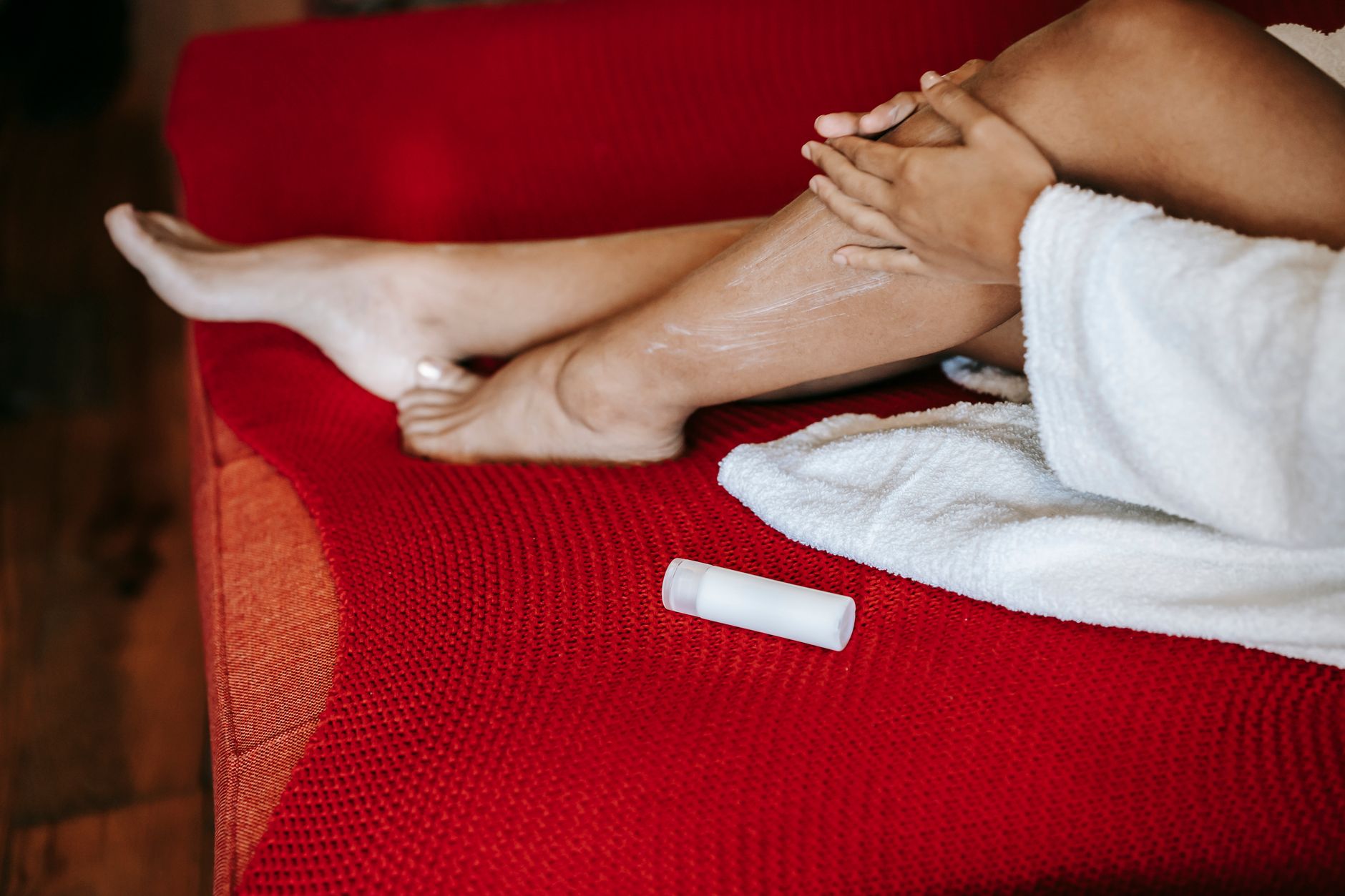
We’ve all seen it, especially on darker skin tones – skin that looks dull, dry, and almost greyish, like a layer of ash has settled on it. This is what we commonly refer to as ‘ashy skin’. While it might look concerning, it’s a very common issue that many people face, regardless of their skin type or tone. In India, with its diverse climate ranging from arid deserts to humid coasts, and the common use of harsh soaps, ashy skin can be a persistent problem for many. This condition, scientifically known as xerosis cutis, essentially means your skin is lacking moisture. It can appear anywhere on your body, but it’s most noticeable on areas like the legs, arms, face, knees, and elbows. For some, it’s just a minor cosmetic concern, a fleeting dryness. But for others, it can lead to discomfort, itching, cracking, and even a burning sensation, making everyday life a bit more difficult. It’s important to understand that having ashy skin doesn’t mean you’re not taking care of yourself. Even with a diligent skincare routine, environmental factors and sometimes underlying health issues can contribute to this dryness. Let’s break down what causes this dryness, how you can effectively treat it, and importantly, how to prevent it from becoming a recurring problem. Why Does Ashy Skin Happen? Exploring the Causes The primary culprit behind ashy skin is a lack of moisture, leaving your skin dehydrated and its natural barrier compromised. This can stem from a variety of factors, some of which are completely within our control, while others are influenced by our environment and even our genetics. Environmental Triggers: The Weather and Your Habits Our surroundings play a huge role in our skin’s hydration levels. In India, we experience extreme weather conditions that can wreak havoc on our skin: Harsh Weather: Think of the dry, cold winter months in North India, or the dry, windy conditions in many parts of the country during certain seasons. Low humidity in the air strips moisture directly from your skin, leaving it feeling tight and looking ashy. Excessive Water Exposure: While we all love a long, hot shower, especially after a tiring day, very hot water can strip your skin of its natural oils. Spending too much time in water, whether it’s bathing or swimming, can also disrupt your skin’s moisture balance. Harsh Personal Care Products: Many soaps, detergents, and even some lotions available in the market contain strong chemicals and fragrances. These can irritate your skin and strip away its natural protective oils, leading to dryness and that ashy appearance. Using strong laundry detergents can also affect the skin on your hands and body if not rinsed out properly. Underlying Medical Conditions: When Skin Dryness Signals More Sometimes, persistently ashy skin can be a sign that something else is going on with your health. It's not always just about the weather or your soap! Irritant Contact Dermatitis: This occurs when your skin comes into contact with a substance that irritates it, causing inflammation, redness, and dryness. Common culprits include harsh soaps, certain fabrics, or even chemicals in household cleaning products. Eczema (Atopic Dermatitis): This chronic skin condition causes itchy, red, and inflamed patches. While it can appear anywhere, it's often seen on the folds of the arms and the back of the knees. Ashy skin can be a symptom of eczema flare-ups. Psoriasis: This autoimmune disease causes raised, red, scaly patches on the skin, frequently appearing on the knees and elbows. The dryness and flakiness associated with psoriasis can certainly make the skin look ashy. Other Conditions: Less commonly, conditions like thyroid problems or certain nutrient deficiencies could also contribute to dry, ashy skin. Consider this common scenario: Meena, a homemaker in her early 40s from Jaipur, noticed her skin becoming increasingly dry and flaky, especially on her legs and elbows, during the winter. She tried various lotions, but nothing seemed to help. She initially thought it was just the dry weather, but the itching started to bother her, and she noticed tiny cracks appearing. This is a classic case where environmental factors combined with potentially inadequate moisturization might be at play, prompting a closer look at her skincare routine. Treating Ashy Skin: Bringing Back the Moisture The good news is that for most cases of ashy skin, effective treatment involves simple, consistent steps to rehydrate and protect your skin. The goal is to replenish lost moisture and strengthen your skin’s natural barrier. Adjust Your Bathing Habits How you clean your skin matters. Small changes can make a big difference: Lukewarm Water is Key: Opt for baths and showers with warm or lukewarm water instead of hot. This prevents stripping away essential natural oils. Limit Shower Time: Try to keep your showers or baths to 5-10 minutes. Prolonged exposure to water, even warm water, can dry out your skin. Gentle Cleansers: Switch to mild, fragrance-free soaps and body washes. Look for products specifically designed for sensitive or dry skin. Avoid harsh bar soaps that can be very drying. A gentle cleansing bar as part of a daily routine can significantly help reduce ashy skin. Moisturize, Moisturize, Moisturize! This is perhaps the most critical step in treating ashy skin. Consistent moisturizing helps lock in hydration and repair the skin barrier. The Golden Rule: Apply Post-Bath: Moisturize your skin immediately after bathing or showering, while it’s still slightly damp. Pat your skin dry gently with a towel rather than rubbing vigorously, and then apply your moisturizer. This helps to seal in the moisture from your bath. Choose the Right Moisturizer: For ashy skin, thicker formulations like creams and ointments are generally more effective than lotions. Look for ingredients like ceramides, hyaluronic acid, glycerin, shea butter, or petrolatum. These ingredients help to attract and retain moisture. Creams and Ointments Over Lotions: Lotions tend to have a higher water content and evaporate more quickly, offering less long-term hydration. Creams and ointments create a more effective barrier to prevent moisture loss. Consider Tried-and-Tested Brands: Many dermatologists recommend brands like Cetaphil, CeraVe, Vaseline, and Aveeno for their effective moisturizing properties. Petroleum Jelly: The Moisture Lock Champion: Plain petroleum jelly (like Vaseline) is an excellent occlusive agent, meaning it forms a barrier on the skin to prevent water loss. It’s highly effective, especially for very dry, cracked areas. However, it can feel greasy and might not be ideal for the face if you are prone to acne. Practical Tip: Keep a tube of moisturizer by your sink and in your bag. Apply it to your hands after washing them, especially if you notice them feeling dry. For areas like elbows and knees, a thicker cream or ointment is your best bet. Hydration from Within: Drink Up! Don’t underestimate the power of internal hydration. Drinking enough water is essential for overall skin health. Aim for Adequate Water Intake: General advice is to drink about eight 8-ounce glasses of water daily. However, your individual needs may vary based on your body weight, activity level, and the climate you live in. Consult Your Doctor: If you’re unsure about how much water you should be drinking, it’s always best to ask your healthcare professional for personalized advice. Preventing Ashy Skin: Long-Term Strategies Prevention is always better than cure. By incorporating a few simple habits into your daily life, you can significantly reduce your chances of developing ashy skin. Humidify Your Home: If you live in a dry climate or during dry seasons, using a humidifier in your home, especially in your bedroom, can add moisture to the air and benefit your skin. Protect Your Skin from the Elements: When heading out in cold, dry, or windy weather, cover up exposed skin with clothing. Apply a moisturizer or a protective balm before you go out. Choose Skincare Wisely: Be mindful of the products you use. Opt for gentle, hypoallergenic, and fragrance-free options for your soaps, detergents, and lotions. Regular Gentle Exfoliation (with caution): While harsh scrubbing can worsen dryness, gentle exfoliation can help remove dead skin cells that contribute to a dull, ashy appearance. Use a soft washcloth or a mild exfoliating scrub once or twice a week, followed immediately by a rich moisturizer. Wear Soft Fabrics: Rough fabrics like wool can irritate dry skin. Opt for soft, breathable materials like cotton. When to Seek Professional Help While most cases of ashy skin can be managed at home, there are times when you should consult a doctor or a dermatologist: Persistent Dryness and Itching: If your skin remains excessively dry, itchy, or uncomfortable despite consistent home treatment for a few weeks. Signs of Infection: If you notice increased redness, swelling, warmth, pain, or pus in cracked areas of your skin, as these could indicate an infection. Suspected Underlying Condition: If you suspect your ashy skin might be linked to an underlying medical condition like eczema, psoriasis, or a thyroid issue. Bleeding or Cracking: If your skin becomes severely cracked or starts bleeding. A doctor can help diagnose the exact cause of your dry skin
In summary, timely diagnosis, evidence-based treatment, and prevention-focused care improve long-term health outcomes.
Visit Hospital
Near You
Locate top renal specialists in Khagaria for expert diagnosis and treatment of kidney diseases. Ensure optimal kidney health.
May 19, 2026
Discover how to find the best surgeon in Munger. Learn key factors to consider for safe and effective surgical treatment.
May 18, 2026
Access reliable home doctor visits in Pune. Get expert medical care, diagnosis, and treatment without leaving your home.
April 26, 2026