

Emergency & Help
24/7 Emergency & General Advisory
🚨 24/7 Medical Emergency
Non-Emergency Advisory
10:00 AM – 6:00 PM, Mon–Sat
For appointments & general queries.
24/7 Emergency & General Advisory
🚨 24/7 Medical Emergency
Non-Emergency Advisory
10:00 AM – 6:00 PM, Mon–Sat
For appointments & general queries.
Explore the science behind sweating, its vital role in regulating body temperature, common triggers like heat, emotions, and diet, and when to consult a doctor for excessive or absent sweating.
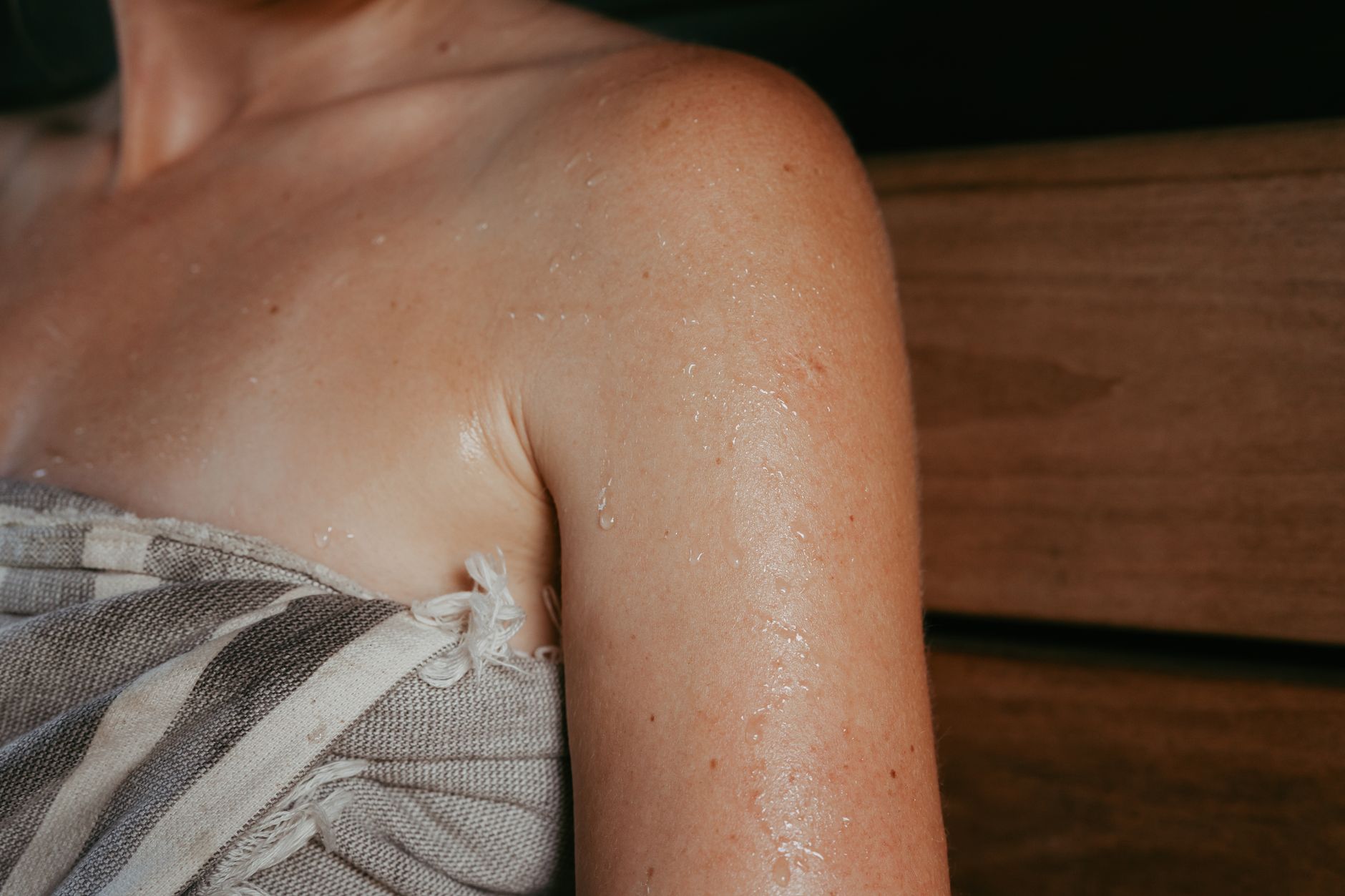
Sweating, also known as perspiration, is a vital bodily function that plays a crucial role in regulating our body temperature. It’s a natural process where our sweat glands release a fluid, primarily composed of water and a small amount of salt and fat, onto the skin. As this fluid evaporates, it cools our body down, preventing us from overheating. While often associated with physical exertion or hot weather, sweating can be influenced by a variety of factors, including emotions, diet, and underlying medical conditions. Understanding the nuances of sweating can help us appreciate its importance and recognize when it might signal a health concern.
The main purpose of sweating is thermoregulation. When our internal body temperature rises, whether due to exercise, a fever, or a warm environment, our brain signals the millions of sweat glands scattered across our skin to activate. These glands, of which there are two main types – eccrine and apocrine – release sweat. Eccrine glands are found all over the body and produce a clear, odorless sweat that helps cool us down efficiently. Apocrine glands, concentrated in areas with hair follicles like the underarms and groin, produce a thicker, milky sweat. This sweat itself is odorless, but when it interacts with bacteria on the skin, it can lead to body odor.
While temperature regulation is the primary driver, several other factors can trigger or increase sweating:
This is the most common trigger. When the ambient temperature rises or our body temperature increases due to physical activity, our body sweats to cool down.
Stress, anxiety, fear, excitement, and nervousness can all stimulate the apocrine sweat glands, leading to a noticeable increase in sweating, often in the palms, soles, and underarms. This is part of the body's 'fight or flight' response.
Certain foods and beverages can temporarily increase sweating. This is known as gustatory sweating and can be triggered by spicy foods, hot beverages, caffeine (found in coffee, tea, and some sodas), and alcohol. These substances can stimulate nerve endings that signal sweat glands to become active.
Fluctuations in hormone levels can significantly impact sweating. For instance, during menopause, women often experience hot flashes and night sweats due to declining estrogen levels. Puberty and pregnancy can also lead to increased sweating.
Several medical conditions can cause excessive sweating (hyperhidrosis) or a lack of sweating (anhidrosis). These include:
Additionally, certain medications, including some antidepressants, pain relievers, and diabetes medications, can have increased sweating as a side effect.
For most people, sweating in response to heat, exercise, or stress is perfectly normal and a sign that the body is functioning correctly. If you find yourself sweating excessively or feeling uncomfortable, here are some practical tips:
While normal sweating is healthy, there are times when it's important to seek medical advice. Consult your doctor if you experience any of the following:
Two primary conditions related to abnormal sweating are:
This is a condition characterized by excessive sweating that is not necessarily related to heat or exercise. It can affect specific areas like the palms, soles, face, or the entire body. Hyperhidrosis can be primary (with no identifiable cause) or secondary (caused by an underlying medical condition or medication). It can significantly impact a person's quality of life, leading to social anxiety and embarrassment.
This is the inability to sweat normally. When the body cannot sweat, it cannot cool itself down effectively, leading to a risk of overheating (heatstroke). Anhidrosis can be caused by dehydration, certain medications, nerve damage, or skin conditions.
Sweating is a fundamental physiological process essential for maintaining a stable body temperature. While it can sometimes be inconvenient or embarrassing, it's a sign of a healthy, functioning body. By understanding the triggers and adopting simple management strategies, most individuals can live comfortably. However, paying attention to unusual patterns or accompanying symptoms is crucial for identifying potential health issues that require professional medical attention. If you have concerns about your sweating, don't hesitate to discuss them with your healthcare provider.
Visit Hospital
Near You
Locate top renal specialists in Khagaria for expert diagnosis and treatment of kidney diseases. Ensure optimal kidney health.
May 19, 2026
Discover how to find the best surgeon in Munger. Learn key factors to consider for safe and effective surgical treatment.
May 18, 2026
Access reliable home doctor visits in Pune. Get expert medical care, diagnosis, and treatment without leaving your home.
April 26, 2026