

Emergency & Help
24/7 Emergency & General Advisory
🚨 24/7 Medical Emergency
Non-Emergency Advisory
10:00 AM – 6:00 PM, Mon–Sat
For appointments & general queries.
24/7 Emergency & General Advisory
🚨 24/7 Medical Emergency
Non-Emergency Advisory
10:00 AM – 6:00 PM, Mon–Sat
For appointments & general queries.
Explore gentle and effective natural exfoliants for face and body. Learn DIY scrub recipes using pantry staples like oats, sugar, honey, and coffee to reveal smoother, brighter skin.
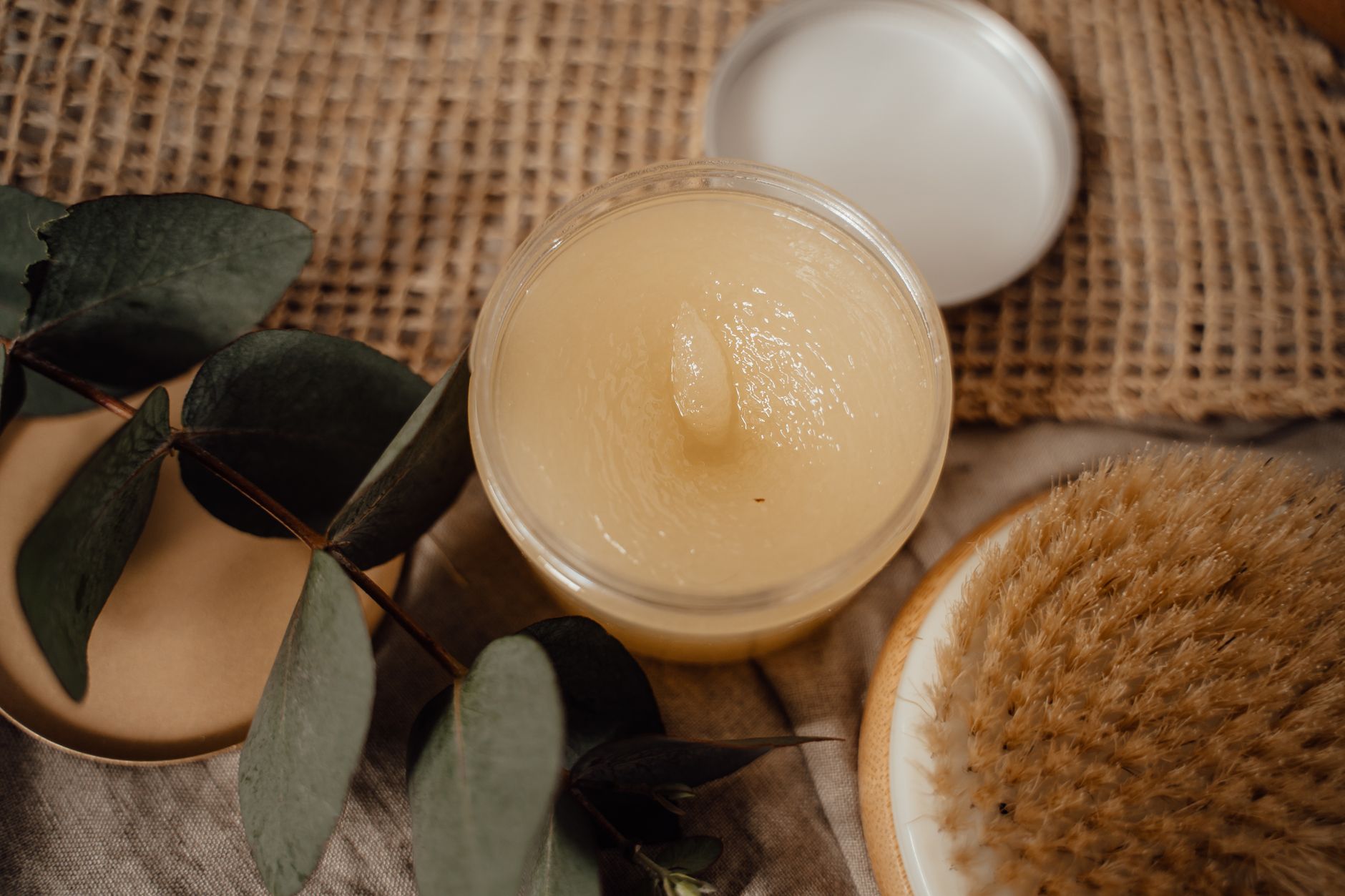
Discover the Power of Nature for Smoother, Brighter Skin Are you looking for ways to achieve that healthy, glowing skin without harsh chemicals? Exfoliation is a key step in any good skincare routine, helping to remove dead skin cells that can make your complexion look dull and tired. But you don't need expensive products to get the job done. Nature offers a wealth of gentle yet effective ingredients that can transform your skin, from your face to your toes. Our skin is constantly renewing itself, shedding old cells to make way for new ones. However, sometimes these dead cells don't slough off completely, leading to uneven texture, clogged pores, and a lacklustre appearance. Exfoliation acts like a gentle sweep, clearing away this buildup and revealing the fresh, vibrant skin beneath. This process not only improves your skin's look but also helps your other skincare products penetrate more effectively. Think of it this way: imagine a beautiful garden. If fallen leaves and debris cover the plants, they can't get the sunlight and nutrients they need to thrive. Your skin is similar. By removing the dead skin cells, you allow your skin to breathe, regenerate, and absorb moisture and beneficial ingredients from your serums and moisturisers. This can lead to a more even skin tone, reduced appearance of fine lines, and a smoother feel. Why Choose Natural Exfoliants? While many commercial exfoliants are available, they often contain synthetic chemicals that can be harsh or irritating for sensitive skin. Natural exfoliants, on the other hand, leverage the inherent properties of ingredients found in your kitchen or garden. These are typically physical exfoliants, meaning they work by physically sloughing off dead skin cells through gentle friction. They are often more affordable, readily accessible, and can be customised to suit your specific skin needs. Furthermore, many natural ingredients come packed with additional benefits. They can be moisturising, anti-inflammatory, or rich in antioxidants, offering a holistic approach to skincare. This means you're not just exfoliating; you're also nourishing your skin. Exfoliating Your Face: Gentle Care for Delicate Skin The skin on your face is more delicate than the skin on the rest of your body. Therefore, it requires a gentler approach. Using coarse exfoliants like large sugar crystals or sea salt on your face can cause micro-tears, irritation, and even breakouts. For facial exfoliation, opt for finely ground ingredients with smooth, small particles. How Often Should You Exfoliate Your Face? Most skin experts recommend exfoliating your face once or twice a week. Over-exfoliation can strip your skin of its natural oils, leading to dryness, increased sensitivity, or even triggering more oil production as your skin tries to compensate. Pay attention to how your skin feels; if it becomes red, tight, or irritated, reduce the frequency. DIY Natural Face Scrubs: Baking Soda and Honey Scrub (Acne-Prone Skin): Baking soda is a fine-grained exfoliant with anti-inflammatory properties, while honey is a natural humectant and antibacterial agent. Oatmeal and Yogurt Scrub (Sensitive Skin): Finely ground oats are incredibly soothing and gentle, and yogurt contains lactic acid, a mild alpha hydroxy acid (AHA) that helps to dissolve dead skin cells. Fine Sugar and Olive Oil Scrub (Normal to Dry Skin): Fine granulated sugar provides gentle physical exfoliation, and olive oil offers hydration. Ensure the sugar is very fine to avoid micro-abrasions. How to Use Face Scrubs Safely: Start with a clean face. Gently wash your face with your usual cleanser and pat it dry. Take a small amount of your chosen scrub and apply it to your face using clean fingertips. Using light, circular motions, massage the scrub onto your skin, avoiding the delicate eye area. Think of this as a gentle facial massage, not aggressive scrubbing. Continue for about 1-2 minutes. Allow the scrub to sit on your skin for an additional 1-2 minutes to let the ingredients work their magic. Rinse your face thoroughly with lukewarm water. Avoid hot water, which can strip the skin. Gently pat your face dry with a soft towel. Follow up immediately with a hydrating serum and your favourite moisturiser to lock in moisture. This step is vital, especially after exfoliation. Scenario: Priya, a 25-year-old software engineer, often struggles with dull skin and occasional breakouts. She tried a harsh store-bought scrub that left her skin red and irritated. After reading about natural alternatives, she decided to try a gentle baking soda and honey scrub twice a week. Within a month, she noticed her skin looked brighter, her pores seemed smaller, and her breakouts were less frequent. She realised that gentle, consistent care made all the difference. Natural Exfoliants for Your Body: Tougher Skin, Bigger Grits The skin on your body is generally thicker and more resilient than facial skin, allowing for the use of slightly coarser exfoliants. This means ingredients like sugar, salt, and coffee grounds can be effective for body exfoliation. These are excellent for smoothing rough patches on elbows, knees, and feet, and for overall skin rejuvenation. DIY Natural Body Scrubs: Oatmeal Body Scrub: Oats are wonderfully soothing and contain beta-glucan, which helps to soften and moisturise the skin. This is perfect for post-shower pampering. Coffee Body Scrub: Coffee grounds can help improve circulation and temporarily reduce the appearance of cellulite due to caffeine. They provide a good grip for exfoliation. Sugar and Oil Scrub: A mix of sugar (brown or white) and a nourishing oil like coconut, olive, or almond oil is a classic for a reason. It effectively buffs away dead skin while moisturising. Sea Salt Scrub: Sea salt is a potent exfoliant that can be great for rough areas. However, never use sea salt on broken or irritated skin , as it will sting. How to Use Body Scrubs Effectively: It's best to exfoliate your body in the shower or bath after your skin has been softened by warm water. Apply the scrub to damp skin using clean hands or a washcloth. Gently massage the scrub over your body in circular motions, focusing on rough areas like elbows, knees, and heels. Rinse off thoroughly with warm water. Pat your skin dry and apply a rich body lotion or oil to moisturise and seal in hydration. Nourishing Your Lips with Natural Exfoliation Don't forget your lips! Dry, flaky lips can be uncomfortable and make lipstick application difficult. A simple natural scrub can restore softness and smoothness. Sugar and Honey Lip Scrub: Combine a teaspoon of fine sugar with a teaspoon of honey. You can add a drop of olive oil for extra moisture. How to Use: Apply the mixture to your lips with a clean finger, gently rubbing in circular motions for about 1 minute. Rinse off with water and follow with a nourishing lip balm. When to Be Cautious with Exfoliation While exfoliation offers many benefits, it's not for everyone or every situation. Avoid exfoliating if you have: Active sunburn Open wounds or cuts Severe acne with inflammation Rosacea flare-ups Skin rashes or infections Always perform a patch test on a small area of skin before applying a new scrub to your entire face or body, especially if you have sensitive skin. If irritation occurs, discontinue use. FAQ: Your Natural Exfoliation Questions Answered Q1: Can I use natural exfoliants every day? For your face, it's generally recommended to exfoliate only 1-2 times per week. For your body, you might be able to exfoliate a bit more often, perhaps 2-3 times a week, depending on your skin's tolerance and the type of scrub used. Listen to your skin! Q2: What's the difference between physical and chemical exfoliants? Physical exfoliants, like the natural scrubs we've discussed, use friction (particles) to remove dead skin cells. Chemical exfoliants use acids (like AHAs and BHAs) or enzymes to dissolve the bonds holding dead skin cells together. Natural ingredients like yogurt (lactic acid) can offer a mild chemical exfoliation. Q3: My skin feels tight after exfoliating. What should I do? This often means you've exfoliated too aggressively or too frequently, stripping your skin of its natural oils. Ensure you're using gentle motions, not overdoing it, and always follow up with a good moisturiser. If the tightness persists, reduce exfoliation frequency. Q4: Can I combine essential oils in my scrubs? Yes, but use them sparingly (1-3 drops per batch) and ensure they are skin-safe and diluted if necessary. Lavender, chamomile, or rose oil can add a lovely scent and therapeutic benefits. However, avoid citrus oils if you'll be exposed to the sun shortly after, as they can increase photosensitivity. Q5: What should I do if my skin gets irritated after using a scrub? Immediately rinse the scrub off with cool water. Avoid further scrubbing or harsh products. Apply a soothing, fragrance-free moisturiser. If irritation is severe or persists, consult a dermatologist. Embrace Your Natural Glow Incorporating natural exfoliants into your routine is a simple, effective, and budget-friendly way to achieve healthier, more radiant skin. By understanding your skin type and choosing the right ingredients, you can unlock a smoother, brighter complexion. Remember to be gentle,
In summary, timely diagnosis, evidence-based treatment, and prevention-focused care improve long-term health outcomes.
Visit Hospital
Near You
Locate top renal specialists in Khagaria for expert diagnosis and treatment of kidney diseases. Ensure optimal kidney health.
May 19, 2026
Discover how to find the best surgeon in Munger. Learn key factors to consider for safe and effective surgical treatment.
May 18, 2026
Access reliable home doctor visits in Pune. Get expert medical care, diagnosis, and treatment without leaving your home.
April 26, 2026