

Emergency & Help
24/7 Emergency & General Advisory
🚨 24/7 Medical Emergency
Non-Emergency Advisory
10:00 AM – 6:00 PM, Mon–Sat
For appointments & general queries.
24/7 Emergency & General Advisory
🚨 24/7 Medical Emergency
Non-Emergency Advisory
10:00 AM – 6:00 PM, Mon–Sat
For appointments & general queries.
Discover the benefits of applying skincare to damp skin for a radiant glow. Learn when and how to do it for maximum hydration and product efficacy.
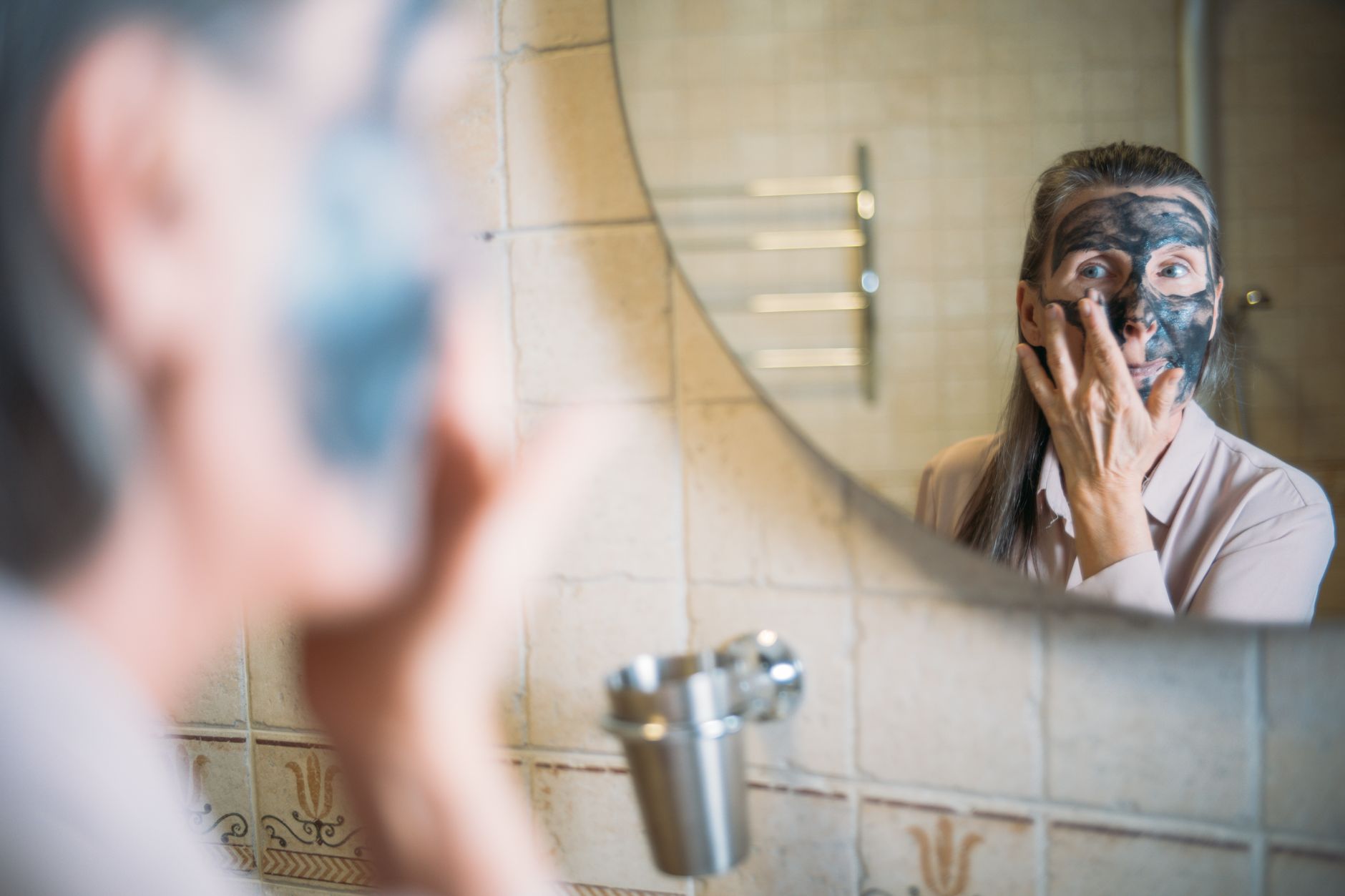
Have you ever wondered about that elusive, radiant glow that seems to come naturally to some people? We all chase that healthy, luminous complexion. You’ve probably seen it plastered across beauty magazines and influencer feeds: the mantra of applying your skincare products to damp skin. But is this just another fleeting trend, or is there real science behind it? Let’s dive in and uncover the secrets to maximizing your skincare routine, especially for us here in India, where our climate can be diverse and our skin needs can vary. We’ll explore why this simple tweak can make a world of difference and which products benefit most from this method.
Imagine your skin as a thirsty sponge. When it’s hydrated, it’s more receptive to absorbing goodness. That’s precisely what happens when you apply skincare to damp skin. Dr. Dina Strachan, a board-certified dermatologist, explains that moisturizers work in a few key ways: by providing hydration, sealing in existing hydration, or doing both. “Some skin care products, such as moisturizers, work better when applied to damp skin as part of their function is to seal moisture in,” she says. “When skin is already damp, it’s hydrated. The moisturizer can then either provide more hydration or just seal it in.” This is particularly true for products containing humectants like hyaluronic acid and glycerin, which draw moisture into your skin. For products that are more occlusive – meaning they create a barrier to prevent moisture loss (think petroleum jelly, beeswax, or rich oils and butters) – applying them to dry skin might actually seal moisture out. Applying them to damp skin ensures they lock in that precious water rather than blocking it.
Think of it as giving your skin a head start. When your skin is damp, it’s already holding onto water. Your moisturizer then acts as a diligent guard, ensuring that water stays put, preventing your skin from feeling tight, dry, and flaky. This simple step can significantly boost the effectiveness of your entire skincare regimen, from basic moisturizers to more complex serums.
If you’re into K-beauty or follow skincare trends, you might have heard of the “three-second rule.” This isn't about dropped food! It refers to applying your skincare product within a minute (or roughly three to five seconds if you’re counting) of washing or wetting your skin. The goal is to get that product on before your skin has a chance to dry out completely. Why the rush? Because as your skin dries, it loses the moisture it just absorbed. Applying your product quickly seals in that dampness. So, don’t stand around admiring your clean face for too long! Grab your serum or moisturizer and get to it.
Making this a habit is easier than you think. Whether you have a minimalist routine or a multi-step K-beauty-inspired regimen, this principle applies. Here’s a straightforward guide:
What if life gets in the way and your skin dries out before you can apply your product? No problem! You can re-dampen your skin. A quick spritz from a facial mist or a light splash of water from your hands can do the trick. For those with dry skin, or if you feel your skin drying out during the day, a hydrating mist is your best friend. It’s especially effective if you’re not wearing heavy makeup or foundation.
Not all skincare products are created equal, and some will show more dramatic results when applied to damp skin. Here’s a breakdown:
This is the star player. As we’ve discussed, moisturizers, especially those with humectants like hyaluronic acid, glycerin, and ceramides, work wonders when applied to damp skin. They lock in hydration, plump up the skin, and prevent that parched feeling. This is your go-to for combating dryness, especially in drier climates or after cleansing.
Hydrating serums, particularly those containing hyaluronic acid, peptides, or glycerin, are excellent candidates. They are designed to penetrate the skin and deliver potent ingredients. Applying them to damp skin helps them absorb more effectively, delivering maximum hydration and benefits.
Many Asian beauty routines emphasize the use of essences and hydrating toners. These are typically applied after cleansing. Applying them to damp skin can enhance their hydrating and prepping properties, making your skin more receptive to subsequent products.
While applying most products to damp skin is beneficial, there are a few exceptions and considerations:
Products containing active ingredients like AHAs (glycolic acid, lactic acid) or BHAs (salicylic acid) often work best when applied to clean, dry skin. Applying them to wet skin can dilute their potency and potentially increase the risk of irritation. Always follow the specific instructions for your exfoliant.
Some targeted acne treatments, especially those with potent active ingredients, might be formulated for maximum efficacy on dry skin to prevent over-sensitization. Check the product label. If you’re unsure, applying to dry skin is generally the safer bet for acne treatments.
Retinoids, including retinol and prescription tretinoin, are powerful ingredients. While some dermatologists suggest waiting a few minutes after cleansing before applying retinoids to dry skin to minimize irritation (the
Overall, early action and medically verified advice remain the safest approach.
Visit Hospital
Near You
Locate top renal specialists in Khagaria for expert diagnosis and treatment of kidney diseases. Ensure optimal kidney health.
May 19, 2026
Discover how to find the best surgeon in Munger. Learn key factors to consider for safe and effective surgical treatment.
May 18, 2026
Access reliable home doctor visits in Pune. Get expert medical care, diagnosis, and treatment without leaving your home.
April 26, 2026