

Emergency & Help
24/7 Emergency & General Advisory
🚨 24/7 Medical Emergency
Non-Emergency Advisory
10:00 AM – 6:00 PM, Mon–Sat
For appointments & general queries.
24/7 Emergency & General Advisory
🚨 24/7 Medical Emergency
Non-Emergency Advisory
10:00 AM – 6:00 PM, Mon–Sat
For appointments & general queries.
Explore Velaterapia, the controversial hair treatment involving burning split ends. Learn about its risks, effectiveness, and safer, proven alternatives for healthy hair.
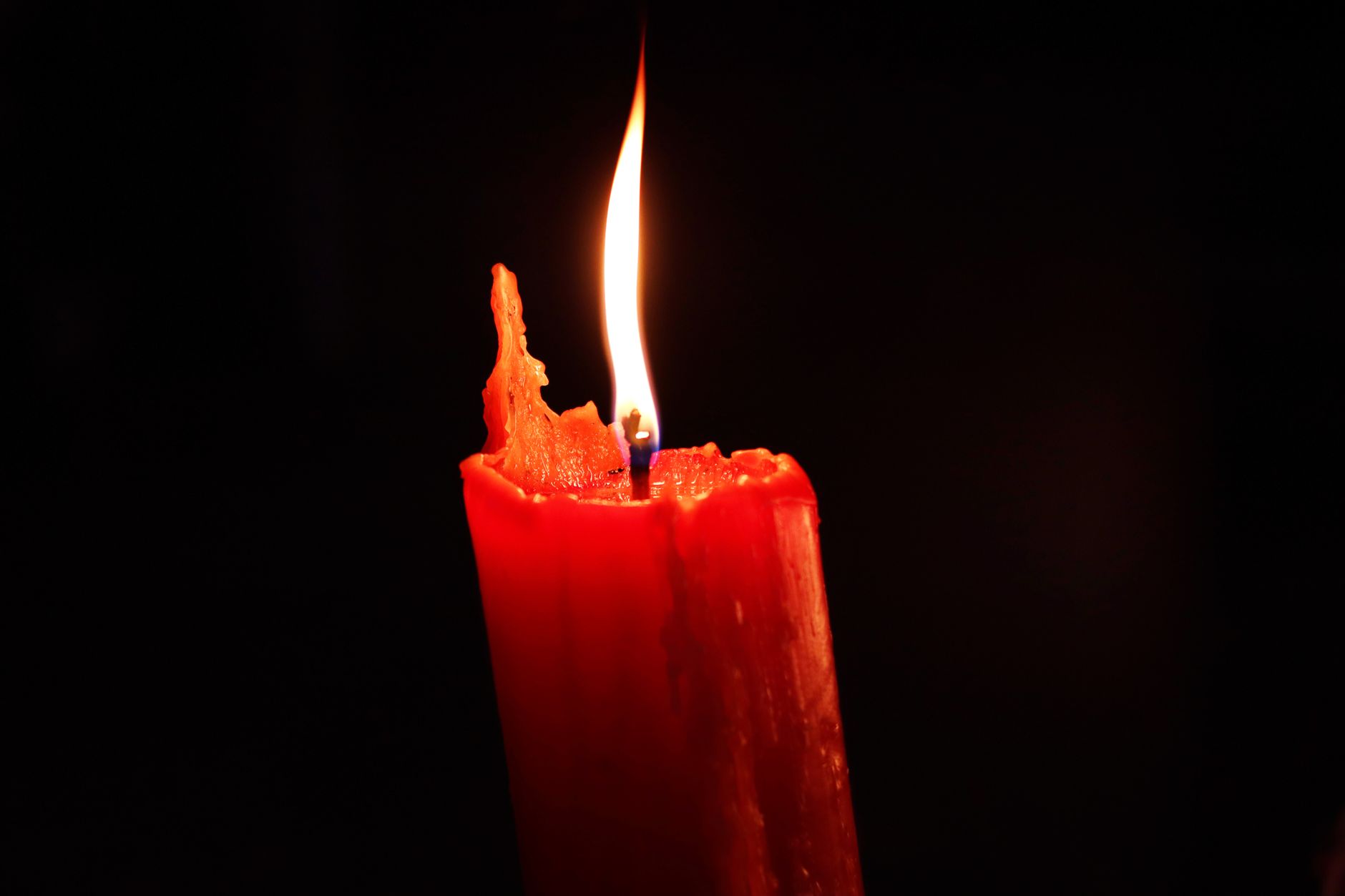
In the quest for luscious, healthy hair, we often explore various methods to combat common nuisances like split ends. One such technique that has gained traction is Velaterapia, also known as candle cutting, Brazilian hair burning, or fire hair. This method involves using an open flame from a candle to singe off the frayed ends of your hair. The idea is to expose the damaged strands by twisting sections of hair and carefully passing a candle flame over them, theoretically allowing for the removal of only the split ends without sacrificing hair length. Proponents suggest that this process also helps hair follicles better absorb conditioning treatments applied afterward.
While the concept might sound intriguing, especially for those hesitant to cut their hair, it's essential to understand that Velaterapia is a professional treatment. It's designed to be performed by experienced stylists who can manage the risks involved. The allure of preserving hair length while eliminating split ends is strong, but the safety and effectiveness of this method warrant a closer look.
Despite its trendy status, Velaterapia is not without significant risks. The primary concern is the potential for accidental burns. This can range from searing off more hair than intended to causing actual burns on the skin around your neck, ears, and shoulders. Imagine sitting in the salon chair, feeling the heat of the flame, and suddenly a stray flicker causes a burn on your ear – it's a very real possibility, even with a professional.
Furthermore, the heat from the candle can inadvertently create more split ends. Instead of solving the problem, the process might exacerbate it, leaving your hair even more damaged, dry, and brittle. The heat can also harm the hair follicles, compromising the overall health of your hair. There's a lack of robust clinical evidence to definitively prove that burning split ends is more effective than traditional cutting. Given these potential dangers, it's crucial to weigh the supposed benefits against the very real risks.
If, by chance, you experience a skin burn during a hair treatment, it's vital to act quickly. Immediately stop the treatment. Apply cool compresses to the affected area to reduce swelling and pain. Once cooled, apply a thin layer of petroleum jelly and cover the burn with a clean bandage. Monitor the burn closely. If you notice significant blistering, redness, or signs of infection, seek medical attention from a doctor promptly.
The unfortunate truth is that once a hair strand splits, the damage is permanent. The only effective way to completely get rid of split ends is to cut them off. While the idea of not losing length is appealing, a professional haircut every 6 to 8 weeks is the most reliable method to maintain hair health and prevent split ends from worsening.
Think about it: you've been carefully growing your hair out, and the thought of losing even an inch is daunting. However, letting split ends persist means they can travel further up the hair shaft, causing more damage and ultimately requiring a more significant cut later on. Regular trims are a small price to pay for healthy, manageable hair.
Since cutting is the only cure, prevention becomes your best strategy. Fortunately, there are many tried-and-true methods to keep split ends at bay without resorting to risky techniques:
While home care is essential, some hair concerns require professional attention. If you're struggling with persistent split ends despite following preventive measures, or if you're curious about advanced hair treatments, consult a professional hairstylist. They can assess your hair's condition, recommend suitable products, and perform treatments like deep conditioning or keratin treatments that can improve hair health and reduce breakage.
Scenario: Meena noticed her hair felt rough and looked duller than usual. She saw a friend's post about Velaterapia and was tempted to try it, hoping to get rid of the annoying little frayed ends without a haircut. However, after reading about the risks, she decided against it and booked a regular trim instead. Her stylist also recommended a good leave-in conditioner for her dry ends.
Velaterapia is generally not recommended for any hair type due to the inherent risks associated with using an open flame. Even if performed by a professional, the potential for damage and burns is significant.
Absolutely not. Attempting Velaterapia at home is extremely dangerous and strongly discouraged. The risk of severe burns to yourself, your skin, and your hair is very high.
Most people benefit from a trim every 6 to 8 weeks. However, if your hair grows very fast or you are prone to split ends, you might need more frequent trims.
The best alternatives are regular haircuts, using moisturizing hair products like conditioners and oils, heat protectants, and gentle hair handling practices.
Visit Hospital
Near You
Locate top renal specialists in Khagaria for expert diagnosis and treatment of kidney diseases. Ensure optimal kidney health.
May 19, 2026
Discover how to find the best surgeon in Munger. Learn key factors to consider for safe and effective surgical treatment.
May 18, 2026
Access reliable home doctor visits in Pune. Get expert medical care, diagnosis, and treatment without leaving your home.
April 26, 2026