

Emergency & Help
24/7 Emergency & General Advisory
🚨 24/7 Medical Emergency
Non-Emergency Advisory
10:00 AM – 6:00 PM, Mon–Sat
For appointments & general queries.
24/7 Emergency & General Advisory
🚨 24/7 Medical Emergency
Non-Emergency Advisory
10:00 AM – 6:00 PM, Mon–Sat
For appointments & general queries.
Discover why hangovers seem to get worse as you age, exploring the physiological changes in your body that contribute to more severe after-effects of alcohol consumption.
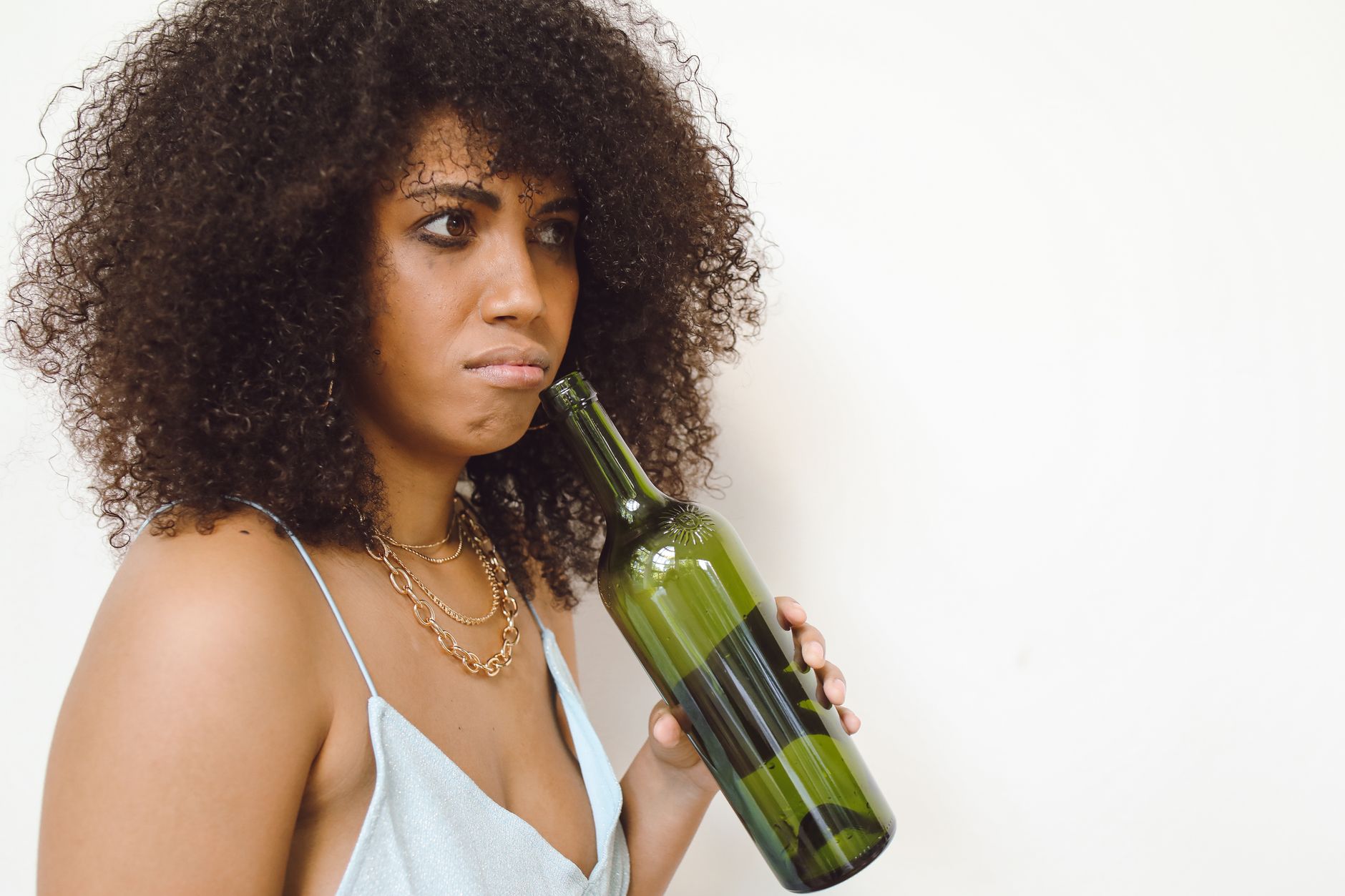
Many of us have heard the saying, "What happens in your twenties stays in your twenties." While this might be true for some things, it often doesn't apply to hangovers. It's a common observation that as we get older, the morning after a night of drinking can feel significantly more punishing. That feeling of dread on a Sunday morning, the pounding headache, the nausea, and the overwhelming fatigue – it all seems to intensify with each passing year. But is this just a psychological trick of ageing, or is there a biological reason behind this increased misery?
While research specifically on the link between ageing and hangover severity is somewhat limited, several physiological changes that occur as we age can contribute to a more intense hangover experience. Let's delve into the science behind why your body might be protesting more strongly after a few drinks as you get older.
Before we explore how ageing affects hangovers, it's crucial to understand the basic mechanism of how your body deals with alcohol. When you consume alcohol, your liver plays the primary role in breaking it down. This process involves a couple of key enzymes:
Acetate is eventually broken down by your body into carbon dioxide and water, which are then eliminated. The problem arises when this process is inefficient. If ALDH isn't working optimally, acetaldehyde can build up in your system. This toxic compound is largely responsible for many of the unpleasant symptoms we associate with a hangover, including nausea, vomiting, headache, and fatigue.
As we age, our bodies undergo various changes that can impact how we process alcohol and, consequently, how severe our hangovers become. Here are some key factors:
The liver is our primary detoxification organ, and its efficiency can change over time. As you get older, your liver might produce less of the ALDH enzyme. This reduction means that the toxic acetaldehyde stays in your system for longer and in higher concentrations, leading to a more pronounced hangover. Think of it as your liver's 'detox squad' becoming less numerous or less efficient.
Older adults tend to have a lower percentage of water in their bodies compared to younger individuals. When you drink alcohol, it gets diluted in your body's water content. If there's less water available, the alcohol becomes more concentrated in your bloodstream. This higher concentration means the alcohol and its toxic byproducts have a more potent effect on your body, amplifying hangover symptoms.
Metabolism refers to the rate at which your body converts food and drink into energy. As we age, our metabolism generally slows down. This includes the metabolism of alcohol. A slower metabolic rate means it takes longer for your body to break down and eliminate alcohol and acetaldehyde. The longer these substances linger, the more time they have to cause damage and trigger hangover symptoms.
Many people experience a shift in body composition as they age, often losing muscle mass and gaining fat. Muscle tissue contains more water than fat tissue. Therefore, a decrease in muscle mass and an increase in fat can lead to a lower overall body water percentage, contributing to higher blood alcohol concentrations and, subsequently, worse hangovers.
Older adults are also more prone to dehydration. Alcohol itself is a diuretic, meaning it causes your body to lose more fluid. When you combine the natural tendency towards dehydration with the diuretic effect of alcohol, you can become significantly dehydrated. Dehydration is a major contributor to hangover symptoms like headaches, dizziness, fatigue, and dry mouth.
As we age, it's more common to develop chronic health conditions and to start taking medications. Some medications can interact with alcohol, making you more sensitive to its effects or exacerbating hangover symptoms. Furthermore, existing health conditions can be compounded by the stress that alcohol and a hangover place on your body.
Sometimes, the perceived worsening of hangovers might be due to drinking less frequently. If you're not a regular drinker, your body may be less accustomed to processing alcohol, leading to a more noticeable and unpleasant reaction when you do indulge.
It's important to remember that age isn't the only factor determining hangover severity. Many other elements play a role:
While the only foolproof way to avoid a hangover is to abstain from alcohol, there are strategies you can employ to minimize its severity, especially as you age:
This is the most effective strategy. Stick to recommended guidelines – generally no more than one or two standard drinks per day for women and men, respectively. Be mindful of your body's signals and know your limits.
Drink plenty of water before, during, and after consuming alcohol. Alternate alcoholic drinks with glasses of water. This helps combat dehydration, a major hangover culprit.
Having food in your stomach slows down the absorption of alcohol. Opt for meals that include healthy fats and proteins.
Clear liquors (like vodka or gin) generally have fewer congeners than darker ones (like whiskey or red wine), potentially leading to less severe hangovers.
While alcohol can disrupt sleep, try to get adequate rest after drinking. This can help your body recover more effectively.
Drink slowly and avoid chugging. Giving your body time to process the alcohol can make a significant difference.
While hangovers are typically temporary and resolve on their own, there are instances when you should seek medical advice:
In conclusion, the feeling that hangovers worsen with age is likely rooted in genuine physiological changes. As our bodies age, their ability to efficiently process alcohol diminishes, making us more susceptible to the unpleasant effects of a hangover. By understanding these changes and adopting responsible drinking habits, you can mitigate the severity of those dreaded mornings after and continue to enjoy social occasions with greater comfort.
Visit Hospital
Near You
Locate top renal specialists in Khagaria for expert diagnosis and treatment of kidney diseases. Ensure optimal kidney health.
May 19, 2026
Discover how to find the best surgeon in Munger. Learn key factors to consider for safe and effective surgical treatment.
May 18, 2026
Access reliable home doctor visits in Pune. Get expert medical care, diagnosis, and treatment without leaving your home.
April 26, 2026