Ask five different people how long their dengue lasted and you'll probably get five different answers. That's not because anyone's wrong. Dengue's timeline genuinely varies, and the honest answer is: most people are unwell for about a week to ten days, though the full arc from infection to feeling normal again can stretch closer to a month for some.
There isn't a single countdown clock here. There are phases, and each one behaves a little differently.
The Incubation Period: Before Symptoms Even Start
Dengue doesn't announce itself the moment a mosquito bites. Symptoms typically show up four to ten days after infection, according to the World Health Organization. During that gap, the person feels completely fine. No fever, no warning.
This is part of why dengue causes and how the virus actually spreads trips people up when they try to trace where they picked it up. A bite from a week ago is easy to forget by the time symptoms hit.
The Febrile Phase: Days One Through Five or So
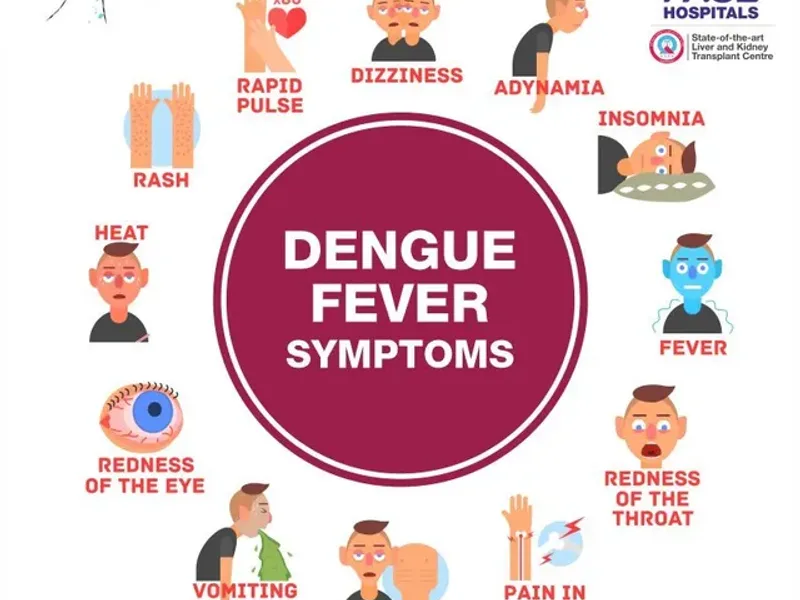
Once symptoms start, the first stretch is usually the roughest. High fever, often sudden, joint and muscle pain severe enough that dengue earned the nickname "breakbone fever," headache, pain behind the eyes, and sometimes a rash.
This phase generally runs three to seven days. In clinical practice, this is often the point where people assume the worst has passed once the fever finally breaks — and that assumption is exactly what makes the next stage risky.
Fever control during this window matters, and not every over-the-counter option is safe to use. There's a breakdown of medication for dengue and what actually helps worth reading before reaching for anything in the cabinet. Diet also plays a bigger role than people expect during these first few days — see what to eat during dengue recovery for practical, non-restrictive guidance.
The Critical Phase: The 24 to 48 Hours That Matter Most
Here's the part that surprises people. Right as the fever drops, usually around day three to seven, a short window opens where a small number of patients can develop complications. It's called the critical phase, and it typically lasts only a day or two.
Most people sail through it without incident. But this is the window where warning signs like persistent vomiting, severe abdominal pain, bleeding gums, or unusual lethargy need to be taken seriously rather than dismissed as "just recovering." For a fuller list of what to watch for, this guide on dengue symptoms and when to get help lays it out clearly.
Children and pregnant women tend to need closer attention during this stretch. There's dedicated guidance on dengue in children and dengue during pregnancy if either applies to your household.
The Recovery Phase: Where the Timeline Gets Fuzzy
Once the critical window passes without complications, most people move into recovery over the following week. Fatigue, low appetite, and a lingering "not quite myself" feeling are common, and honestly this is the part nobody warns you about clearly enough. The acute illness might be over in a week, but full energy can take another one to two weeks to return.
This is a fair question to ask, and there isn't an exaggerated answer to give: some people bounce back within a week of the fever ending, others feel tired and foggy for close to a month. Age, overall health, and how severe the initial illness was all play into where someone lands on that range.
Home care during this stretch still matters. Rest, hydration, and knowing what to avoid — covered in this home remedies for dengue guide — genuinely shortens how rough the recovery feels, even if it doesn't change the underlying timeline much.
When the Timeline Resets: Severe Dengue
If complications do show up during the critical phase, the clock effectively resets. Severe dengue requires hospital-based monitoring and can extend recovery well beyond the typical one-to-two-week window. This isn't meant to alarm anyone reading this while managing a mild case at home — severe dengue is genuinely uncommon. But it's worth knowing that "how long does dengue last" has a very different answer if this stage is reached.
If you're unsure whether symptoms have crossed into that territory, it's worth checking against a general physician or heading to emergency care rather than waiting it out. A same-day check is a small inconvenience compared to the alternative.
Related Reading on DOCTAR
Useful DOCTAR Tools