

Emergency & Help
24/7 Emergency & General Advisory
🚨 24/7 Medical Emergency
Non-Emergency Advisory
10:00 AM – 6:00 PM, Mon–Sat
For appointments & general queries.
24/7 Emergency & General Advisory
🚨 24/7 Medical Emergency
Non-Emergency Advisory
10:00 AM – 6:00 PM, Mon–Sat
For appointments & general queries.
Stay updated with our latest healthcare news and your appointments.
Experiencing anxiety after drinking? You might have 'hangxiety.' Learn about its causes, symptoms, and practical ways to manage and prevent it.
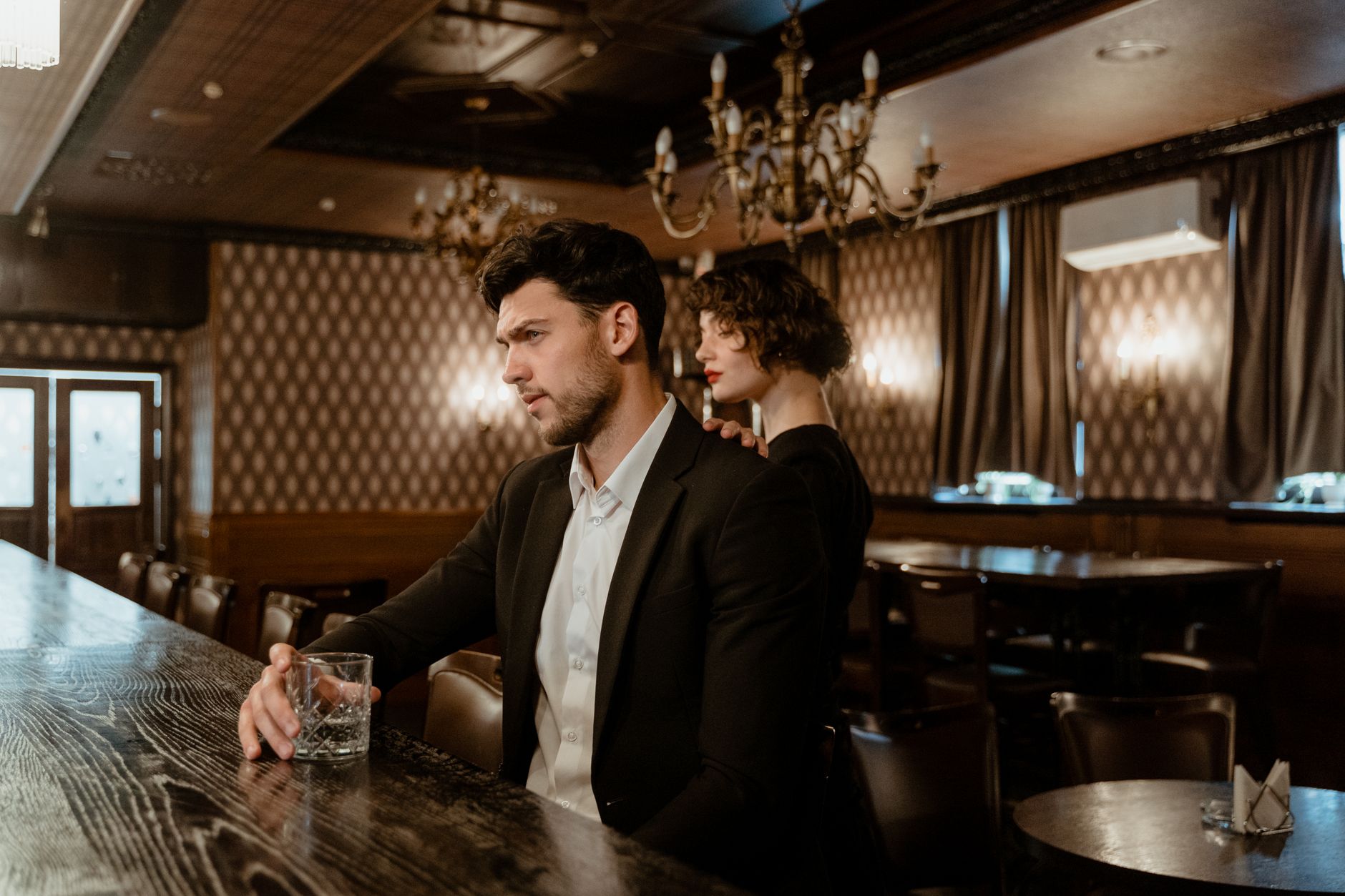
Enjoying a few drinks with friends during a night out or at a party can make for a fun evening. But the hangover you get the next day? That’s a lot less fun. You’re probably familiar with the usual physical symptoms of a hangover — the pounding headache, the nausea, the need to wear sunglasses at the first hint of daylight. But hangovers can have psychological symptoms too, especially feelings of anxiety. This phenomenon has been so widely reported that it even has its own name: hangxiety.
The whole concept of hangover-related anxiety is fairly new, and experts haven’t identified a single cause. But they have a few theories. Many people use alcohol as a social lubricant. If you live with anxiety, particularly social anxiety, you may find that a drink or two helps you relax and cope with nervous or anxious feelings before (or during) a social event. But as the effects of alcohol begin to wear off, anxiety tends to return. Physical hangover symptoms can add to anxiety and make you feel even worse.
Experts theorize that hangxiety is related to using alcohol to overcome social anxiety. While alcohol can help make you feel more relaxed, it can also have less-than-positive effects on your mental and physical health. Let's explore some of the leading theories:
When you drink alcohol, your brain releases endorphins, which are your body’s natural painkillers and feel-good hormones. This can initially make you feel relaxed and happy. However, as the alcohol wears off and your body begins to process it, these endorphin levels drop. This sudden decrease can lead to a feeling of withdrawal, making you feel restless, anxious, nervous, or jittery. It’s a bit like an emotional rollercoaster – you go up with the alcohol, but you come crashing down afterward.
Drinking alcohol tends to make you urinate more than usual. Coupled with not drinking enough water, this can lead to dehydration. Dehydration can significantly impact your mood and contribute to anxiety symptoms. Furthermore, alcohol can affect the levels of essential nutrients in your body, such as folic acid. Low levels of folic acid have been linked to increased feelings of anxiety and depression in some studies.
While alcohol might make you fall asleep faster, it disrupts the quality of your sleep. You’re less likely to enter the deeper, more restorative stages of sleep. Poor sleep quality can exacerbate feelings of anxiety, irritability, and general unwellness the next day.
For individuals who experience social anxiety, alcohol can initially seem like a helpful tool to navigate social situations. It can lower inhibitions and reduce self-consciousness. However, this is a temporary fix. As the alcohol metabolizes, the underlying anxiety can resurface, often feeling more intense due to the lingering physical effects of the alcohol. This can create a cycle where one relies on alcohol to cope with social anxiety, only to experience worsened anxiety afterward.
Ria loved going out with her friends, but the thought of meeting new people always made her palms sweat. Last Saturday, she had a couple of glasses of wine at a party, which helped her loosen up and chat easily with everyone. By Sunday morning, however, she woke up with a racing heart, a knot in her stomach, and a persistent feeling that she’d said or done something embarrassing. She spent the entire day replaying conversations and feeling mortified, even though her friends assured her she was fine.
Hangxiety can manifest in various ways, often overlapping with typical hangover symptoms but with a distinct psychological component. Pay attention if you experience:
The good news is that you can take steps to manage and prevent hangxiety. It involves a combination of mindful drinking habits and self-care strategies.
If you do experience hangxiety, here are some ways to cope:
While hangxiety is often a temporary condition, it's important to recognize when you might need more support. If you find yourself:
It may be time to seek professional help. Talking to a doctor or a mental health professional can provide you with strategies and support to manage anxiety and alcohol use. You can also reach out to confidential hotlines for immediate support:
While there's no instant cure, staying hydrated, practicing deep breathing exercises, and engaging in light physical activity can help alleviate symptoms relatively quickly. Eating a balanced meal and getting some rest are also important.
It's less common but possible, especially if you are particularly sensitive to alcohol's effects or have underlying anxiety. For some, even a small amount of alcohol can trigger these feelings as it starts to leave the system.
Not necessarily. Hangxiety can affect anyone who drinks alcohol, particularly in social situations. However, if you find yourself frequently experiencing severe hangxiety, relying on alcohol to cope, or struggling to control your drinking, it could be a sign of a larger issue with alcohol dependence, and seeking professional advice is recommended.
Visit Hospital
Near You
Discover effective stroke rehabilitation in Alipurduar. Learn about therapies, recovery strategies, and finding the right care for regaining independence.
May 20, 2026
Discover how to find a top obstetrician in Madhyamgram. Learn key factors and what to look for in maternal care.
May 20, 2026
Find top diabetes clinics in Purba Medinipur. Get expert endocrinologists, advanced treatments, and comprehensive diabetes management.
May 20, 2026