

Emergency & Help
24/7 Emergency & General Advisory
🚨 24/7 Medical Emergency
Non-Emergency Advisory
10:00 AM – 6:00 PM, Mon–Sat
For appointments & general queries.
24/7 Emergency & General Advisory
🚨 24/7 Medical Emergency
Non-Emergency Advisory
10:00 AM – 6:00 PM, Mon–Sat
For appointments & general queries.
Stay updated with our latest healthcare news and your appointments.
Learn about nephophobia, the fear of clouds. Discover its symptoms, causes, diagnosis, and effective treatment options like exposure therapy and CBT. Find out when to seek help.
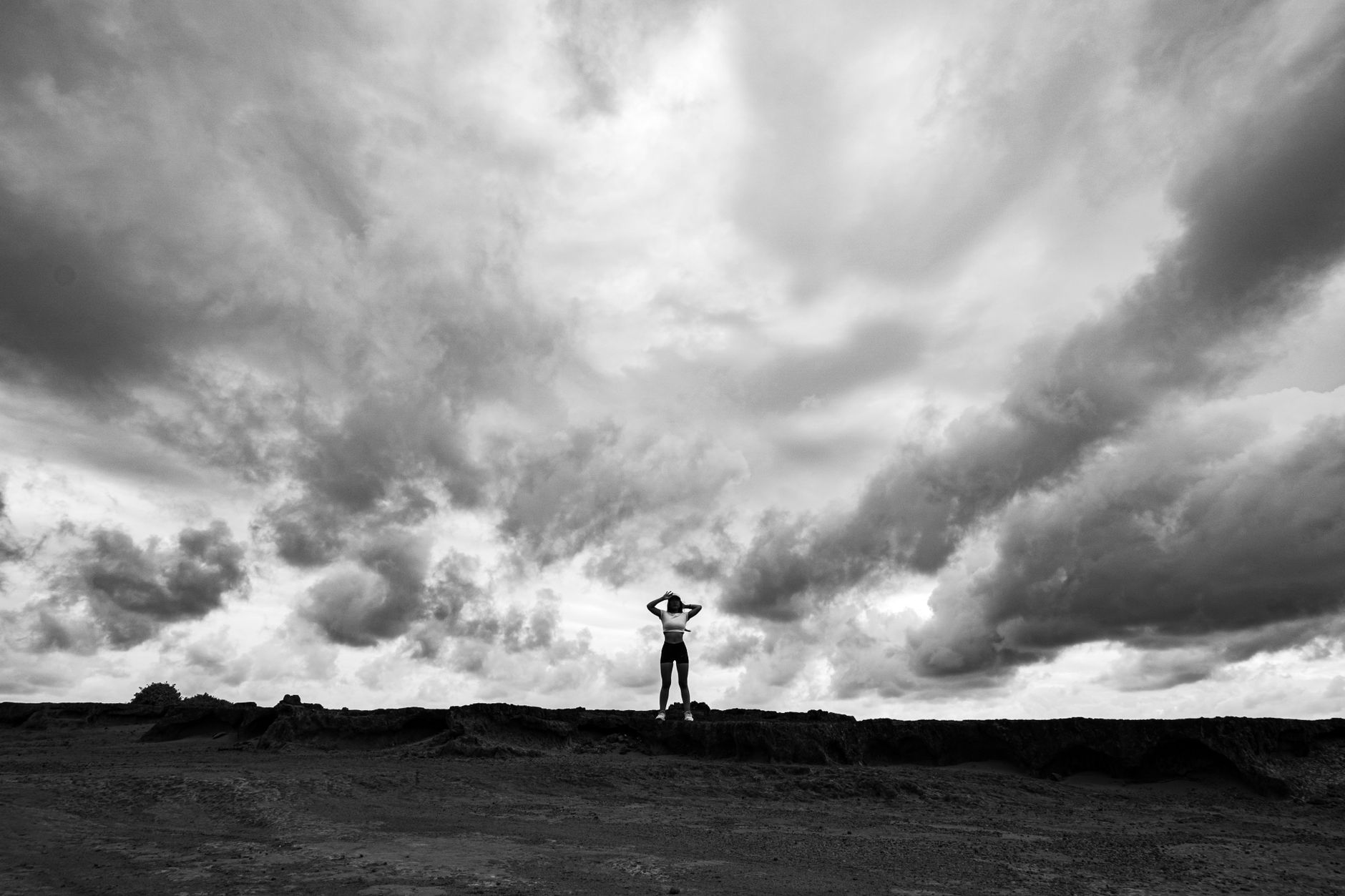
The sky, often seen as a canvas of ever-changing beauty, can also be a source of intense fear for some individuals. While most people find comfort in the sight of fluffy white clouds or appreciate the dramatic spectacle of a storm, a small segment of the population experiences profound anxiety and dread at the mere sight or thought of clouds. This specific fear is known as Nephophobia, derived from the Greek words 'nepho' (cloud) and 'phobia' (fear). It’s a recognized anxiety disorder that, while uncommon, can significantly impact a person's quality of life.
Weather-related phobias, in general, affect more people than one might assume. A small survey indicated that nearly 5 percent of participants reported having some form of weather-related phobia, and over 11 percent knew someone experiencing severe weather phobias. Nephophobia falls under this umbrella, presenting a unique challenge for those affected.
Nephophobia is an intense, irrational fear of clouds. It's classified as a 'simple phobia' because the trigger is specific and identifiable – clouds. For someone with nephophobia, clouds aren't just atmospheric phenomena; they are potent symbols of danger, the unknown, or past trauma. This fear can manifest in various ways, from a mild unease to debilitating panic attacks.
The symptoms of nephophobia can differ from person to person, but they generally involve a significant emotional and physical response when encountering or thinking about clouds. Common signs include:
Consider Mrs. Sharma, a homemaker from Delhi, who recently cancelled her family's planned trip to Shimla because dark clouds had started to gather. She felt a rising panic, her heart pounding, and insisted they stay home, much to her children's disappointment. Her fear of being trapped outdoors under ominous-looking clouds was so intense that it dictated her family's plans.
The exact causes of nephophobia, like many phobias, are not always clear-cut but often stem from a combination of factors:
A primary cause, particularly for weather-related phobias, is a past traumatic experience involving severe weather associated with clouds. This could include being caught in a severe thunderstorm, hurricane, tornado, or experiencing significant damage or loss due to such events. The cloud becomes a conditioned trigger for the fear experienced during that event.
Phobias can sometimes be learned. If a child witnesses a parent or significant caregiver exhibiting an extreme fear of clouds, they may internalize this fear. Additionally, negative information or stories about dangerous weather associated with clouds can contribute to the development of the phobia.
In some cases, the fear of clouds might be linked to other phobias. For instance, the appearance of clouds at night, particularly when they obscure the stars or moon, can sometimes be mistaken for unidentified flying objects (UFOs). This can trigger fears related to outer space (astrophobia), alien beings, or the general fear of the unknown or darkness (nyctophobia).
There might be a genetic component to developing phobias. If anxiety disorders or phobias run in your family, you might be more predisposed to developing one yourself, including nephophobia.
There isn't a specific lab test to diagnose nephophobia. Diagnosis relies on a thorough assessment by a mental health professional, such as a psychiatrist, psychologist, or counselor. The process typically involves:
The mental health specialist will conduct a detailed interview, asking about your symptoms, their duration, intensity, and how they affect your daily life. They will inquire about any past traumatic experiences, family history of mental health conditions, and other fears you might have.
The professional will assess your symptoms against the diagnostic criteria outlined in the Diagnostic and Statistical Manual of Mental Disorders (DSM-5). For a diagnosis of a specific phobia, the fear must be persistent, excessive, and unreasonable, leading to significant distress or impairment in functioning.
If you suspect you have nephophobia, the first step is often to consult your general practitioner. They can perform an initial assessment and refer you to a mental health specialist for a comprehensive evaluation and diagnosis.
Fortunately, nephophobia is treatable. The goal of treatment is not necessarily to eliminate clouds but to manage the fear and anxiety they trigger, allowing you to live a more fulfilling life. Common and effective treatment approaches include:
Considered one of the most effective treatments for simple phobias, exposure therapy involves gradually and safely exposing you to the feared object or situation – in this case, clouds. The process is carefully controlled and starts with less intimidating forms of exposure:
The aim is to desensitize you to the trigger, helping your brain learn that clouds are not inherently dangerous. Your therapist will guide you through each step, ensuring you feel in control and supported.
CBT is highly effective in addressing phobias. It helps you identify and challenge the negative thought patterns and beliefs associated with clouds. By understanding how your thoughts influence your feelings and behaviors, you can develop more rational and adaptive responses.
If nephophobia is linked to a specific traumatic event, EMDR therapy can be beneficial. This therapy helps process traumatic memories, reducing their emotional impact and associated distress.
While therapy is the primary treatment, medication might be prescribed in some cases to manage severe anxiety or panic symptoms. Anti-anxiety medications or antidepressants may be used short-term to help you engage more effectively in therapy, but they do not cure the phobia itself.
Preventing nephophobia often involves early intervention and fostering a healthy relationship with weather phenomena:
It's time to consult a healthcare professional if your fear of clouds:
Remember, you don't have to live with this fear. Help is available, and with the right support, you can learn to manage your anxiety and enjoy the world around you, clouds and all.
If you are experiencing thoughts of self-harm or suicide, please reach out for immediate help. You can call the National Suicide Prevention Lifeline at 800-273-TALK (8255) at any time, day or night. Trained professionals are available to listen and provide support.
Visit Hospital
Near You
Discover effective stroke rehabilitation in Alipurduar. Learn about therapies, recovery strategies, and finding the right care for regaining independence.
May 20, 2026
Discover how to find a top obstetrician in Madhyamgram. Learn key factors and what to look for in maternal care.
May 20, 2026
Find top diabetes clinics in Purba Medinipur. Get expert endocrinologists, advanced treatments, and comprehensive diabetes management.
May 20, 2026