

Emergency & Help
24/7 Emergency & General Advisory
🚨 24/7 Medical Emergency
Non-Emergency Advisory
10:00 AM – 6:00 PM, Mon–Sat
For appointments & general queries.
24/7 Emergency & General Advisory
🚨 24/7 Medical Emergency
Non-Emergency Advisory
10:00 AM – 6:00 PM, Mon–Sat
For appointments & general queries.
Stay updated with our latest healthcare news and your appointments.
Explore the signs, causes, and effective strategies for managing relationship anxiety to foster healthier, more secure connections. Learn to overcome doubt and insecurity in your partnerships.
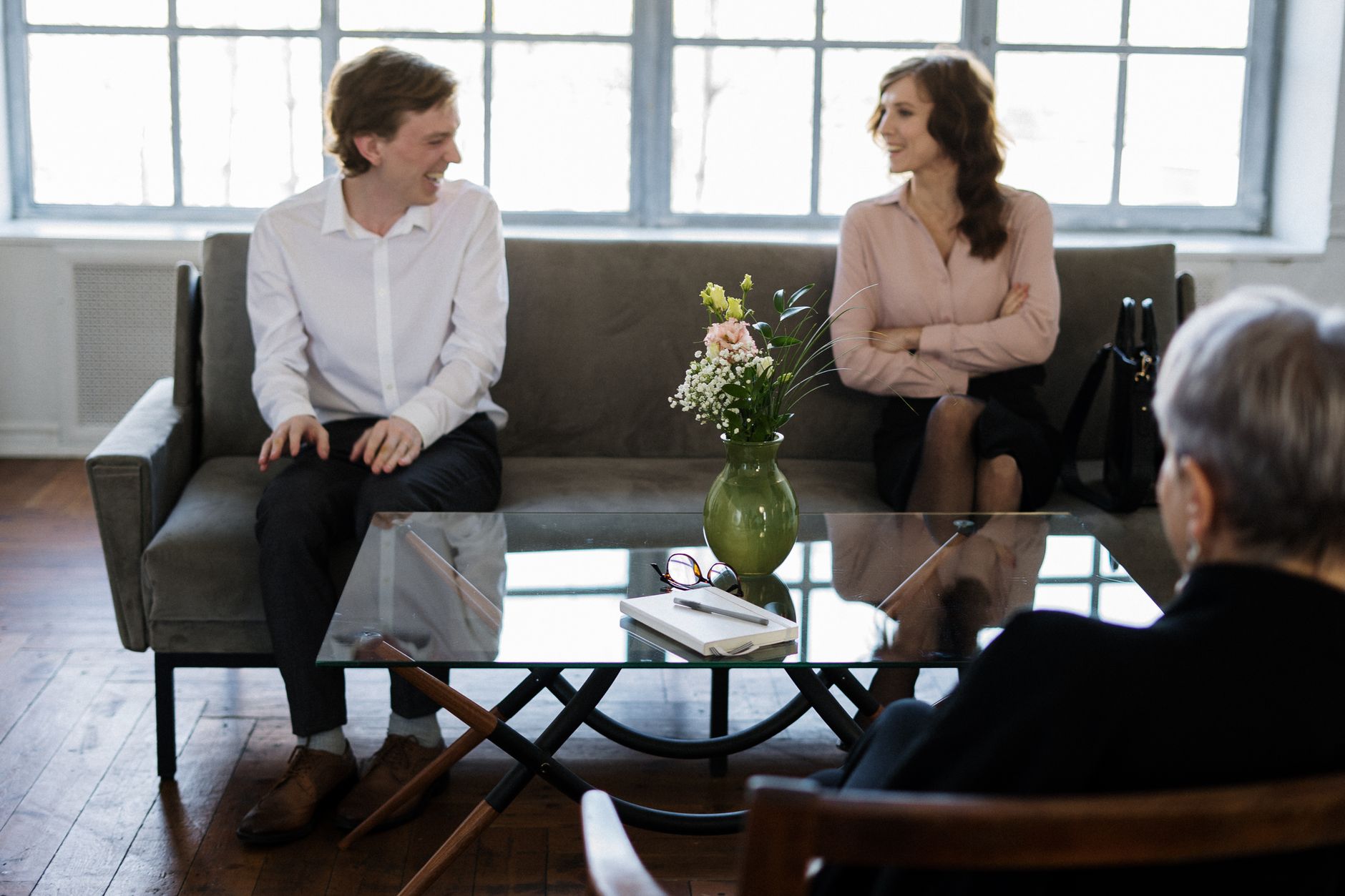
Relationships, at their best, are a source of joy, support, and deep connection. Yet, even in the most loving and stable partnerships, feelings of worry, insecurity, and doubt can sometimes surface. This persistent unease has a name: relationship anxiety. It’s that nagging voice in your head questioning your partner’s feelings, the future of your bond, or your own worthiness within the relationship, even when things seem to be going well on the outside. This isn't about normal butterflies or occasional jitters; it's a more pervasive sense of dread that can impact your well-being and the health of your relationship. Astrid Robertson, a psychotherapist specializing in couples therapy, highlights that relationship anxiety is remarkably common. While some individuals experience it early on, perhaps before they are sure of their partner’s reciprocated interest, these feelings can also arise in long-term, committed relationships. The challenge is that while the anxiety might not stem from direct issues within the relationship, it can often lead to behaviors that create genuine problems and distress for both partners. Imagine this scenario: Priya and Rohan have been together for two years. Rohan is consistently thoughtful, remembers important dates, and always makes time for Priya. Yet, Priya finds herself frequently checking Rohan’s phone when he’s not around, re-reading old messages to find any hint of doubt, and feeling a pang of panic if he doesn’t reply to her text within an hour. She loves Rohan deeply and knows he loves her, but this constant undercurrent of anxiety makes her feel exhausted and sometimes leads to unnecessary arguments. Recognizing the Signs of Relationship Anxiety It’s natural to feel a little insecure at times, especially when a relationship is new. Doubts or fears that don't significantly disrupt your life or your connection are usually not a cause for major concern. However, when these anxious thoughts begin to dominate your thinking and influence your daily life, it's time to pay closer attention. Relationship anxiety can manifest in several ways: Persistent Doubts About Your Partner’s Feelings A core hallmark of relationship anxiety is the persistent questioning of your partner’s affection and commitment. You might find yourself wondering: “Do they truly care about me?” “Would they miss me if I were gone?” “Are they only with me because of what I offer?” “If I faced a serious problem, would they really be there for me?” These questions tap into a fundamental human need for connection, belonging, and security within a partnership. Even with clear evidence of love and support, these doubts can linger, creating a sense of unease. Questioning Your Partner’s Love Despite Evidence You’ve heard “I love you,” received thoughtful gestures like surprise lunches, or had your partner go out of their way to see you. Yet, a nagging thought persists: “They don’t *really* love me.” This doubt might be fueled by perceived slights, such as a delayed text response or moments of perceived distance. While everyone experiences these moments occasionally, for someone with relationship anxiety, these become fixations that erode trust and peace of mind. Fear of Abandonment A healthy relationship should make you feel cherished, secure, and happy. It’s normal to want to protect those feelings. However, relationship anxiety can transform this desire into a pervasive fear that your partner will leave you. This anxiety can become so intense that you start altering your own behavior to try and ensure their continued affection. This might involve: Avoiding important conversations about your needs or concerns (like their frequent lateness). Hesitating to express your true feelings for fear of upsetting your partner. Constantly seeking reassurance about their commitment. Over-apologizing or taking blame to prevent conflict. Overthinking and Constant Reassurance Seeking Individuals experiencing relationship anxiety often find themselves caught in a cycle of overthinking. Every ambiguous comment, every moment of silence, every interaction is dissected for hidden meanings or potential threats to the relationship. This can lead to a constant need for reassurance from the partner, which, while temporarily soothing, doesn't address the underlying anxiety and can become draining for both individuals. Physical Symptoms of Anxiety The mind-body connection is powerful. Chronic anxiety, including relationship anxiety, can manifest in physical symptoms. These might include: Stomach upset, nausea, or digestive issues Headaches Muscle tension Fatigue Sleep disturbances These physical concerns can further exacerbate feelings of distress and worry. Understanding the Roots of Relationship Anxiety Relationship anxiety doesn't appear out of thin air. It often stems from a combination of factors: Past Experiences Previous difficult relationships, especially those marked by betrayal, abandonment, or instability, can leave lasting emotional scars. These past hurts can make it challenging to trust fully in a new, healthy relationship, leading to persistent anxiety. Attachment Styles Our early life experiences shape our attachment styles, which influence how we relate to others in adulthood. Anxious-preoccupied attachment, for example, is characterized by a strong desire for closeness but also a fear of being unloved or abandoned, making individuals more prone to relationship anxiety. Low Self-Esteem When self-esteem is low, individuals may struggle to believe they are worthy of love and commitment. This internal belief system can fuel external anxieties about their partner’s true feelings and intentions. Mental Health Conditions Relationship anxiety can sometimes be a symptom or manifestation of broader mental health conditions like generalized anxiety disorder (GAD), obsessive-compulsive disorder (OCD), or depression. These conditions can amplify worries and insecurities across various aspects of life, including relationships. External Stressors Significant life stressors, such as job loss, financial difficulties, or family issues, can spill over into a relationship, increasing general anxiety levels and making individuals more susceptible to relationship-specific worries. Strategies for Managing Relationship Anxiety The good news is that relationship anxiety is manageable. Taking proactive steps can help you regain peace of mind and build a more secure, fulfilling relationship. A study from 2017 suggests that even a single educational session focused on relationship anxiety can be beneficial for couples. Open and Honest Communication Talk to your partner about your feelings. Expressing your anxieties, without placing blame, can be incredibly liberating. Use “I” statements, such as “I feel worried when…” rather than “You always make me feel…” Your partner may not be aware of the extent of your distress, and open communication can help them understand and support you better. Challenge Anxious Thoughts When an anxious thought arises, pause and question it. Is there concrete evidence to support this fear? Or is it based on past experiences or assumptions? Practicing mindfulness and cognitive reframing can help you identify and challenge these unhelpful thought patterns. For example, if you worry your partner doesn’t love you because they didn’t text back immediately, remind yourself of all the times they have shown you love and acted consistently. Build Self-Esteem Work on strengthening your sense of self-worth independently of the relationship. Engage in activities you enjoy, pursue personal goals, and practice self-compassion. When you feel good about yourself, you are less likely to rely solely on your partner for validation. Practice Mindfulness and Self-Soothing Techniques Mindfulness involves staying present in the moment, which can help reduce rumination on past hurts or future fears. Techniques like deep breathing exercises, meditation, or grounding exercises can help calm your nervous system when anxiety strikes. Set Healthy Boundaries Establishing and maintaining healthy boundaries is essential. This means knowing your limits, communicating them clearly, and ensuring that your needs are met within the relationship. It also involves respecting your partner’s boundaries. Seek Professional Support If relationship anxiety is significantly impacting your life and relationship, seeking professional help is a wise step. A therapist can help you understand the root causes of your anxiety, develop coping strategies, and improve communication with your partner. Couples therapy can provide a safe space for both partners to work through these issues together. Services that offer therapy sessions online can be a convenient way to engage in this process, allowing you to explore your relationship dynamics in a new light. When to Consult a Doctor or Therapist It’s time to seek professional help if your relationship anxiety is: Causing significant distress and impacting your daily functioning. Leading to frequent arguments or conflict in your relationship. Resulting in physical symptoms of anxiety. Making it difficult to trust your partner or feel secure. Persisting despite your best efforts to manage it on your own. A doctor can rule out any underlying medical conditions contributing to anxiety symptoms. A therapist or counselor can provide specialized support and guidance tailored to your specific situation. Frequently Asked Questions About Relationship Anxiety Can relationship anxiety be cured? While relationship anxiety may not have a simple “cure” in the traditional sense, it is highly manageable. Through therapy, self-awareness, and developing effective coping strategies, individuals can significantly reduce the intensity and frequency of their anxious thoughts and feelings, leading to more secure and fulfilling relationships. How does relationship anxiety differ from normal relationship doubts? Normal relationship doubts are typically fleeting, situational, and don’t cause significant distress or lead to problematic behaviors. Relationship anxiety, on the other hand, is persistent, pervasive, and often disproportionate to the actual
In summary, timely diagnosis, evidence-based treatment, and prevention-focused care improve long-term health outcomes.
Visit Hospital
Near You
Discover effective stroke rehabilitation in Alipurduar. Learn about therapies, recovery strategies, and finding the right care for regaining independence.
May 20, 2026
Discover how to find a top obstetrician in Madhyamgram. Learn key factors and what to look for in maternal care.
May 20, 2026
Find top diabetes clinics in Purba Medinipur. Get expert endocrinologists, advanced treatments, and comprehensive diabetes management.
May 20, 2026