24/7 Emergency & General Advisory
🚨 24/7 Medical Emergency
Non-Emergency Advisory
10:00 AM – 6:00 PM, Mon–Sat
For appointments & general queries.
Join our healthcare community
Stay updated with our latest healthcare news and your appointments.
Common questions about Health Today articles on DOCTAR
Search in Health Today
Find articles by topic, doctor name, or keyword.
Showing 12 articles

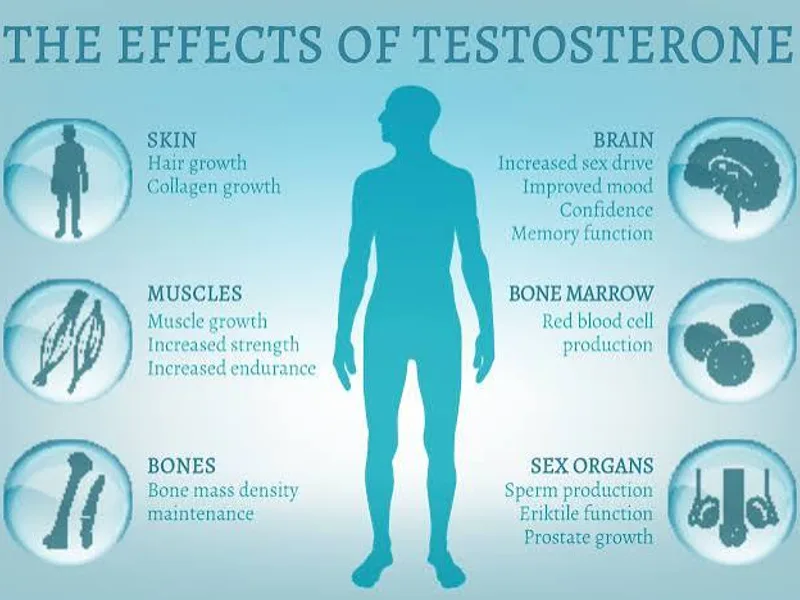
Testosterone plays an important role in muscle development, strength and body composition, but it is not the only factor that determines how much muscle a man builds. Low testosterone can contribute to reduced lean mass, while restoring testosterone in men with confirmed deficiency may increase lean

Men need estrogen too. Although testosterone is the main sex hormone associated with male reproductive health, a small amount of testosterone is converted into estradiol, the strongest form of estrogen, through an enzyme called aromatase.

Testosterone-boosting supplements are heavily marketed to men who want more energy, muscle, libido or sexual performance. But most products do not have strong evidence showing that they meaningfully raise testosterone.

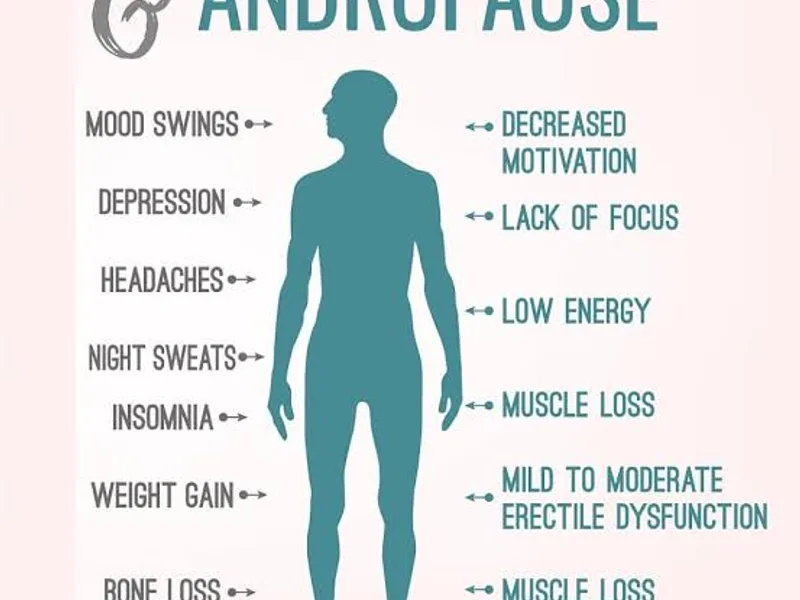
Testosterone levels generally decline as men get older, but the change is gradual and does not affect every man in the same way. The term “andropause” is often used to describe age-related testosterone decline, although it can give the misleading impression that ageing automatically causes a hormone

Testosterone replacement therapy (TRT) can improve symptoms in men who have confirmed testosterone deficiency, but it is not risk-free. Treatment can reduce sperm production, raise red blood cell counts, worsen acne and affect the prostate.

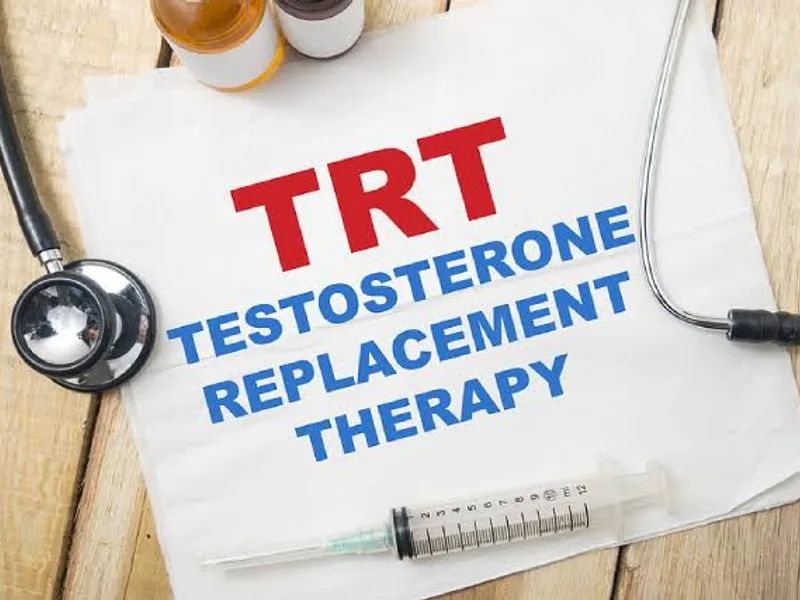
Testosterone replacement therapy (TRT) is a medical treatment for men with confirmed testosterone deficiency and related symptoms. It is not simply a treatment for normal ageing, tiredness or low gym performance.

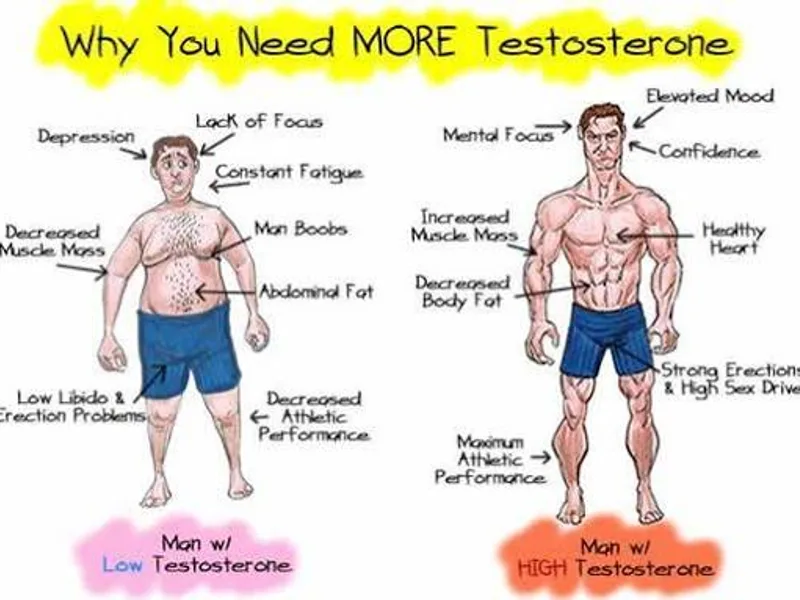
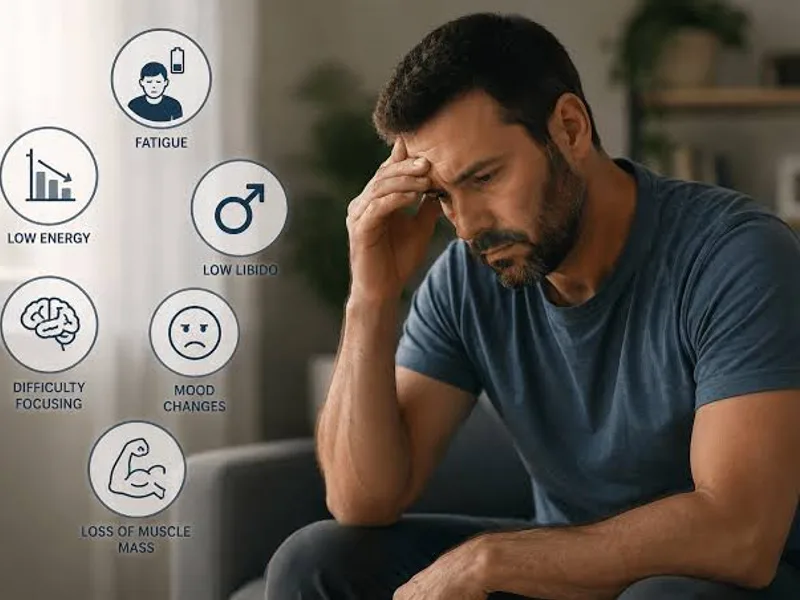
Low testosterone can affect more than sexual health. Men with testosterone deficiency may notice lower sex drive, erection problems, reduced energy, changes in mood, loss of muscle mass or fertility problems.

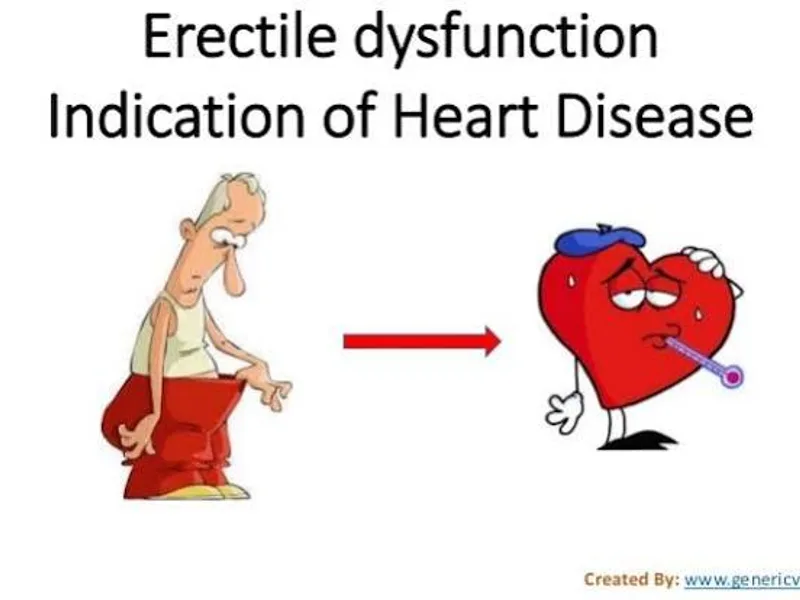
Erectile dysfunction is not always just a sexual problem. Because erections depend on healthy blood vessels and adequate blood flow, persistent ED can sometimes be an early sign of vascular disease and may share risk factors with heart disease.

“Porn-induced erectile dysfunction” is widely discussed online, particularly among younger men, but the medical evidence is more complicated than the label suggests. Research has not established that simply watching pornography directly causes erectile dysfunction.

Low libido means having less interest in sex than is usual for you. It can happen temporarily during periods of stress, poor sleep or relationship difficulties, but persistent low sexual desire may also be linked to low testosterone, depression, certain medicines, diabetes or other health problems.

Delayed ejaculation can be frustrating, especially when a man wants to reach orgasm but repeatedly cannot or needs a very long time. The problem can be linked to medicines, anxiety, relationship factors, sexual habits, nerve or hormonal problems, or other health conditions.

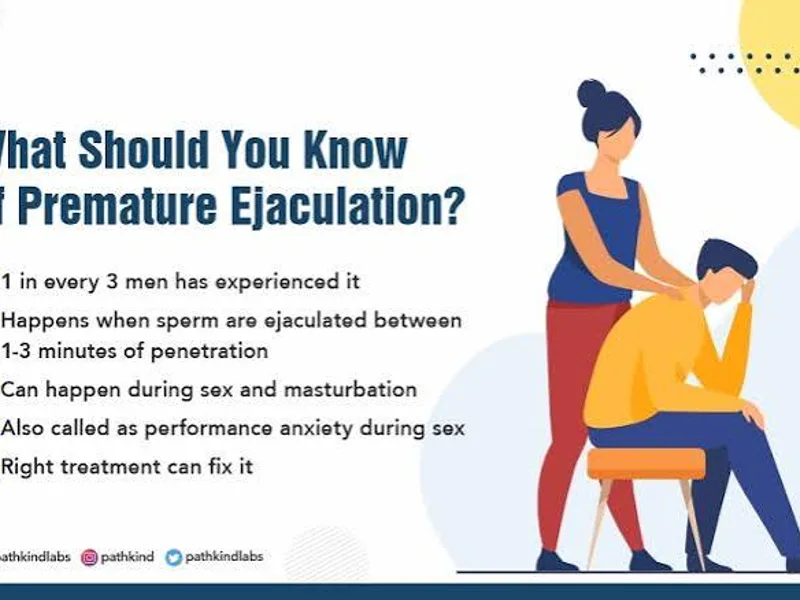
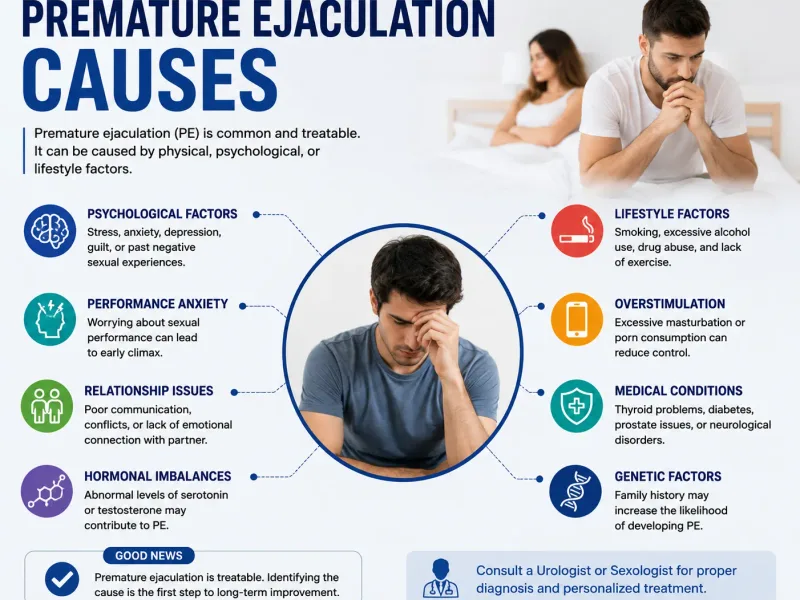
Premature ejaculation is not simply about “lasting too little.” The condition can involve reduced control over ejaculation, distress and repeated difficulty during sexual activity. Causes can be psychological, physical, relationship-related, or a combination of several factors.